- The Misnomer of ‘Bullet Proof Glass’: Establishing Accurate Terminology in Ballistic Resistance
- Decoding Traditional Ballistic Materials: An In-Depth Analysis of Legacy Solutions
- Laminated Glass: Structure, Strengths, and Inherent Limitations
- Acrylic and Monolithic Polycarbonate: Exploring Alternative Traditional Formulations
- The Manufacturing Process: Key Characteristics and Material Properties of Conventional Ballistic Glazing
- Inherent Performance Traits: How Traditional Layers Resist Ballistic Impact and Associated Challenges
- The Architect’s Dilemma: Navigating the Architectural and Practical Challenges of Legacy Security Glazing
- Weight and Structural Implications: The Burden of Traditional Ballistic Resistant Glass on Existing Designs
- Aesthetic Compromises: When Security Solutions Overshadow Architectural Vision
- Installation Complexity and Project Disruption: Assessing the Hidden Costs of Conventional Upgrades
- Long-Term Maintenance and Degradation Factors Affecting Traditional Security Glazing Solutions
- The Engineered Evolution: Introducing Advanced Retrofit Security Glazing Systems
- Redefining Protection: The Core Philosophy and Advantages of Retrofit Solutions
- Patented Technology: Unpacking the Unique Engineering Behind Modern Security Systems
- Understanding the Component Layers: Polycarbonate Films, Advanced Adhesives, and Integration Methods
- The Integration Advantage: How Retrofit Systems Transform and Enhance Existing Architectural Glazing
- The Benchmark of Protection: Understanding Ballistic Performance and UL 752 Standards
- UL 752 Explained: A Comprehensive Guide to Ballistic Resistance Ratings and Levels
- Beyond the Bullet: Assessing Spall Mitigation, Forced Entry Resistance, and Multi-Threat Capabilities
- Performance Comparison: Traditional Glazing vs. Advanced Retrofit Systems Under UL 752 Protocols
- Testing Methodologies and Real-World Application of Ballistic Ratings in Security Glazing
- Seamless Security: Preserving Architectural Integrity with Virtually Invisible Retrofit Solutions
- Design Harmony: Eliminating the Compromise Between Aesthetics and Robust Safety
- The ‘Invisible’ Advantage: How Retrofit Systems Maintain Original Architectural Vision and Building Character
- Non-Invasive Installation: Minimizing Disruption for Occupied Buildings and Historical Structures
- Enhancing Building Envelopes: Expanding Beyond Ballistics to Overall Security and Performance Improvements
- Strategic Specification: Key Criteria for Advanced Security Glazing Projects
- Conducting a Comprehensive Threat Assessment: Defining Your Building’s Specific Security Needs
- Evaluating Existing Building Structures and Glazing Systems for Retrofit Suitability
- Lifecycle Costs: Moving Beyond Initial Investment to Assess Long-Term Value and ROI
- Partnering for Expertise: Choosing the Right Security Glazing Specialist for Comprehensive Solutions
- Conclusion: Elevating Security Without Compromising Vision
- Frequently Asked Questions
The Misnomer of ‘Bulletproof Glass’: Establishing Accurate Terminology in Ballistic Resistance
Demystifying “Bulletproof”: Why Precision Matters in Security Glazing
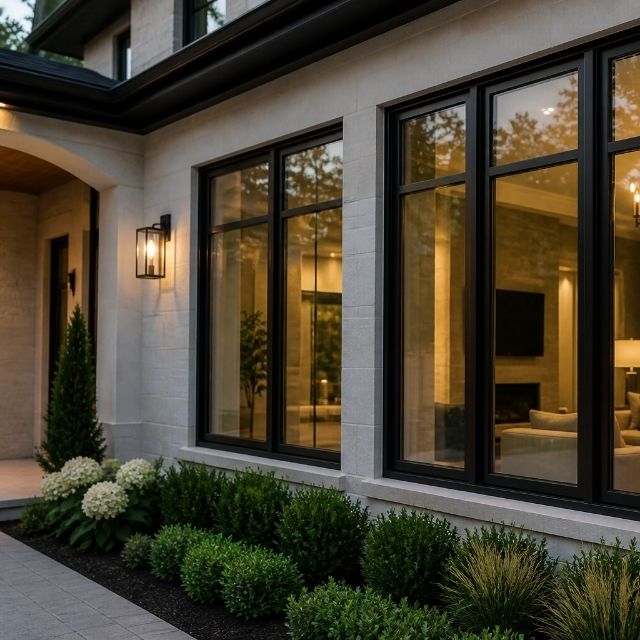
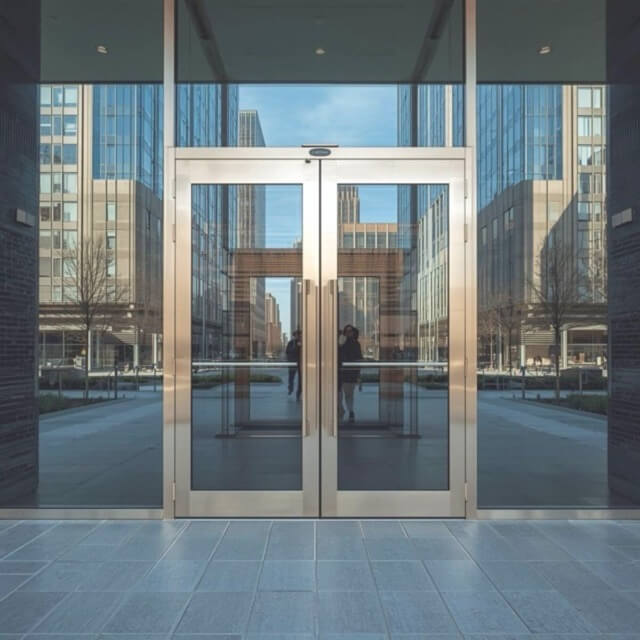
Polycarbonate bulletproof glass material is a high-performance security glazing component designed to absorb and disperse impact energy, making it a core element in modern ballistic-resistant window systems.
The ubiquitous term “bulletproof glass material” is a pervasive misnomer that often leads to misunderstandings regarding the true capabilities of security glazing. In the realm of advanced threat mitigation, precision in terminology is paramount. No material is truly “proof” against all ballistic threats. Materials offer varying degrees of “resistance.” Adopting the correct terminology, such as ballistic-resistant glass or security glazing solutions, is essential for accurate specification, managing expectations, and ensuring that implemented solutions genuinely align with security objectives. This precise language allows architects and building owners to navigate complex security requirements with a clear understanding of performance limitations and capabilities, moving beyond anecdotal assurances to evidence-based protection.
Introducing Ballistic Resistance: A Graded Approach to Protection
Ballistic resistance is not an absolute state but a carefully engineered spectrum of protection. Unlike the generic implication of “bulletproof,” effective security solutions are designed to withstand specific ballistic impacts under defined conditions. This graded approach acknowledges that different threat scenarios demand tailored responses, ranging from resistance against handgun rounds to sophisticated rifle ammunition. Understanding this nuanced spectrum is fundamental to specifying security glazing that is both effective and appropriately scaled for a given vulnerability.
Understanding Threat Levels: Categorizing Risks for Effective Mitigation
To precisely grade ballistic resistance, industry standards categorize threats into distinct levels, each correlating to specific projectile types, velocities, and impact energy. These classifications enable a scientific approach to security design, moving beyond generalized fears to address quantifiable risks. For instance, a solution designed for handgun resistance will differ significantly in composition and thickness from one engineered to defeat high-velocity rifle rounds. By accurately categorizing potential threat level scenarios, security professionals and architects can specify materials and systems that offer optimal protection without over-engineering or compromising architectural integrity. This methodical categorization ensures resources are allocated effectively, delivering proportionate security measures for each unique environment.
The Indispensable Role of Certification: Setting Industry Benchmarks with UL 752
In North America, Underwriters Laboratories (UL) Standard 752 stands as the definitive benchmark for evaluating and certifying the ballistic resistance of security glazing. This rigorous standard outlines comprehensive testing protocols that subject materials to specific types of ammunition at controlled velocities and distances, assessing their ability to prevent penetration and mitigate spall. UL 752 certification is not merely a label. It represents an objective, third-party verified assurance of a product’s performance under defined ballistic attack scenarios. For architects and building owners, specifying UL 752-compliant materials offers invaluable confidence, ensuring that security glazing solutions meet verifiable industry standards and perform as expected when confronting genuine threats. It removes ambiguity and establishes a common language for ballistic performance, validating UL 752 ratings.
Decoding Traditional Ballistic Materials: An In-Depth Analysis of Legacy Solutions
Laminated Glass: Structure, Strengths, and Inherent Limitations
Traditional ballistic-resistant glass, specifically laminated glass, typically consists of multiple layers of glass bonded together with interlayers, most commonly polyvinyl butyral (PVB) or SentryGlas. This composite structure is engineered to absorb and dissipate the kinetic energy of a projectile. The glass layers fracture to take the initial impact, and the interlayers flex to hold fragments and prevent penetration.
Key attributes of laminated glass include:
- Fragment Retention: The interlayers excel at holding shattered glass in place, minimizing spall and maintaining the integrity of the opening.
- Optical Clarity: High-quality laminated glass offers excellent light transmission and minimal distortion.
The inherent limitations of laminated glass, particularly at higher threat levels, present significant architectural and logistical challenges:
- Excessive Weight: Achieving higher ballistic ratings necessitates numerous thick glass plies, resulting in extremely heavy units that demand substantial framing and structural considerations.
- Prohibitive Thickness: Multi-ply laminates can be excessively thick, often several inches, which significantly impacts aesthetic sightlines and requires deep framing systems that detract from original architectural designs.
- Installation Complexity: The sheer weight and bulk of these units make installation a labor-intensive and costly endeavor, frequently requiring specialized equipment and extensive on-site disruption.
- Full Window Replacement: Implementing traditional laminated ballistic-resistant glass invariably requires the complete removal and replacement of existing window systems, an expensive, time-consuming, and aesthetically compromising undertaking.
Acrylic and Monolithic Polycarbonate: Exploring Alternative Traditional Formulations
Beyond laminated glass, other traditional materials like acrylic and monolithic polycarbonate have also been employed in ballistic applications, often selected for their distinct properties.
- Acrylic: This rigid plastic offers good optical clarity and is lighter than glass. Its lower impact resistance compared to polycarbonate, susceptibility to scratching, and tendency to yellow over time limit its use primarily to lower-level ballistic threats or in multi-ply systems with other materials.
- Monolithic Polycarbonate: Known for its exceptional impact strength and inherent ductility, monolithic polycarbonate is significantly lighter than glass for comparable ballistic resistance. It excels at absorbing extreme amounts of energy through deformation rather than shattering. These advantages come with challenges. It has a softer surface prone to scratching, a higher coefficient of thermal expansion, and potential for UV-induced yellowing or hazing without specialized coatings. In thicker applications, optical distortion can also become a concern.
These materials, while offering distinct benefits, still necessitate careful consideration of their aesthetic, maintenance, and long-term performance characteristics when evaluating comprehensive security glazing solutions.
The Manufacturing Process: Key Characteristics and Material Properties of Conventional Ballistic Glazing
The manufacturing processes for conventional ballistic glazing are critical determinants of their final material properties and performance. For laminated glass, the precise layering of glass with polymer interlayers, typically under heat and pressure in a cleanroom autoclave, ensures optimal adhesion and clarity. This process creates a composite designed for controlled fragmentation and energy absorption. Acrylic and polycarbonate, conversely, are manufactured through extrusion or casting, yielding monolithic sheets with inherent toughness.
Regardless of the material, a common characteristic emerges when attempting to achieve higher levels of ballistic resistance: an increase in material thickness and density. This direct correlation between protection level and physical bulk is a fundamental property of traditional ballistic glazing. The resulting substantial thickness and considerable weight are direct consequences of the material science governing how these legacy solutions resist ballistic impact, leading to a host of architectural and logistical challenges.
Inherent Performance Traits: How Traditional Layers Resist Ballistic Impact and Associated Challenges
Traditional ballistic-resistant materials operate on fundamental principles of kinetic energy dissipation. Laminated glass, through its multiple layers of rigid glass and yielding interlayers, works by shattering the initial glass plies to absorb impact energy, while subsequent layers and the flexible interlayers deform and stretch to prevent projectile penetration. Polycarbonate, on the other hand, resists impact through its intrinsic toughness and ductility, allowing it to deform significantly and spread the impact energy over a larger area without fracturing.
These inherent performance traits come with significant practical challenges:
- Unacceptable Thickness and Weight: To achieve robust ballistic ratings (e.g., UL 752 Level 3 and above), traditional glass laminates become exceedingly thick and heavy. This bulk often compromises architectural sightlines, necessitates costly structural modifications to support the additional load, and can make the window appear cumbersome and out of place.
- Disruptive Installation: The considerable weight and rigid nature of these units complicate installation, requiring specialized lifting equipment and extended project timelines, leading to significant disruption to building occupants and operations.
- Mandatory Full Replacement: The integration of traditional ballistic glazing almost universally demands the complete removal of existing windows and frames. This not only incurs substantial material and labor costs but also fundamentally alters the original architectural envelope, a primary concern for architects like Alex Chen who strive to preserve design integrity.
- Aesthetic Compromise: The requirement for thicker frames and the often-noticeable depth of the glass itself can detract from a building’s aesthetic, making the security solution overtly visible and undermining the architect’s vision for a seamless and inviting environment. This forces a direct trade-off between perceived security and design excellence.
The Architect’s Dilemma: Navigating the Architectural and Practical Challenges of Legacy Security Glazing
Traditional ballistic-resistant glass, often generically termed “bulletproof glass material,” represents a significant engineering achievement in its original context. Its application in contemporary architecture, particularly within existing structures, introduces a distinct set of challenges that architects and building owners must meticulously evaluate. These challenges often force a difficult compromise between desired security levels and fundamental architectural principles.
Weight and Structural Implications: The Burden of Traditional Ballistic Resistant Glass on Existing Designs
The primary limitation of conventional ballistic-resistant glass is its sheer mass. Achieving a certified ballistic resistance level typically necessitates multiple layers of glass and interlayers, resulting in a substantial increase in panel thickness and, consequently, weight. This added burden places considerable stress on existing window frames and the surrounding building structure. Architects must then contend with:
- Frame Reinforcement: Original window frames, designed for standard glazing, are rarely capable of supporting the multi-hundred-pound loads of ballistic panels. This often requires costly and extensive frame replacement or reinforcement, adding complexity and expense to the project.
- Structural Load Analysis: The building’s structural integrity must be re-evaluated to ensure it can bear the redistributed weight. This can trigger additional engineering assessments, potentially leading to the need for structural modifications to the building’s façade or foundation.
- Logistical Hurdles: The immense weight of individual panels complicates transportation, handling, and installation, often requiring specialized equipment and larger crews, further increasing project timelines and costs.
Aesthetic Compromises: When Security Solutions Overshadow Architectural Vision
For architects, the visual impact of any building component is paramount. Traditional ballistic-resistant glass frequently presents an unavoidable aesthetic compromise that can detract from the original design intent. Its inherent properties introduce several visual distortions:
- Increased Thickness and Frame Visibility: The pronounced thickness of these panels often necessitates larger, more obtrusive framing systems, altering sightlines and disrupting the delicate balance of the façade.
- Reduced Light Transmission and Optical Clarity: Multi-layered constructions inherently reduce visible light transmission, potentially dimming interior spaces. Some conventional interlayers can exhibit a slight green or yellow tint, subtly altering the perceived color of natural light and external views.
- Visual Distortion: Due to variations in manufacturing or installation, optical distortion can occur, leading to a wavy or imperfect reflection. This is particularly noticeable on larger glazed surfaces and can undermine the building’s aesthetic precision.
These factors directly challenge the principal architect’s desire for security solutions that integrate seamlessly without compromising the building’s design aesthetic.
Installation Complexity and Project Disruption: Assessing the Hidden Costs of Conventional Upgrades
The installation of traditional ballistic-resistant glass is far from a simple glazing swap. It is an intensive process that can significantly disrupt building operations and inflate project budgets beyond the material cost.
- Full Window Replacement: Rather than an upgrade, it is often a complete replacement of existing window systems. This involves removing old frames, preparing openings, and installing new, heavier frames designed for ballistic loads.
- Extended Project Timelines: The complexity of structural assessments, custom fabrication of thick panels, and specialized installation procedures extends project durations, leading to prolonged operational downtime for the building.
- High Labor and Equipment Costs: Specialized installation teams, heavy lifting equipment, and extended on-site hours contribute substantially to the overall project cost. These are often unforeseen “hidden costs” that only emerge during project planning.
Long-Term Maintenance and Degradation Factors Affecting Traditional Security Glazing Solutions
Even after the arduous installation, traditional ballistic-resistant glass is not immune to long-term degradation. This can further impact both its performance and appearance.
- Delamination: Over time, the interlayers between glass panes can delaminate, causing milky patches, bubbles, or a hazy appearance. This not only impairs optical clarity but can also compromise the ballistic integrity of the panel.
- Discoloration: Exposure to UV radiation and environmental factors can cause some interlayer materials to yellow or brown, permanently altering the aesthetic and light transmission properties of the glass.
- Reduced Clarity: Surface scratching from cleaning or environmental abrasion can accumulate, gradually reducing the transparency and pristine finish of the glass, diminishing the architectural impact.
These degradation factors often necessitate premature replacement, incurring further costs and disruptions, making the long-term value proposition questionable for many existing structures.
The Engineered Evolution: Introducing Advanced Retrofit Security Glazing Systems
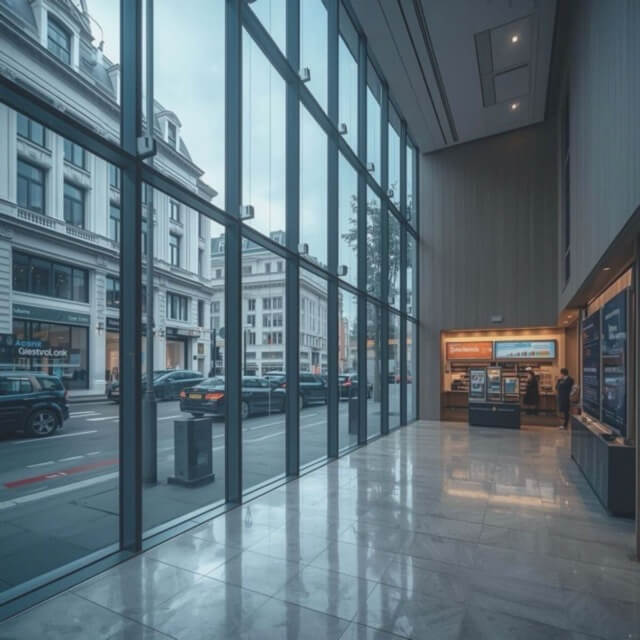
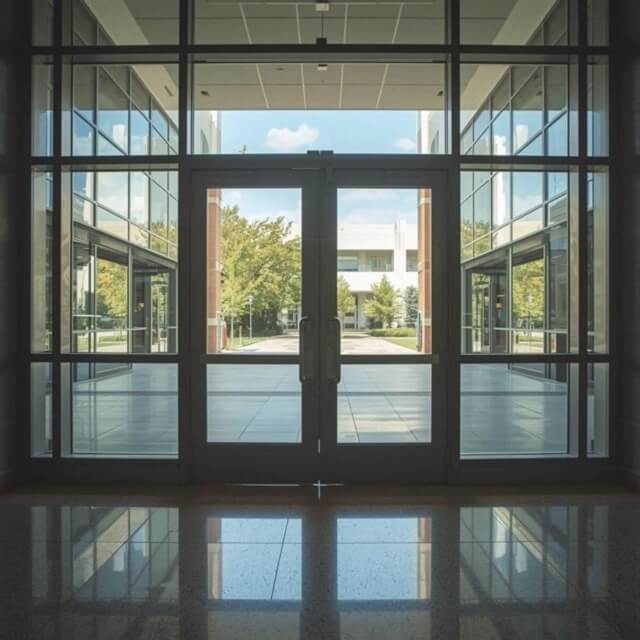
Recognizing the inherent limitations and architectural compromises of legacy ballistic glazing, engineering advancements have led to the development of sophisticated retrofit security glazing systems. These modern solutions represent a paradigm shift, providing robust protection without demanding the wholesale architectural and structural sacrifices previously required.
Redefining Protection: The Core Philosophy and Advantages of Retrofit Solutions
The core philosophy behind advanced retrofit security glazing systems is to enhance existing architectural glazing to withstand ballistic threats without altering its fundamental appearance or requiring extensive structural modifications. This approach redefines protection by prioritizing integration and efficiency.
Key advantages include:
- Non-Invasive Upgrade: These systems are applied directly to existing windows and doors, eliminating the need for full-frame or sash replacement.
- Preservation of Aesthetics: They are engineered to be virtually invisible, maintaining the building’s original design integrity, window profiles, and external façade.
- Cost-Effectiveness: By leveraging existing infrastructure, retrofit security solutions significantly reduce material, labor, and disruption costs compared to traditional replacements.
- Rapid Deployment: Installation is typically much faster, minimizing operational downtime and ensuring a quicker return to normal building function.
Patented Technology: Unpacking the Unique Engineering Behind Modern Security Systems
Modern retrofit security glazing is not merely a film application. It is the result of extensive research and development, culminating in patented technologies that provide certified ballistic resistance. These systems are precisely engineered to manage and dissipate impact energy. For instance, BulletShield, a leading patented system by Impact Security LLC, leverages a multi-faceted approach to threat mitigation.
This engineering prowess involves:
- Material Science Innovation: Development of advanced polymers and composites that exhibit exceptional tensile strength, elasticity, and energy absorption capabilities, far exceeding those of conventional materials.
- Proprietary Bonding Methods: The secure adhesion of these materials to existing glass is critical. Patented adhesive technologies ensure a permanent, high-strength bond that maintains structural integrity under extreme stress, preventing glass shards from separating or projecting inward.
- System Integration: The entire system, film, adhesive, and integration frame, is designed to work synergistically, turning the existing glass into a dynamic component of the ballistic barrier, rather than simply covering it.
Understanding the Component Layers: Polycarbonate Films, Advanced Adhesives, and Integration Methods
The efficacy of advanced retrofit systems stems from their carefully engineered component layers, each playing a critical role in ballistic mitigation.
- Polycarbonate Films: These specialized, multi-layered films, unlike standard security film, are composed of high-strength polycarbonate. They are designed to absorb and dissipate the kinetic energy of projectiles, preventing penetration and spall. Their flexibility and durability are key to their ballistic performance.
- Advanced Adhesives: A crucial element is the structural-grade, optically clear adhesive system. This proprietary adhesive forms an unbreakable bond between the polycarbonate film and the existing glass, ensuring that even if the glass shatters, it remains securely adhered to the film, containing dangerous fragments. This adhesion is critical for maintaining the overall ballistic integrity of the system.
- Integration Methods: The edge integration is paramount. Specialized framing and anchoring systems securely ‘lock’ the ballistic film to the window frame, distributing impact forces across a wider area and preventing the entire system from being dislodged. This robust perimeter attachment is essential for resisting repeated impacts and ensuring the complete protection of the opening, even for curtain wall systems.
The Integration Advantage: How Retrofit Systems Transform and Enhance Existing Architectural Glazing
The true power of advanced retrofit security glazing lies in its ability to integrate seamlessly, transforming standard architectural glazing into a robust, certified ballistic barrier without compromising its original aesthetic or functional intent. This “integration advantage” directly addresses the core concerns of architects and building owners.
- Invisible Protection: Once installed, the optically clear film and discreet perimeter attachment are virtually undetectable. This ensures that the building’s original façade, window design, and natural light transmission are preserved, fulfilling the critical requirement for security solutions that do not overshadow architectural vision.
- Leveraging Existing Assets: Rather than replacing expensive glass and frames, retrofit systems enhance them. This approach is sustainable, cost-effective, and dramatically reduces construction waste.
- Enhanced Performance Envelope: Beyond ballistic resistance, these systems can also contribute to enhanced forced entry resistance, blast mitigation, and even improved thermal performance, adding multiple layers of benefit to the existing glazing envelope.
- Architectural Freedom: By providing superior protection without the bulk, weight, or aesthetic compromises of traditional solutions, retrofit systems offer architects greater freedom in design specification, allowing them to prioritize both security and visual integrity equally.
The Benchmark of Protection: Understanding Ballistic Performance and UL 752 Standards
Effective threat mitigation begins with a clear, standardized understanding of protection levels. When evaluating ballistic security glazing solutions, architects and building owners must move beyond generic claims and instead rely on verifiable industry benchmarks. The Underwriters Laboratories (UL) 752 Standard for Bullet-Resisting Equipment serves as the preeminent framework for assessing a material’s capacity to withstand ballistic impact, providing a crucial, objective measure of performance, and validating UL 752 ratings.
UL 752 Explained: A Comprehensive Guide to Ballistic Resistance Ratings and Levels
UL 752 is the definitive standard governing the performance of bullet-resisting materials and systems. It outlines stringent testing protocols to classify security glazing and other components based on their ability to defeat specific ballistic threats. These classifications are critical for ensuring that specified solutions provide adequate protection against identified risks.
The standard establishes eight distinct levels of ballistic resistance, each corresponding to a different threat profile:
- Level 1: Resists three shots from a 9mm handgun.
- Level 2: Resists three shots from a .357 magnum handgun.
- Level 3: Resists three shots from a .44 magnum handgun, a common threat for high-value targets.
- Level 4: Resists one shot from a .30-06 caliber rifle.
- Level 5: Resists one shot from a 7.62mm rifle.
- Level 6: Resists five shots from a 9mm submachine gun.
- Level 7: Resists five shots from a 5.56mm rifle (AR-15 type).
- Level 8: Resists one shot from a .50 caliber rifle, representing a high-level military or extreme threat.
Each level specifies not only the type of firearm and ammunition but also the number of impacts, shot pattern, and distance from which the shots are fired. This comprehensive methodology ensures that a UL 752 rating is a robust and repeatable indicator of a product’s real-world ballistic resilience.
Beyond the Bullet: Assessing Spall Mitigation, Forced Entry Resistance, and Multi-Threat Capabilities
While stopping a projectile is fundamental, true ballistic security extends beyond merely preventing penetration. A critical consideration for occupant safety is spall mitigation. Spall refers to fragments of material, typically from the protected side of the glazing, that can dislodge upon ballistic impact and cause severe injury, even if the projectile itself does not penetrate. Advanced security glazing systems are engineered to contain spall, ensuring that internal occupants are protected from both direct ballistic threats and secondary hazards.
Effective security glazing inherently contributes to forced entry resistance. Even if not primarily designed for extended siege, the robust construction required for ballistic protection significantly delays or deters attempts at manual forced entry using tools like hammers, axes, or pry bars. This added layer of defense provides valuable time for emergency responders to arrive.
Modern threat landscapes often involve a combination of risks. Consequently, leading security glazing solutions offer multi-threat capabilities, integrating resistance to ballistic impacts, forced entry, and even blast overpressure. This holistic approach ensures that a single, advanced system can mitigate a wider spectrum of potential dangers, creating a more resilient building envelope without requiring multiple, disparate upgrades.
Performance Comparison: Traditional Glazing vs. Advanced Retrofit Systems Under UL 752 Protocols
When viewed through the lens of UL 752 protocols, a clear distinction emerges between traditional “bulletproof glass material” and advanced retrofit security systems. Both can achieve certified ballistic ratings, but their methods of achieving these ratings and the architectural implications differ significantly.
Traditional ballistic-resistant glass, often a thick laminate of glass and polycarbonate layers, relies on sheer mass and material thickness to absorb and dissipate ballistic energy. To achieve higher UL 752 levels, these systems become exceptionally heavy and thick, often requiring substantial frame modifications and deep glazing pockets. This inherent bulk frequently compromises aesthetic design and can be structurally challenging to integrate into existing structures.
Advanced retrofit systems, such as patented security glazing film or thin polycarbonate laminates applied to existing glass, achieve comparable or even superior UL 752 ratings with significantly less material. These engineered solutions leverage sophisticated material science and bonding techniques to distribute and absorb impact energy effectively, often transforming standard float glass into a formidable barrier. This technological distinction means that retrofit security systems can meet rigorous ballistic standards without the weight, thickness, or aesthetic drawbacks of their traditional counterparts.
Testing Methodologies and Real-World Application of Ballistic Ratings in Security Glazing
UL 752 testing methodologies are meticulously designed to simulate real-world attack scenarios under controlled laboratory conditions. Testing involves firing specific ammunition types from defined distances into test samples mounted in steel frames. The impact locations are precisely measured, ensuring that a product is not simply “bullet resistant” but resilient across its surface, including critical areas near the frame. The primary criterion for passing is the prevention of complete bullet penetration, often coupled with requirements for spall mitigation.
For architects and building owners, understanding and applying these ballistic ratings in practice involves:
- Threat Assessment: Identifying the most probable ballistic threats a building might face (e.g., handgun versus rifle).
- Specification Matching: Selecting a UL 752-rated system that precisely matches or exceeds the identified threat level.
- System Integration: Ensuring that the chosen glazing system works cohesively with the existing or new framing system to maintain the overall ballistic integrity of the opening.
- Compliance and Assurance: Specifying UL 752 certified products provides verifiable proof of performance, mitigating risk and offering peace of mind that the security solution will perform as intended during a critical incident.
This detailed understanding of UL 752 ensures that security investments are informed by scientific data, moving beyond conjecture to verifiable performance.
Seamless Security: Preserving Architectural Integrity with Virtually Invisible Retrofit Solutions
For architects, the challenge of integrating robust security often conflicts with the imperative to maintain a building’s design aesthetic. Traditional ballistic solutions frequently demand significant architectural compromises, altering sightlines, increasing frame bulk, and detracting from original design intent. Advanced retrofit security glazing systems offer a paradigm shift, enabling superior protection without visible alterations.
Design Harmony: Eliminating the Compromise Between Aesthetics and Robust Safety
The long-standing dilemma for architects like Alex Chen has been the perceived need to choose between uncompromising security and an uncompromised design. Traditional “bulletproof glass material” inherently forces this choice. Its substantial thickness and weight often necessitate heavy-duty framing and visual bulk, fundamentally altering a building’s original fenestration and character. The resulting aesthetic can feel institutional or out of place, especially in structures where elegance or historical accuracy is paramount.
Advanced retrofit security glazing systems decisively eliminate this compromise. By utilizing innovative materials applied directly to existing glass, these solutions integrate seamlessly without imposing the visual penalties associated with full window replacement. This approach allows architects to specify certified ballistic protection that harmonizes with their design vision, preserving the building’s aesthetic integrity while significantly enhancing its safety profile. The result is a secure environment that looks precisely as the architect intended, bridging the gap between robust safety and refined design.
The ‘Invisible’ Advantage: How Retrofit Systems Maintain Original Architectural Vision and Building Character
The true genius of retrofit security glazing lies in its “invisible” advantage. Unlike bulky replacement systems, these solutions are engineered to be virtually undetectable once installed. Typically, a high-strength, multi-layered laminate is applied to the interior surface of existing windows. This strategic placement ensures that the building’s exterior façade, original glass, and frame profiles remain entirely untouched and visually consistent.
- Preservation of Original Glass: The existing glass panes remain in place, retaining their original tint, reflectivity, and historical significance.
- Unaltered Sightlines: No additional thickness or frame modifications disrupt the intended views or light transmission.
- Consistent Exterior Aesthetics: From the exterior, the building appears exactly as designed, with no visible signs of enhanced security.
- Maintained Architectural Detail: Original window frames, mullions, and historic architectural elements are completely preserved, avoiding costly and aesthetically damaging replacements.
This capability is particularly vital for projects where maintaining historical authenticity or a specific brand image is critical. The security is robust, certified, and yet entirely discreet, allowing the building’s character to speak for itself.
Non-Invasive Installation: Minimizing Disruption for Occupied Buildings and Historical Structures
The installation process for advanced retrofit security systems stands in stark contrast to the disruptive nature of traditional window replacement. Full window replacement involves extensive demolition, removal of old frames, and the messy, time-consuming installation of new, heavier units. This typically necessitates evacuating or shutting down sections of a building, causing significant operational downtime, noise, and debris.
Retrofit installations are designed to be minimally invasive:
- Quick and Clean: Technicians work primarily on the interior of the building, applying the security laminate directly to the existing glass.
- Limited Downtime: Most installations can occur with minimal interruption to daily operations, allowing businesses or institutions to remain occupied and functional.
- Reduced Labor and Cost: Without the need for extensive structural modifications or heavy equipment, installation costs and timelines are significantly reduced.
- Ideal for Sensitive Environments: This non-invasive approach is especially beneficial for historical buildings, where preserving original fabric is paramount, and for high-security facilities that cannot afford prolonged operational disruptions.
The efficiency and discretion of retrofit installation translate directly into tangible benefits for project schedules, budgets, and occupant convenience.
Enhancing Building Envelopes: Expanding Beyond Ballistics to Overall Security and Performance Improvements
The benefits of advanced retrofit security glazing extend far beyond ballistic resistance, offering a comprehensive enhancement to the entire building envelope. By reinforcing existing windows, these systems contribute to a multi-layered security strategy that addresses various threats.
In addition to certified ballistic protection, these integrated systems typically provide:
- Superior Forced Entry Resistance: The same robust materials and bonding agents that defeat ballistic threats also create a formidable barrier against manual forced entry, significantly delaying or deterring intruders.
- Blast Mitigation Capabilities: Many advanced retrofit solutions are engineered to mitigate the effects of blast events, containing glass fragments and preventing catastrophic envelope failure, thereby protecting occupants from concussive forces and flying debris.
- Improved Energy Efficiency: By creating a more robust and airtight seal, some systems can also contribute to marginal improvements in thermal performance, helping to reduce energy consumption.
- UV Protection and Glare Reduction: Certain laminates can incorporate features that block harmful UV rays and reduce glare, enhancing occupant comfort and protecting interior furnishings.
This multi-faceted approach transforms windows from a potential vulnerability into a resilient and integrated component of a building’s overall security and performance strategy, all while maintaining its original architectural vision.
Strategic Specification: Key Criteria for Advanced Security Glazing Projects
Effective security glazing projects transcend the mere selection of a material. They necessitate a strategic, systematic approach. Architects and building owners must move beyond generic assumptions about ‘bulletproof glass material’ and embrace a nuanced understanding of advanced security glazing as an engineered solution. This shift in perspective ensures that protection is not only robust but also fully integrated, sustainable, and respectful of architectural intent.
Conducting a Comprehensive Threat Assessment: Defining Your Building’s Specific Security Needs
The foundation of any robust security glazing specification is a meticulous threat assessment. Generic security measures often lead to over-engineering in some areas and critical vulnerabilities in others. A true threat assessment systematically identifies potential risks specific to the building’s location, occupancy, and operational profile. This involves analyzing:
- Geographic and Sociopolitical Factors: Proximity to critical infrastructure, public access, and regional threat level landscapes.
- Building Vulnerabilities: Identifying primary entry points, critical assets within, and potential lines of sight for external threats.
- Likely Threat Vectors: Distinguishing between concerns such as forced entry, active shooter scenarios, blast mitigation, or a combination thereof.
- Occupant Profile: Understanding the security needs of the building’s occupants, whether they are high-value targets, public service providers, or general office workers.
By understanding the precise nature and level of threat, architects can specify solutions that are proportionate, effective, and avoid unnecessary architectural compromises. This forensic approach ensures that resources are allocated optimally, yielding superior protection without undue cost or aesthetic burden.
Evaluating Existing Building Structures and Glazing Systems for Retrofit Suitability
One of the most significant advantages of modern security glazing lies in its adaptability to existing structures. Unlike traditional ballistic glass, which typically demands extensive and disruptive window replacement, advanced retrofit security systems are engineered for seamless integration. A thorough evaluation process is paramount to leverage this benefit effectively:
- Current Glazing Assessment: Determine the type, thickness, and condition of existing glass, frame materials, and glazing pockets. This informs the selection of compatible retrofit security solutions.
- Structural Integrity: Assess the existing window frames and surrounding wall structures to ensure they can adequately support any additional weight and absorb potential impact forces. Modern retrofit films and laminates add minimal weight compared to monolithic ballistic glass, preserving the original structural design.
- Architectural Preservation: Analyze how retrofit installation can be performed with minimal disruption to the building’s aesthetics and operations. Advanced systems are designed to be virtually invisible, maintaining the original sightlines, daylighting, and facade appearance. This directly addresses the pain point of sacrificing design for security.
- Code Compliance: Verify that proposed retrofit solutions meet current building codes, fire safety regulations, and relevant ballistic or blast resistance standards, including UL 752.
This meticulous evaluation ensures that a chosen retrofit solution enhances security without demanding costly and design-altering demolition and reconstruction, proving that superior protection can indeed be achieved invisibly.
Lifecycle Costs: Moving Beyond Initial Investment to Assess Long-Term Value and ROI
When specifying security glazing, a narrow focus on upfront costs can be misleading. A comprehensive financial analysis must consider the full lifecycle costs, which often reveal the long-term economic advantages of advanced retrofit security systems over traditional solutions.
- Reduced Installation Costs: Retrofit security systems drastically cut down on labor, disposal, and material costs associated with full window replacement. There is no need for expensive scaffolding, demolition, or prolonged operational downtime.
- Minimized Operational Disruption: The ability to install security upgrades with minimal interference to building occupants or daily operations translates to significant savings in productivity and tenant relations.
- Enhanced Energy Efficiency: Many modern security laminates and films also offer incidental benefits such as improved thermal performance, leading to reduced HVAC costs over the building’s lifespan.
- Longevity and Maintenance: High-quality, certified retrofit systems are designed for durability and minimal maintenance, reducing ongoing expenses. Their integration with existing frames also avoids the future costs associated with specialized, custom ballistic frames.
- Preservation of Property Value: Maintaining the original architectural aesthetic, rather than compromising it with bulky, obvious security installations, protects and potentially enhances the building’s market value. This is a critical factor for architects and building owners concerned with both security and asset appreciation.
By taking a holistic view of financial implications, the true return on investment (ROI) for sophisticated retrofit security glazing becomes clear, demonstrating that superior protection can also be a fiscally responsible choice.
Partnering for Expertise: Choosing the Right Security Glazing Specialist for Comprehensive Solutions
The complexity of advanced security glazing demands specialized expertise. Selecting the right partner is not merely about finding a supplier but securing a collaborative expert capable of navigating the intricacies of threat assessment, structural integration, and certified performance.
Key considerations for selecting a specialist include:
- Proven Track Record: Look for extensive experience in similar projects and demonstrable success in implementing advanced security glazing solutions.
- Comprehensive Service Offering: A true specialist provides end-to-end support, from initial threat assessment and material specification to installation, certification, and post-installation support.
- Engineering and R&D Capabilities: Partners invested in innovation, particularly patented technologies and continuous research, are more likely to offer cutting-edge, performance-validated solutions.
- Certification and Compliance: Ensure the specialist provides solutions that are independently certified to relevant national and international ballistic, blast, and forced entry standards (e.g., UL 752, ASTM F1642, EN 1063).
- Architectural Integration Focus: Prioritize partners who understand and value architectural aesthetics, offering security glazing solutions that genuinely preserve design integrity and are virtually undetectable once installed.
- Collaborative Approach: The best specialists work hand-in-hand with architects, security consultants, and building owners to tailor solutions that meet precise requirements without compromise.
Choosing a knowledgeable partner ensures that the implemented security glazing system is not just a product, but a meticulously engineered solution that performs reliably under threat while seamlessly blending into the building’s design.
Conclusion: Elevating Security Without Compromising Vision
Recapping the Paradigm Shift: From Simple Material Choice to Engineered Security Glazing Solution
The discourse around building security glazing has undeniably evolved. We have moved decisively beyond the rudimentary concept of ‘bulletproof glass material’ as a generic, often architecturally disruptive, material. The modern paradigm shifts our focus to advanced security glazing as a sophisticated, engineered solution. This involves a strategic integration of threat assessment, material science, and installation methodologies designed to offer precise, certified ballistic resistance and protection. This transformation underscores the importance of understanding the intricate components and system performance rather than simply focusing on a singular product.
The Future of Architectural Security: Smart, Seamless, and Certified Protection
The trajectory of architectural security points towards solutions that are not only robust but also intelligent, integrated, and virtually invisible. The future is defined by systems that provide certified ballistic and forced entry resistance protection without requiring compromises in design, daylighting, or historical preservation. Innovations in retrofit security glazing exemplify this future, offering high-performance, multi-layered defense mechanisms that adhere discreetly to existing windows. This seamless integration ensures that a building’s aesthetic integrity and original architectural vision remain uncompromised, proving that superior protection can indeed be an unobtrusive enhancement.
Empowering Architects and Building Owners with Informed Choices for Advanced Threat Mitigation
Architects and building owners are now empowered with a new generation of choices for advanced threat mitigation. Armed with a deeper understanding of security glazing as an engineered system, they can make informed decisions that balance critical safety requirements with aesthetic and financial considerations. This empowerment stems from recognizing that generic solutions are insufficient and that tailored, certified retrofit security systems offer a superior alternative to the disruptive and often overly conspicuous installations of the past. The ability to enhance security without sacrificing design or incurring exorbitant costs represents a significant leap forward in protective architecture.
Next Steps: Reassessing Your Building’s Security Posture with Modern Glazing Solutions
For those tasked with safeguarding assets and occupants, the next crucial step is to reassess current building security postures through the lens of modern glazing solutions. This involves:
- Initiating a detailed threat assessment specific to your facility’s unique risk profile.
- Engaging with security glazing specialists who can provide expert analysis and tailored recommendations.
- Exploring advanced retrofit options that offer certified protection while preserving architectural integrity.
- Conducting a comprehensive lifecycle cost analysis to understand the long-term value and ROI of these sophisticated solutions.
By embracing these steps, architects and building owners can transition from reactive security measures to proactive, intelligent threat mitigation strategies, ensuring their structures are both secure and aesthetically unblemished.
Frequently Asked Questions
What is the difference between “bulletproof glass” and ballistic-resistant glass?
The term “bulletproof glass” is a misnomer, as no material is completely impervious to all ballistic threats. Ballistic-resistant glass or security glazing is the accurate term, referring to engineered materials designed to resist specific ballistic impacts, graded by industry standards like UL 752.
How do advanced retrofit security glazing systems compare to traditional ballistic glass in terms of aesthetics and installation?
Advanced retrofit systems are engineered to be virtually invisible and minimally invasive. They are applied to existing windows, preserving the original architectural design and requiring far less disruption and structural modification than traditional ballistic resistant glass, which is typically thick, heavy, and requires full window replacement.
What are UL 752 ratings, and why are they important for security glazing?
UL 752 is the definitive standard in North America for evaluating ballistic resistance. It defines eight levels of protection against specific firearms and ammunition types. These UL 752 ratings are crucial because they provide an objective, third-party verified assurance of a product’s performance, ensuring specified security glazing solutions meet verifiable industry benchmarks.
Can retrofit security glazing also protect against forced entry or blasts?
Yes, many advanced retrofit security glazing solutions offer multi-threat capabilities. Beyond ballistic resistance, the robust materials and bonding agents used also create a formidable barrier against forced entry attempts and can mitigate the effects of blast events by containing glass fragments and preventing catastrophic envelope failure.
What are the long-term cost benefits of choosing retrofit security glazing?
Retrofit security glazing offers significant lifecycle cost advantages. It typically has lower installation costs due to its non-invasive nature, minimizes operational disruption during installation, and can even contribute to energy efficiency. Maintaining the original aesthetic also helps preserve and enhance property value, making it a fiscally responsible choice compared to the higher material, labor, and potential structural modification costs of traditional ballistic glass.