Every year, thousands of injuries occur from broken glass in homes, schools, and businesses. Whether it’s a stray baseball, a storm-driven branch, or an attempted break-in, unprotected glass windows represent a significant vulnerability. Shatter proof window film offers a practical, cost-effective solution that strengthens existing glass without full replacement.
This guide covers everything you need to know about protective window film—from how it works to which thickness suits your needs, and whether to tackle installation yourself or hire a professional.
Table of Contents
- What Is Shatter Proof Window Film? — Definition, how it differs from decorative films, and what it can (and can’t) do
- Key Benefits of Shatter Proof Window Film — Personal safety, security, UV protection, and cost savings
- Types of Shatter Proof & Security Window Films — 4 mil, 8 mil, thicker options, and specialty finishes
- Where Shatter Proof Window Film Is Most Useful — Homes, schools, shops, hospitals, and storm-prone regions
- How Shatter Proof Window Film Works — The mechanics of shatter retention and impact resistance
- DIY vs Professional Installation — When to do it yourself and when to call experts
- How to Install Shatter Proof Window Film (Step-by-Step) — Practical instructions for DIY projects
- Shatter Proof Film Thickness & Performance (4 Mil vs 8 Mil) — Choosing the right protection level
- Shatter Proof Window Film vs Other Window Films — How it compares to blackout, privacy, and decorative options
- Why Choose Our Shatter Proof Window Film & Services — Our approach to quality and service
- Frequently Asked Questions — Direct answers to common concerns
- Conclusion & Next Steps
Quick answers: Yes, shatterproof window film significantly reduces break-in speed and injury risk from flying glass. It blocks up to 98-99% of harmful UV rays. Jump directly to Why Choose Our Shatter Proof Film or DIY vs Professional Installation for immediate guidance.
What Is Shatter Proof Window Film?
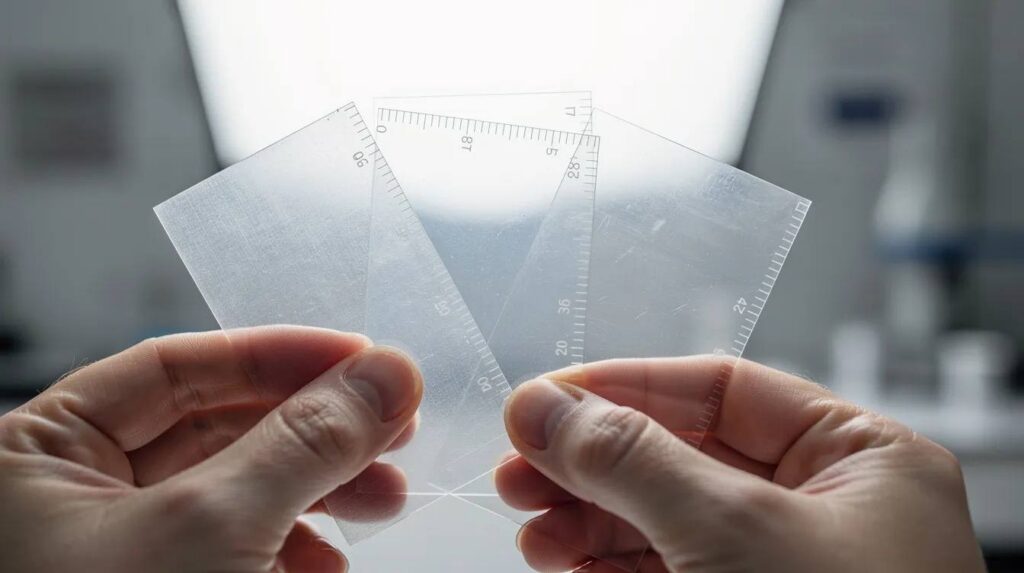
Shatter proof window film is a clear or lightly tinted polyester laminate, typically 4 to 8 mil thick, applied to the interior surface of existing glass windows. When glass breaks, this film holds shattered glass together, preventing dangerous shards from scattering across the room.
Unlike standard decorative tint or blackout films that focus on privacy or light control, safety window film uses high-tensile-strength polyester bonded with pressure-sensitive adhesive across the entire glass surface. Standard privacy films often use thinner substrates (under 2 mil) that offer minimal impact resistance. Safety and security film is engineered specifically to retain broken glass shards.
It’s important to understand what this film isn’t: it’s not bulletproof or unbreakable. Ballistic protection requires 14+ mil specialized films with reinforced frames and purpose-built bulletproof windows and doors. However, shatter proof film dramatically reduces shattering, contains flying glass shards, and makes forced entry difficult—often delaying intruders long enough for alarms to trigger.
Example comparison: A 4 mil clear safety film on a home sliding glass door will contain glass from accidental impacts like a thrown ball, reducing shard projection by over 90%. Meanwhile, an 8 mil security film on a high-crime area storefront can withstand 10-15 hammer blows before partial breach, increasing intruder exposure time by 200-300%.

Key Benefits of Shatter Proof Window Film
Protective window film delivers multiple advantages beyond basic shatter retention. Here’s what you gain:
Personal Safety
- Film keeps broken glass attached during accidents—door slams, stray balls, or spontaneous thermal failures
- Shatterproof window film can significantly reduce the risk of injury from flying glass during accidents or natural disasters by keeping broken glass shards contained
- During 2026’s intensifying storm seasons across US and EU cities, filmed windows show up to 50% less glass-related damage
Security Against Break-Ins
- Security window films are a cost-effective solution used to strengthen regular glass, protecting against smash and grab attacks and break-ins
- The application of security window film can significantly delay forced entry by holding shattered glass together, making break-ins harder and slower
- Filmed glass can require multiple heavy blows to breach, increasing noise and time—often enough to deter opportunistic burglars relying on 60-second smash-and-grab tactics
UV Protection & Preservation
- Safety window films can block up to 98% of harmful ultraviolet rays, helping to prevent fading of carpets and furniture
- Glass protection film preserves interior furnishings, displays, and flooring from sun damage over time
- Tinted or reflective security films soften harsh sunlight, reducing eyestrain in offices and homes
Energy Efficiency
- These films can reduce cooling costs by 10% to 30% by blocking solar heat
- Some film variants help retain heat during winter months, contributing to year-round energy savings
- Optional tinted versions cut glare without fully darkening rooms
Cost Savings
- Window film costs $2-6 per square foot installed versus $50-150 for laminated glass replacement
- Retrofits existing annealed or tempered glass without removal
- Avoids full window replacement costs while adding an added layer of protection
Regulatory Compliance
- In many regions, 4 mil or thicker film helps existing glass meet safety glazing standards
- Schools, gyms, and offices can achieve compliance without full window replacement
Types of Shatter Proof & Security Window Films
Different film thicknesses and constructions address different risks. Films should meet industry standards like ASTM for impact and tear resistance to ensure performance.
4 Mil Safety Film Best for residential accidents and mild storm protection. Ideal applications include:
- Bathrooms and shower enclosures
- Sliding glass door panels
- Children’s playrooms
- Areas where the main risk is accidental impact
4 mil films offer high optical clarity (90%+ visible light transmission) and straightforward DIY application for homeowners.
8 Mil Security Film The standard “security-grade” choice for commercial and institutional use:
- Shopfronts and retail displays
- Schools and public buildings
- Offices with street-facing glass windows
- Properties in higher-crime areas
This thickness provides superior tear resistance and extended breach time against deliberate attacks with tools like hammers or bats.
Thicker Multi-Layer Films (12 Mil+) For high-risk sites or severe weather zones:
- Hurricane-prone coastal regions
- Seismic areas like the Pacific Ring of Fire
- Government buildings requiring blast resistance
- Tested to standards like GSA Level C for anti-terrorism applications
These are not ballistic glass but provide maximum protection against flying debris and sustained impacts; for critical applications, many facilities evaluate broader shatterproof glass security options that combine films, laminates, and polycarbonate shields.
Specialty Finishes
- Clear: Maintains storefront visibility and natural light
- Dual-reflective: Adds daytime privacy with up to 50% solar heat rejection
- Lightly tinted: Modest heat and glare control without darkening
- Anti-graffiti: Peelable top layer that removes scratches and paint, ideal for urban transit hubs and vandalism hotspots
Match your film type to priorities: pure safety opts for 4 mil clear; safety plus security adds 8 mil with frame attachments; safety plus UV plus privacy combines tinted options.
Where Shatter Proof Window Film Is Most Useful
Any frequently used glass area benefits from film protection. Buildings in storm-prone or crime-prone regions see the greatest return on investment.
Homes
- Sliding glass doors (FBI statistics indicate these represent 80% of burglary entry points)
- Large picture windows and sidelights next to entry doors
- Shower screens and glass enclosures
- Children’s playrooms and glass balustrades
- Any house with older annealed glass
Schools & Childcare Centers
In education environments, many administrators pair safety film with broader ballistic window film and school security measures to improve lockdown performance and slow intruders.
- Classroom windows and glass door inserts
- Entrance lobbies and reception areas
- Film provides 60-90 seconds of lockdown delay during security incidents
- Reduces glass injury risks during emergencies
Shops & Offices
For many commercial properties, upgrading entrances and display glazing with burglar proof window solutions is a key part of reducing smash-and-grab risk alongside security film.
- Street-facing windows and display cases
- Glass doors and entry systems
- Protects merchandise, IT equipment, and office occupants
- Counters rising smash-and-grab incidents (up 20% in 2025 per retail audits)
Hospitals & Care Facilities
Similar layered approaches are used in places of worship, where bullet-resistant glass security solutions for churches combine films, polycarbonate panels, and hardened entryways to protect vulnerable congregations.
- Patient rooms and corridors
- Waiting areas with vulnerable occupants
- Locations where flying glass poses elevated risk to those unable to move quickly
High-Risk Weather Areas
Property owners in storm-prone regions often compare safety film with other hurricane proof window strategies when planning long-term protection and retrofit projects.
- Coastal regions facing hurricanes (Gulf Coast, Caribbean)
- Seismic zones (California, Pacific Ring of Fire)
- Areas with severe wind events
- FEMA data indicates 75% injury reduction from proper film installation
Bathrooms & Showers On tempered glass, the film is crucial for preventing explosive fragmentation. When tempered shower glass fails thermally, it can “explode” into small cubes—film keeps these contained rather than scattering across the space. This protects people and minimizes injury from what would otherwise be a dangerous situation.
How Shatter Proof Window Film Works
Security window films work by bonding to the glass and keeping broken pieces intact on impact, which reduces shattering and maintains a protective barrier.
Multi-Layer Construction
- High-tensile polyester layers (sometimes multiple for enhanced durability)
- Strong pressure-sensitive adhesive bonds across the entire glass surface
- Creates a unified protective barrier with the existing glass
The “Safety Net” Effect
- When glass breaks, the film stretches—up to 300% under strain—rather than tearing
- Broken glass shards remain attached to the film sheet
- Prevents the spray of shattered glass that causes most injuries
- Shatterproof window film acts like a steel curtain, holding shattered glass in place and helping to protect people and property
Comparison to Automotive Glass Think of how a car windshield behaves after impact—it cracks but largely stays in place. Safety film provides similar behavior retrofitted to existing windows without full replacement.
Impact Types Addressed
- Accidental hits: balls, slips, door slams
- Deliberate attacks: bricks, hammers, bats
- Flying debris during storms and natural disasters
- Thermal stress failures in tempered glass, which is widely used in doors and showers but has distinct tempered glass safety limitations
Important Limitations Film is not bulletproof—that requires specialized ballistic products. It cannot guarantee a burglar will never get through. Its role is to delay entry, deter opportunistic criminals, and minimize injury from broken glass, while higher-threat sites may step up to DefenseLite security panel systems for near-impenetrable protection.
Performance Factors
- Film performance varies based on the existing glass type, such as annealed vs. tempered glass
- Films should be anchored to the window frame with specialized sealants for maximum security
- Poorly bonded edges significantly reduce effectiveness
- Frame condition matters—corroded frames can reduce efficacy by 50%
DIY vs Professional Installation
Many homeowners successfully install 4 mil safety film themselves, while businesses and schools typically choose professional installation for security-critical applications.
DIY Installation: When It Works Best suited for:
- Small residential projects (a few windows or one shower enclosure)
- 4 mil films on interior glass
- Situations where cost savings outweigh perfect results
- Homeowners comfortable with precise, patient work
Basic Tools Required
- Spray bottle with soap solution
- Rubber squeegee
- Sharp utility knife with fresh blades
- Metal straightedge
- Lint-free cloths
- Clean workspace
Common DIY Mistakes
- Dust trapped under film (causes 20% of amateur job failures)
- Trapped air bubbles that won’t disappear
- Cutting film too small, leaving gaps
- Over-stretching film during application
- Installing in direct sunlight, causing adhesion problems
- Poor edge trimming that allows peeling
Professional Installation: When It’s Essential Professional installation is recommended for proper adhesion and secure attachment of the film to the window frame. Choose professional fitting for:
- Security-critical glass in shops, schools, and public buildings
- 8 mil or thicker films (harder to handle)
- Large commercial projects covering significant space
- Applications where warranty coverage matters
- Buildings requiring code compliance documentation
Decision Guideline
If you’re unsure which level of protection you need, requesting a local safety and security glazing estimate can help you match film or glazing upgrades to your actual risk profile.
- Small interior residential project → DIY possible with care
- Large property, security-focused, or commercial application → use a certified installer
- When in doubt, professional installation protects your money and ensures the film performs as intended
How to Install Shatter Proof Window Film (Step-by-Step)
If you’re tackling a DIY installation, follow this process carefully for best results.
1. Preparation
- Measure each pane precisely
- Cut film 1-2 cm oversize (you’ll trim after application)
- Clean window frame edges thoroughly
- Remove old stickers, tape residue, or silicone with isopropyl alcohol (critical for 30% better adhesion)
- To install window film, it is recommended to apply it when the sun is not shining directly on the glass to avoid issues during the application process
2. Mix Your Solution
- Combine water with a few drops of mild dish soap (approximately 1:100 ratio)
- This slip solution replaces commercial “assembly fluid” and is safe for glass and film
- Avoid excessive soap that leaves residue
3. Application
- Wet the clean glass surface thoroughly with spray bottle
- Peel the liner from the film while spraying the adhesive side
- Position film on wet glass (solution allows repositioning)
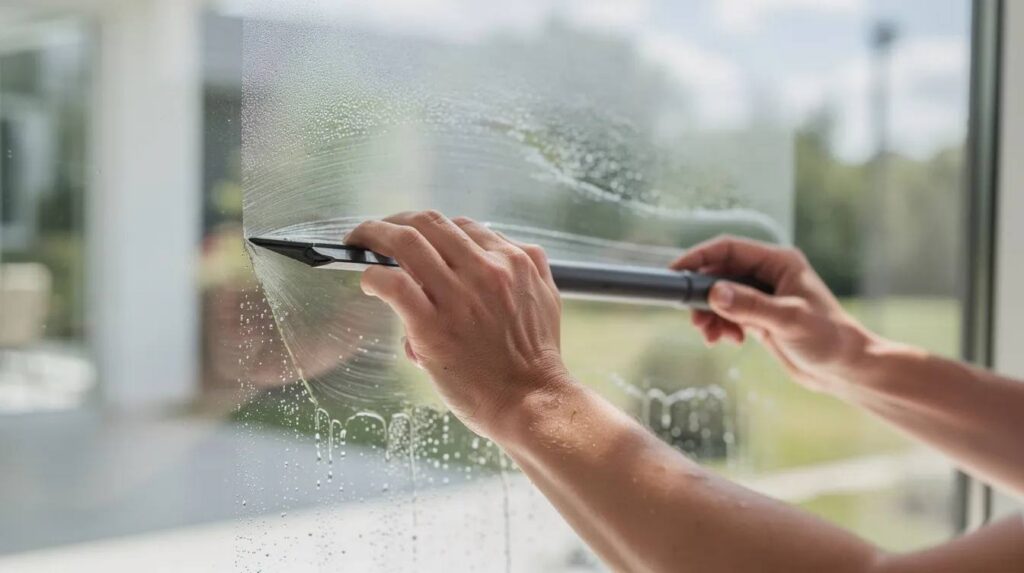
- Squeegee from center outward to expel water and air bubbles
- Use overlapping strokes, working toward edges
4. Trimming
- Use a sharp utility knife and metal straightedge
- Trim carefully, leaving a tiny gap (~1-2 mm) from the frame edge
- This gap allows drainage and prevents edge lifting
- Fresh blades prevent tearing
5. Curing
- The installation process involves cleaning the window thoroughly, trimming the film to size, and applying it with a soap solution
- After applying window film, it can take up to 30 days for the film to fully bond to the glass
- Haziness and small water pockets are normal initially
- Avoid cleaning during the curing period
- Thicker films require longer cure times
6. Aftercare
- Wait until fully cured before cleaning
- Use non-abrasive cloths only
- Avoid ammonia-based cleaners that can damage the film’s scratch resistant topcoat
- Gentle cleaning preserves film clarity and longevity
Shatter Proof Film Thickness & Performance (4 Mil vs 8 Mil)
The thickness of window film is measured in mils, with 1 mil being equal to 1/1000 of an inch. So 4 mil equals approximately 100 microns, and 8 mil equals approximately 200 microns.
4 Mil Film Performance
- Suitable for general safety applications
- Holds 80-90% of glass in place post-impact
- Provides 10-20 second delay against forced entry
- Ideal for low- to medium-risk environments
- Excellent optical clarity with minimal haze
8 Mil Film Performance
- Thicker window films, such as 8 mil, provide stronger impact resistance and better protection compared to standard 4 mil films
- Retains 95%+ of broken glass
- Withstands 45-75 seconds of tool attacks
- Preferred for security-focused applications
- Better tear resistance during sustained attacks
Trade-Offs
- Thicker films are tougher but slightly harder to install
- May show marginal optical imperfection if bubbles are trapped
- The thickness of window film can significantly affect its performance, with thicker films taking longer to break through, thus enhancing security
Selection Rule of Thumb
- Film thickness typically ranges from 4 mil to over 14 mil, with specific thicknesses recommended for various safety and security needs
- Homes and low-risk offices → 4-6 mil
- Street-level shops, schools, at-risk sites → 8 mil or thicker
- Blast or hurricane protection → 12 mil+
Both thicknesses dramatically reduce flying glass hazards. The primary difference lies in intrusion resistance and how long the film holds during sustained force from intruders.
Shatter Proof Window Film vs Other Window Films
Not all window film provides protection. Understanding the differences helps you choose correctly.
vs Blackout Films Blackout gives total privacy and blocks visible light completely. However, standard blackout films use thinner substrates without safety engineering. They’re not automatically security-grade unless specifically manufactured for impact resistance. Check specifications—thickness matters more than opacity.
vs Standard Privacy/Reflective Tints Privacy tints block views and may reject heat, but often use materials under 2 mil thick. They offer negligible shatter protection. A reflective tint might cover windows for aesthetics but won’t hold shattered glass after impact.
vs Decorative Films Frosted patterns and graphics serve aesthetic or privacy purposes only. They’re not impact-protection products. If you need both decoration and safety, look for hybrid products with appropriate thickness ratings.
vs Full Laminated Glass Replacement Laminated safety glass integrates a plastic interlayer during manufacture, offering similar retention to film. However, it requires removing existing glass and installing new units—often 10x the cost of film. Window security film retrofits existing panes at a fraction of the price.
Verification Tip Confirm that any film marketed as “security” or “shatter proof” clearly states its thickness and impact ratings. Don’t rely on marketing terms like “tint” or “privacy” alone—always check the specs for anti shatter performance.
Why Choose Our Shatter Proof Window Film & Services
We specialize in quality safety and security film solutions for homes, schools, offices, and retail storefronts throughout 2026, and can integrate our films with broader glass security and bullet-resistant systems when projects demand higher levels of protection.
Our Product Standards
- True safety/security-grade polyester films in 4 mil, 8 mil, and thicker options
- Tested UV blocking up to 98-99% to protect occupants and furnishings from harmful UV rays
- Scratch resistant topcoat for long-term clarity
- High-quality films can last 10 to 20 years and may come with manufacturer warranties
Installation Expertise
- Trained installers with experience on diverse glass types and window frame conditions
- Adherence to local safety glazing codes
- Proven retrofits on older annealed and tempered glass
- Proper edge sealing to secure the complete system
Consultative Approach
- Free or low-cost property assessments
- Risk surveys evaluating all glazing from doors to mirrors
- Tailored recommendations matching thickness and finish to your specific needs
- Transparent written quotations with realistic timelines
Service Quality
- Clear communication throughout the process
- Post-installation guidance on cleaning and maintenance
- Support for both residential and commercial projects
- Expert advice on whether your weakest point is a storefront, a sliding glass door, or an office window
This great product delivers measurable protection. Contact us for a site-specific quote to discuss whether 4 mil, 8 mil, or thicker film best addresses your security and safety objectives.
Frequently Asked Questions About Shatter Proof Window Film
Does shatter proof film completely stop break-ins? No, it does not make glass unbreakable. However, it significantly delays and complicates entry, often buying 30-75 seconds—enough time for alarms to sound and deter opportunistic criminals. Studies show 75% deterrence rates through increased time and noise exposure.
Is security window film bulletproof? No. Security film is designed for impact and shatter control, not ballistic protection. Bulletproof applications require 14+ mil specialized films with reinforced frames meeting UL 752 standards.
Does it go on the inside or outside of the window? Most safety and security films are applied to the interior surface, protecting from weather and providing easier maintenance. Some projects use exterior or dual-side installation for extra blast protection.
How long does shatter proof window film last? High-quality films can last 10 to 20 years and may come with manufacturer warranties. Lifespan depends on sun exposure (south-facing glass ages faster), glass orientation, and proper cleaning practices. Watch for yellowing as a sign of age.
Will it change how my windows look? Clear films cause less than 1% appearance change—virtually invisible. Tinted or reflective options will slightly darken or mirror the glass, offering added privacy and solar heat control. Choose based on your aesthetic preferences.
Can I remove or replace the film later? Yes. Professional removal using steam or heat is straightforward and won’t damage the glass. Anti-graffiti films are specifically designed for periodic replacement, making cleanup time minimal when vandalism occurs.
Does it offer UV protection? Yes. Quality safety film offers UV protection blocking up to 98-99% of harmful ultraviolet rays, reducing fading of furnishings and protecting occupants from sun damage.
Conclusion & Next Steps
Shatter proof window film delivers measurable improvements in safety, security, and UV protection without the expense of full glass replacement. By holding broken glass together, it minimizes injury risk during accidents, slows forced entry during break-ins, and blocks harmful ultraviolet rays that fade interiors.
Choosing the right thickness and installation method is essential. A 4 mil film suits most residential safety needs, while 8 mil or thicker provides the secure barrier commercial and institutional properties require. Professional installation ensures proper adhesion, edge sealing, and code compliance—particularly important for schools, offices, and storefronts.
Assess your own glass risks across your home, school, or office space. Consider which windows and doors represent the weakest point in your property’s protection. Our team provides tailored recommendations based on your specific situation, glass types, and priorities.
Ready to protect your property in 2026? Contact us for a free assessment, installation quote, or safety compliance check on your existing glazing. Whether you need to cover windows in a single room or secure an entire commercial building, we’re here to help you find the right solution.