Table of Contents
Why Worship Center Security Glazing Matters in 2026
How Security Glazing Protects Doors and Windows in Places of Worship
Balancing Church Security with Natural Light and a Welcoming Atmosphere
Key Threats Security Glazing Helps Mitigate in Religious Facilities
Priority Areas to Harden: Doors and Windows That Deserve Security Glazing First
How Impact Security’s Retrofit Glazing Process Works for Worship Centers
FAQs About Worship Center Security Glazing
Why Choose Impact Security for Worship Center Security Glazing
Plan Your Worship Center Security Glazing Project
Why Worship Center Security Glazing Matters in 2026
Active shooter incidents at places of worship are increasing, and vandalism against religious properties is on the rise in the US. The 2018 Tree of Life Synagogue massacre in Pittsburgh killed 11 people. The 2017 shooting at First Baptist Church in Sutherland Springs, Texas took 25 lives. In 2026 alone, a mosque shooting in San Diego and an armed vehicle attack on a Detroit-area synagogue reminded communities that violence against houses of worship shows no sign of slowing. According to FBI data, religious bias accounted for 23.5% of all single-bias hate crime incidents in 2024.
Standard glass in doors and windows remains the weakest link in most church security plans. Annealed glass shatters in seconds from a thrown brick. Even tempered glass, while stronger, crumbles entirely once cracked. Attackers know this. A single broken sidelight next to an entry door gives immediate access to latches, lobbies, and congregations inside.
Worship center security glazing refers to retrofit systems that install over existing glass to resist forced entry, ballistic threats, and blast forces-without replacing entire frames or sacrificing natural light. Security glazing enhances safety in worship centers by turning vulnerable openings into hardened barriers while keeping spaces bright and welcoming.
Impact Security is a U.S.-based manufacturer and installer of retrofit security glazing systems, including DefenseLite for forced-entry protection and BulletShield for ballistic protection. Founded in 2016 with fabrication centers in Marietta, GA and Glendale, AZ, the company serves churches and places of worship nationwide. This article covers how security glazing works, what options exist, common misconceptions, and exactly how the retrofit process unfolds.
How Security Glazing Protects Doors and Windows in Places of Worship
Standard annealed and tempered glass were never engineered to resist deliberate attack. In a real forced entry or active threat scenario, unprotected windows and doors fail almost instantly. Engineered security glass changes that equation entirely.
Retrofit polycarbonate or laminated shields mount directly over existing glass in doors, sidelights, and storefront systems, creating a protective barrier in front of the original pane. Security glazing can be retrofitted onto existing windows without full frame replacement, and products like Riot Glass can be mounted on top of existing glass doors. Similarly, Bee-Safe® Ballistics glazing can be retrofitted onto existing windows using the same approach. Here is how each protection type works:
- Forced-entry resistant glazing. Forced Entry Resistant Glass is designed to delay intruders using blunt force. These systems withstand repeated impacts from hammers, crowbars, and thrown objects. Forced entry glazing is categorized into classes like P6B, P7B, and P8B for resistance levels, with each class indicating progressively greater resistance. Bee-Safe® Ballistics glazing withstands repeated blows from tools, adding another layer of delay. Reinforced framing is essential for the effectiveness of security glazing-without proper anchorage, even strong glazing can be pried from the opening.
- Bullet-resistant glass. Ballistic-resistant glazing is engineered to absorb and disperse projectile energy across multiple composite layers. Bullet-resistant glazing can withstand gunfire from specific firearms, and bullet-resistant glazing can stop bullets from firearms at rated threat levels. UL 752 Level 7 glazing resists AK-47 rifle attacks, while Riot Glass can resist a multi-shot attack from an AK-47. Bullet-resistant glazing can withstand gunfire from an AK-47 rifle at tested distances. Active Threat Protection includes ballistic-grade glazing that withstands gunfire, and bullet-resistant glazing delays forced entry during active threats by keeping the barrier intact. Critically, bullet-resistant glazing maintains visibility and natural light, so protected spaces don’t feel like bunkers.
- Blast-mitigating glazing. Laminated assemblies with engineered interlayers keep glass anchored in the frame during explosions or severe wind events, protecting building occupants from flying debris. Shatter Containment prevents sharp fragments from causing injuries when glass breaks.
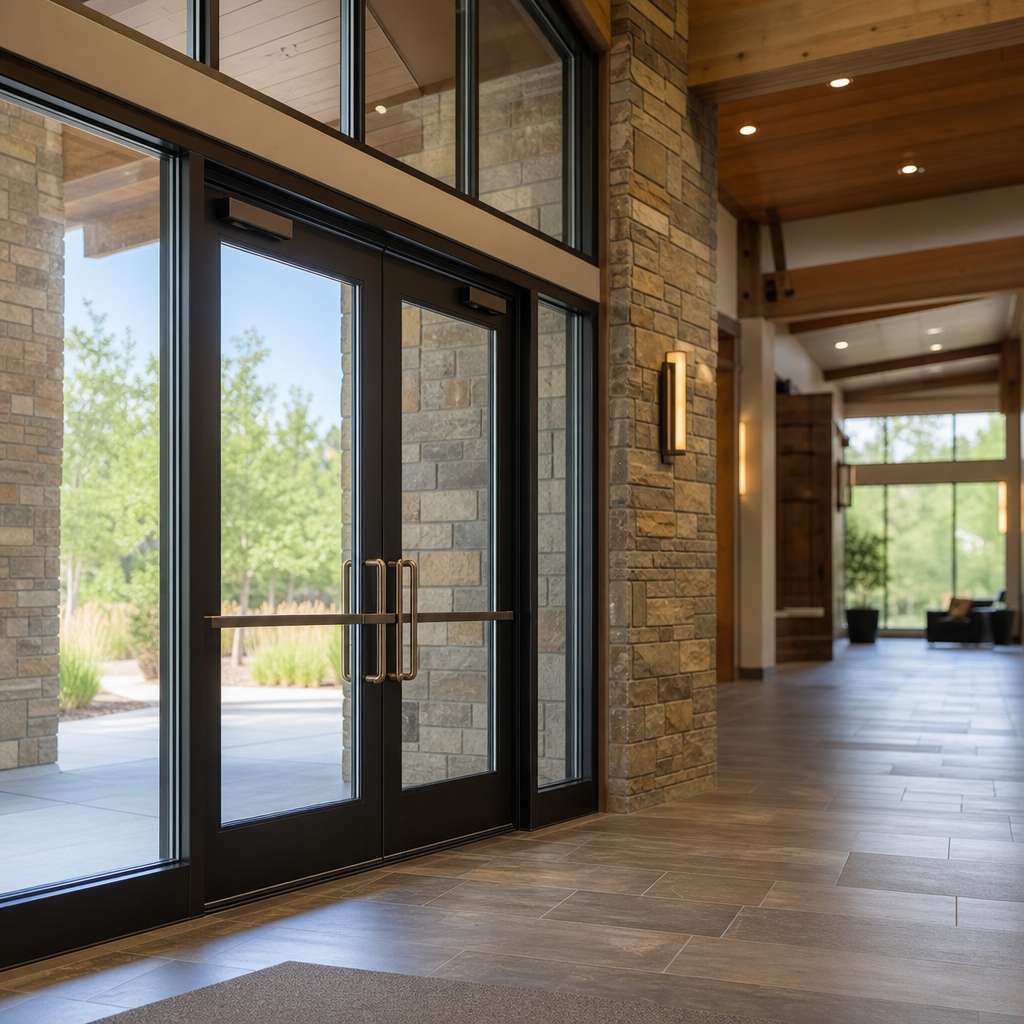
These systems delay entry long enough for staff to initiate lockdown, move children to safe areas, and for authorities to respond. FBI data shows a median police response time of roughly three minutes in studied active shooter cases-every second of delay matters. Protection strategies for worship centers include creating safe zones with ballistic glazing at key choke points between vestibules and sanctuaries.
Additional benefits include noise reduction for quiet worship, UV and solar control that protects interior finishes, and energy efficiency improvements that reduce HVAC load.
Balancing Church Security with Natural Light and a Welcoming Atmosphere
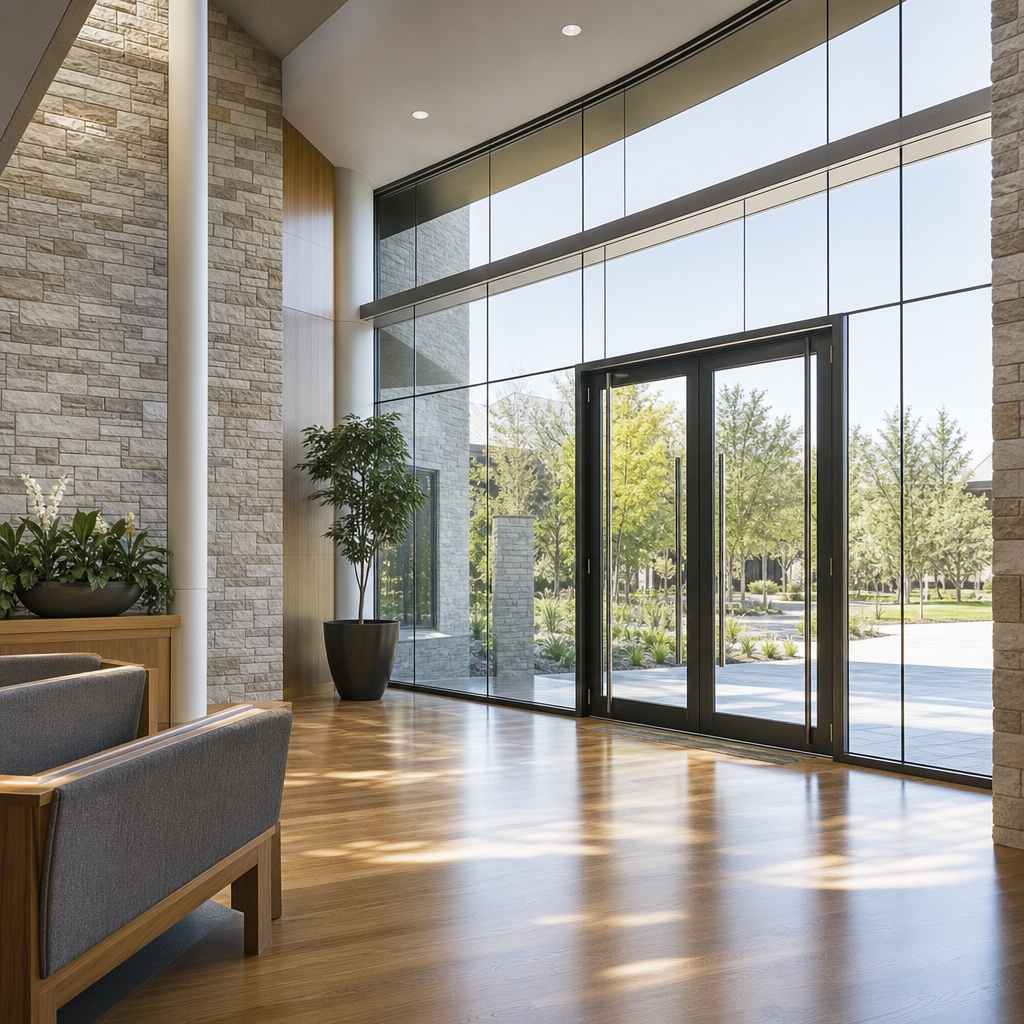
Many church leaders and boards feel a real tension: they want to protect congregations but fear that heavy security measures will create a fortress aesthetic that drives visitors away. Security glazing can help maintain a welcoming appearance while improving safety, which is why modern systems are designed to be optically clear and architecturally neutral.
Systems like DefenseLite and BulletShield preserve natural light in sanctuaries, narthexes, and fellowship halls. There are no bars, shutters, or prison-style grilles.
From the street, a retrofitted entry looks identical to the original. Staff maintains visibility to parking lots and sidewalks, spotting suspicious activity sooner. The shields blend into wood, aluminum, or steel church framing without noticeable visual change.
Consider a typical suburban church with a large glass foyer rising twelve feet, or an urban mosque with storefront glazing facing the sidewalk. In both cases, security glazing protects against break-ins and vandalism while preserving the welcoming atmosphere that defines these spaces.
Vandalism mitigation includes abrasion-resistant coatings that resist marks, keeping protected surfaces clear and clean. For many congregations in noisy urban settings, multi-layer security glazing also reduces outside traffic noise, improving the worship experience.
Key Threats Security Glazing Helps Mitigate in Religious Facilities
Each place of worship has a unique risk profile, but most threats fall into common categories. Security assessments help identify vulnerabilities in church facilities and guide the right response.
Forced entry and smash-and-grab. Burglars commonly break sidelights next to entry doors to reach interior latches. AV equipment, donation safes, and offices are targeted during weeknights. Security glazing helps deter vandalism and break-ins by making these entry points far harder to breach, especially when using forced entry security glazing systems for doors and windows. Security film delays break-ins by making glass harder to shatter, and ballistic window film solutions strengthen glass and hold shattered pieces together even under sustained attack.
Vandalism and hate crimes. Windows broken with rocks, bricks, and bats-religious symbols and stained glass deliberately targeted. Repairing heritage stained glass can cost tens of thousands of dollars. A protective glazing shield costs a fraction of one repair and prevents the damage entirely.
Ballistic threats and active shooters. While no single product solves every active threat scenario, bullet-resistant glazing at key choke points can stop bullets or slow attackers and channel people into safer areas. Security glazing is not a standalone solution but part of a comprehensive security plan that should include surveillance cameras, security doors, access control, active shooter mitigation strategies, and trained safety teams.
Severe weather and blast risk. In hurricane-prone or tornado-prone regions, impact-resistant security glazing keeps glass in the opening during high-wind events, protecting congregants and interior spaces.
Addressing misconceptions. Security window films transform standard windows into break-resistant barriers and security film holds shattered glass together, reducing injury risk-but standard security film alone cannot stop bullets. Security window film is not a substitute for true bullet resistant glazing tested to UL 752 or similar standards. Films moderately delay forced entry and prevent forced entry attempts at lower threat levels, but they will not reliably stop bullets or heavy tool attacks without a properly engineered bullet-resistant glass security system for churches.
Priority Areas to Harden: Doors and Windows That Deserve Security Glazing First
Most worship centers have limited budgets, so improving security through phased projects makes the most sense. Impact Security helps churches prioritize by starting with the most vulnerable entry points.
- Main entry doors and sidelights. These are the top targets for both weekday break ins and weekend active threat scenarios. Forced-entry resistant shields or bullet resistant glass here create the greatest immediate security improvement and help prevent forced entry.
- Foyer, narthex, and lobby glass. Large glass expanses create an inviting atmosphere but expose many congregations to risk. Retrofitting security glazing preserves openness while hardening the outer envelope. Retrofitting security solutions is more cost-effective than replacing glass, saving churches from costly structural work.
- Children’s ministry, nurseries, and classrooms. Ground-floor windows and door lites near play areas are accessible from outside. Family expectations in 2026 demand strong physical security around kids-this is a key concern for every congregation.
- Offices, reception, and finance areas. Staff interact with the public during the week and handle tithes. Transaction-window glazing or ballistic-rated shields at these openings enhance safety for property and personnel.
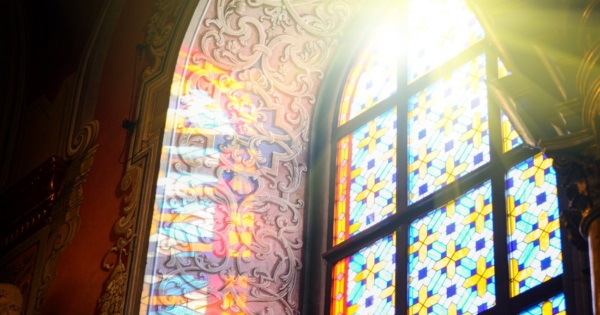
- Sanctuary and stained glass. Overglazing allows congregations to keep original stained glass installed decades ago while adding modern protection from vandalism, storms, and forced entry attempts. Retrofitting security glazing is more cost-effective than replacing glass, and it preserves irreplaceable heritage art.
Impact Security typically walks the property with facility managers and safety teams, marks each glass opening, rates it by risk, and builds a phased glazing plan over one to three budget cycles.
How Impact Security’s Retrofit Glazing Process Works for Worship Centers
Impact Security operates as a B2B and B2G manufacturer-installer specializing in retrofit glazing, with a nationwide network of certified dealers and fabrication centers in Marietta, GA and Glendale, AZ. Here is how the process works:
- Initial consultation and free estimate. A remote review of photos and drawings, followed by a call with church leadership or the safety committee to discuss concerns and priorities.
- On-site assessment. Technicians measure every door and window, document framing types, identify forced entry and ballistic threat concerns, and discuss church security policies and service schedules.
- Engineering and product selection. Impact Security recommends DefenseLite for forced-entry protection, BulletShield for ballistic protection, or combined systems based on the risk level, budget, and existing glass type at each opening.
- Fabrication. Custom panels and framing are manufactured for each opening-transparent polycarbonate, glass-clad polycarbonate, gasketed frames, and anchoring hardware-all built to spec.
- Professional installation and cleanup. Work is scheduled around services and events. Security film installation can be completed in hours or days for simpler applications, and security film can be installed quickly, often within hours. Full security glazing retrofits for a typical building take longer but are phased to minimize disruption.
- Testing, warranty, and ongoing support. Systems are independently tested to standards like UL 752 and newer school security glazing standards such as ASTM F3561. Warranties cover both materials and installation, with options for future expansion phases.
Most churches should expect four to ten weeks from initial assessment to completed installation, depending on scope and materials.
FAQs About Worship Center Security Glazing
These FAQs address the most common questions from pastors, church boards, and facility managers across the U.S.
Is bullet resistant glass really necessary, or is forced-entry glazing enough?
It depends on your threat profile. Many churches face burglary and vandalism risk that forced-entry glazing handles well. If your facility has received specific ballistic threats or is in a higher-risk area, bullet-resistant glazing at main entry points and safe rooms provides a critical additional layer. Impact Security helps right-size the solution to your actual risk.
Will security glazing make our church look like it’s under siege?
No. Modern worship center security glazing is optically clear with low-profile framing. There are no bars or shutters. Stained glass views and natural light are fully preserved, and most visitors will never notice the protective layer is there.
How much does worship center security glazing cost?
Costs vary by opening size, threat level, and product type. Forced-entry shields per door or sidelight typically cost far less than full window replacement or new construction. Ballistic-rated glazing for rifle threats costs more. Impact Security provides free estimates and phased plans that fit church budgets.
Can security glazing be installed on historic or decorative stained glass?
Yes. Overglazing methods place a clear protective shield over the original window without removal. The process is minimally invasive and often fully reversible, making it ideal for community centers and historic religious facilities alike.
Is security window film the same as bullet resistant glass?
No. Security film holds shattered glass together, reducing injury risk and delaying forced entry, but it cannot stop bullets. Security film enhances energy efficiency by reducing heat from the sun and adds a useful lower-cost layer of protection, but for true ballistic threats, bulletproof windows and doors with tested security glazing are required.
How long does installation take, and will services be disrupted?
Installation is scheduled on weekdays and phased to avoid Sunday services, weddings, and funerals. Simpler security film applications can be completed in hours. Full glazing retrofits across a range of openings typically take a few days on site, with work planned around your ministry calendar.
What maintenance does security glazing require?
Polycarbonate shields clean easily with mild soap and water-avoid abrasive cleaners. Periodic inspection of seals and anchors ensures long-term performance. Security glazing systems are compatible with existing alarm and access control systems.
Why Choose Impact Security for Worship Center Security Glazing
Since 2016, Impact Security has focused exclusively on retrofit security glazing for doors and windows, serving churches, schools, government buildings, and commercial properties across the U.S. Here is what sets them apart:
- Retrofit specialists. No costly full-frame replacement. Systems install over existing glass, saving many churches from expensive structural work.
- Proven products. DefenseLite for forced-entry protection and BulletShield for ballistic protection are engineered, fabricated, and supported domestically.
- Nationwide certified installers. Experienced with religious facilities of every size-from small rural congregations to large multi-campus churches.
- Turnkey service. Assessment, engineering, fabrication, installation, and warranty through a single provider, reducing the coordination burden on volunteer-led safety teams.
- Worship-sensitive scheduling. Experience working with church boards, safety committees, and denominational property offices. Phased plans align with grants and security funding programs available to religious facilities.
Impact Security helps worship centers create a secure environment without compromising the openness and natural light that define sacred spaces.
Plan Your Worship Center Security Glazing Project
If you lead a church, mosque, synagogue, or temple, the next step is straightforward: schedule a free worship center security glazing assessment with Impact Security. Before reaching out, gather a few basics-building age, number of exterior doors and major window areas, and any prior incidents involving break ins, vandalism, or threats.
Contact Impact Security by phone, website form, or email. Expect a response within one business day and a no-obligation estimate tailored to your facility. Strengthening your church’s security glass today helps protect congregants, staff, and volunteers during every service, event, and weekday ministry-without sacrificing the sense of peace and openness that make a worship center feel like home.