Glass is the single weakest point in a data center’s building envelope. While walls, roofs, and reinforced doors can resist prolonged attacks, standard commercial glass can be breached in seconds. Data center security glazing closes that gap, creating a barrier against forced entry and environmental damage as part of a defense in depth strategy. This guide covers everything facility managers, security directors, and architects need to know about specifying and installing security glazing in mission critical facilities.
Table of Contents
The Crucial Role of Security Glazing in Modern Data Centers
Performance Requirements: Forced Entry, Ballistic, Fire, and Energy Efficiency
Priority Applications: Doors, Partitions, Guard Stations, and Viewing Windows
Retrofit vs. New-Build Strategies
How Projects Work With Impact Security
FAQs on Data Center Security Glazing and Physical Security
Why Choose Impact Security
Next Steps
The Crucial Role of Security Glazing in Modern Data Centers
Data center security glazing encompasses forced-entry, ballistic, and blast-resistant glazing systems installed on exterior doors, limited windows, guard stations, and interior partitions across mission critical facilities. With around 12,000 data centers worldwide-and that number climbing-every glass opening represents a potential vulnerability that sophisticated attackers know how to exploit.
Data centers house sensitive information and are high-value targets for theft, espionage, and sabotage. Cloud, fintech, healthcare, and government operations all depend on 24/7 uptime, making any physical breach a direct threat to SLAs and business continuity. Data centers must meet global compliance standards like ISO 27001 and NIST SP 800-53, both of which mandate physical security measures that prevent unauthorized access to data centers. Security glazing is critical for data center breach prevention because it addresses the one element attackers consistently target first: glass.
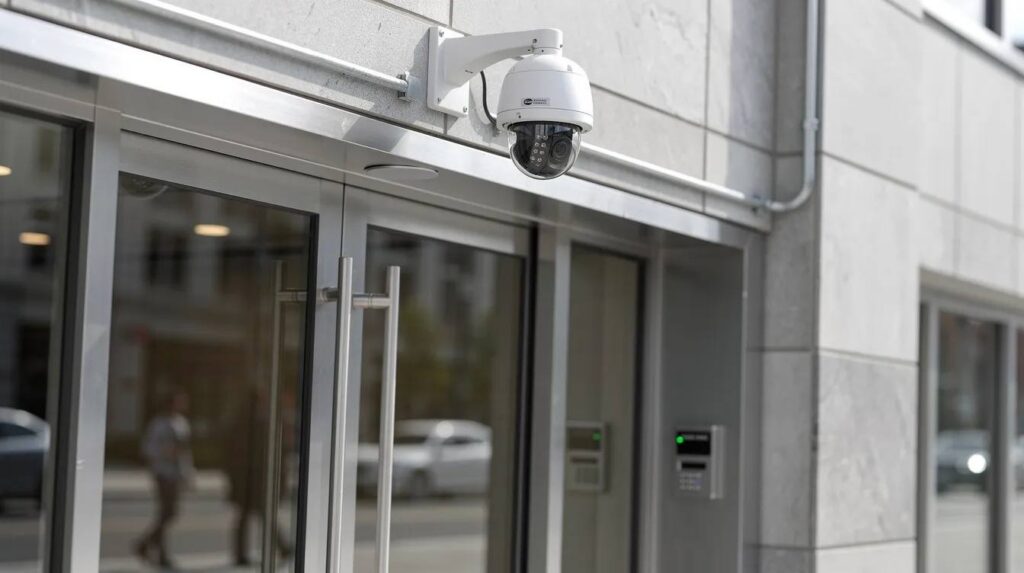
Within a defense-in-depth framework, security glazing acts as a front-line physical barrier that supports-but does not replace-access control, surveillance systems, perimeter fencing, and mantraps. Security glazing is essential for protecting data center infrastructure, and Impact Security’s retrofit systems (DefenseLite, BulletShield, RiotLite) are engineered to turn standard commercial glass into a time-delaying barrier without full window replacement. Physical security measures like these protect personnel, servers, networking equipment, and the vast amounts of critical information stored inside.
Performance Requirements for Data Center Security Glazing
Data center physical security demands glazing that balances protection, code compliance, and energy efficiency under continuous operation. Here are the performance categories that matter most.
Forced-entry resistance is the baseline requirement. Attack profiles range from three-to-ten-minute tool assaults with hammers and crowbars to coordinated smash-and-grab attempts and rioting. Forced-entry-resistant glazing slows or stops intrusion attempts, and windows made of security glazing delay attackers and provide time for a faster response from on-site security. Key benefits of security glazing include forced-entry resistance and blast mitigation-the ability to absorb and deflect significant impacts before an opening is created. Polycarbonate glazing is highly shatter-resistant and difficult to smash, while laminated glass consists of two or more panes bonded with a tough plastic interlayer that maintains structural integrity when broken. Specialized security glazing is engineered to withstand significant impacts across all of these attack profiles.
Ballistic and blast considerations become relevant for high-profile facilities, government contracts, and colocation sites near critical infrastructure. Security glazing enhances resilience against multiple threats such as blasts and ballistic attacks, with UL 752 levels ranging from Level 1 (9mm handgun protection at roughly 1.2 inches thick) up to Level 7 (AR-15 rifle rounds at approximately 1.6 inches and 15 pounds per square foot). Glass-clad polycarbonate combines the benefits of glass with polycarbonate durability, making it the preferred material for higher threat levels where clarity and weight both matter.
Fire, smoke, and compartmentation requirements apply wherever glass forms part of a fire separation around server rooms, equipment rooms, or critical electrical spaces. Fire-rated glass can contain fires and smoke while protecting server rooms, and any security glazing installed in these areas must integrate with fire-rated assemblies or be mounted outboard as a non-combustible shield.
Thermal performance and energy efficiency matter in climate-controlled environments running cooling systems around the clock. Retrofit security glazing that creates an air gap behind the shield can improve U-values by approximately 2.5 times and reduce solar heat gain, with claimed energy savings exceeding 30% in cold climates. For data centers, even modest reductions in peak cooling demand translate directly into lower operating costs and improved power usage effectiveness.
Acoustics and vibration protection round out the requirements. Environmental shields protect sensitive equipment from damage, leading to operational uptime even during severe weather or nearby construction. Hardened glazing can reduce sound transfer by 40–50%, benefiting control rooms, NOC spaces, and any area housing sensitive equipment near exterior walls.
Where Security Glazing Matters Most in Data Centers
Typical glass locations in data centers include perimeter entry doors, limited exterior windows in office or lobby zones, interior glass partitions, guard stations, and observation windows into white space. Each location carries distinct risk profiles.
Exterior doors and limited windows are the highest-priority targets. All glass in main entrances, dock doors with vision lites, and any street-facing windows should receive forced-entry-resistant retrofit systems first. Reinforced glass can slow or stop intrusion attempts, buying critical minutes for security response. These openings are also vulnerable to vehicle barriers being defeated and vehicle-assisted attacks at grade-level edge facilities. In a 10–20 MW urban edge data center, even a single compromised door can expose storage systems, servers, and critical equipment to unauthorized access.
Lobbies, reception, and guard stations feature large expanses of glass that are attractive targets for disrupting operations. High-security glazing reduces the risk of theft and damage from vandalism while protecting the personnel staffing access control and monitoring systems. Ballistic-rated or high-impact glazing at these positions ensures that even during an active incident, security staff maintain the ability to control building access and coordinate response.
Interior glass partitions and server-room enclosures are increasingly common in modern data center designs that value visibility. Reinforced glass prevents unauthorized access to sensitive areas while creating secondary containment if the perimeter is breached. Security glazing maintains visibility for monitoring while ensuring security-keeping prying eyes from accessing restricted areas without proper authorization while still allowing operations teams clear sightlines.

Viewing windows and conference rooms overlooking critical spaces present a unique challenge: balancing observation with data protection. Privacy glass changes opacity with an electrical signal, and data centers use privacy glass to block unauthorized views when tours or visitors are present. The technology behind privacy glass includes electrochromic materials that switch from transparent to opaque on demand, enhancing confidentiality in sensitive environments. Privacy glass can reduce the need for additional lighting by allowing natural light when transparency is needed, and it is durable enough to withstand data center conditions including temperature fluctuations and continuous use.
Retrofit vs. New-Build: Practical Security Glazing Strategies
Most U.S. data centers in operation today are existing facilities where shutting down for major façade replacement is not feasible, especially when securing glass windows and doors is the priority. Retrofit security glazing is often the fastest, least disruptive path to improved physical barriers.
Retrofit systems like DefenseLite mount polycarbonate shields over existing glass using custom, vented aluminum extrusions. The shield creates a clear secondary barrier-roughly 250 times stronger than standard glass-that absorbs impact without requiring removal of existing frames. Installations are staged during off-peak hours or weekends, with typical retrofit costs around $90 per square foot, representing 10–15% savings over full glass replacement. For a 2012 Tier III facility needing security upgrades without impacting SLAs, this approach delivers measurable risk reduction within days rather than months.
Ballistic add-ons such as BulletShield address higher threat levels at guard stations, cash-equivalent storage rooms housing backup media, or areas securing sensitive data. These bullet resistant panels can be layered over existing curtainwall or storefront systems without full replacement, meeting UL 752 requirements while preserving the building’s architectural appearance.
New-build design integration allows architects and engineers to specify mullion depths, anchorage, and thermal breaks from day one so that ballistic and forced-entry solutions meet both security specs and energy codes. Proper installation during new construction ensures frames can handle the additional weight-Level 7 ballistic panels at 15 lb/ft² demand structural planning that retrofits sometimes require workarounds to achieve.
Lifecycle considerations favor engineered polycarbonate and laminates that, with proper UV coatings and maintenance, perform reliably in 24/7 environments for years. Integrating security glazing with access control improves overall physical security and simplifies long-term maintenance by reducing the number of separate security systems facility teams must manage.
How Impact Security Delivers Data Center Security Glazing Projects
Impact Security, parent company of DefenseLite, is a B2B and B2G manufacturer-installer focused on retrofit security glazing for high-risk, continuously occupied facilities-with data centers as a key vertical. The company’s security glazing expertise spans design, engineering, and nationwide deployment for mission-critical environments.
Assessment and threat profiling starts with on-site or virtual surveys where specialists map every glass opening, review existing access control and camera coverage, and prioritize vulnerabilities based on realistic potential threats: vandalism, targeted forced entry, ballistic risk, or blast exposure. This profiling ensures that the glazing solution matches the actual risk rather than over-specifying or leaving gaps.
Engineering and fabrication happen at U.S.-based facilities in Marietta, GA and Glendale, AZ. Custom panel sizing, framing, ventilation details, and hardware are designed for each data center’s existing storefront or curtain wall materials and security procedures.
Installation planning around uptime follows phased strategies-night or weekend work windows, airlock-style sequencing on primary entrances, and coordination with security teams-to avoid disrupting cooling systems, physical access pathways, or operations, while still deploying engineered overglaze systems that outperform security film. Personnel and secure areas remain protected throughout.
Integration with monitoring and access ensures that card readers, biometrics, cameras, and mantraps operate without blind spots, blocked sensors, or interference from the new glazing hardware. The result is a facility where even the best digital defenses are backed by hardened physical layers.
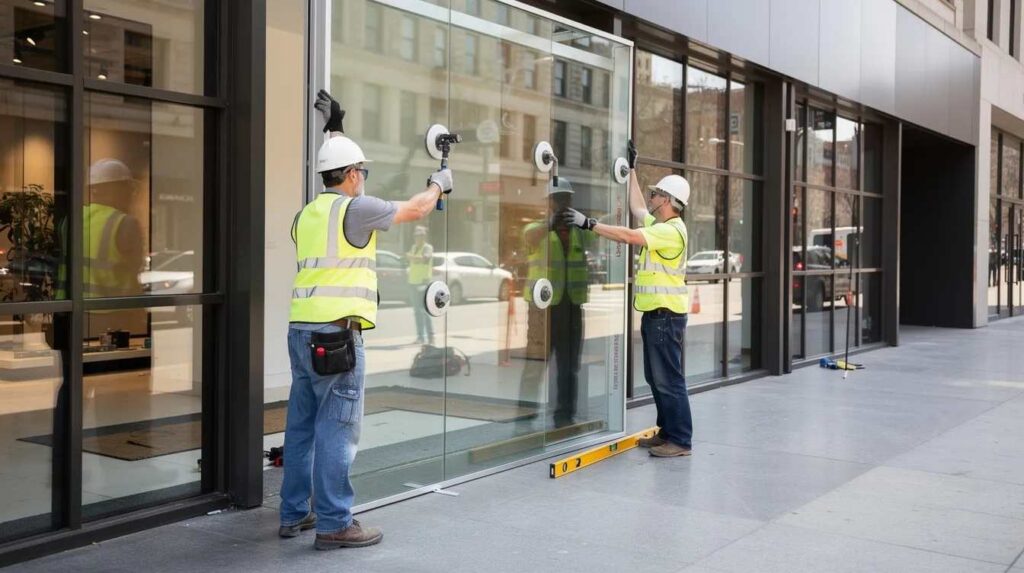
Ongoing support includes warranties, inspection schedules, and the ability to upgrade from forced-entry-only to ballistic or higher-rated solutions, including higher-strength DefenseLite Pro configurations, as insider risks or external threat profiles change-without replacing frames or disrupting operations again.
FAQs: Data Center Security Glazing and Physical Security
These questions come directly from data center operators, COLO providers, and enterprise facility managers evaluating security glazing.
How does security glazing actually stop forced entry at a data center? Multi-layer polycarbonate and laminated glass constructions flex and absorb energy across repeated blows rather than shattering. Security glazing absorbs and deflects significant impacts, preventing the creation of a pass-through opening. Even after sustained forced entry attempts, the glazing maintains its position in the frame, denying physical access to equipment, servers, and sensitive areas behind it.
Will installing security glazing disrupt my data center operations or impact SLAs? Typical installations are staged after hours or on weekends, with each opening completed in under an hour. All entrances remain functional throughout the project, and security teams coordinate sequencing so that no entry point is left compromised at any time.
Can security glazing be added to existing glass doors and partitions, or do they need to be replaced? Retrofit is the default approach. Over-glaze shields attach to existing frames without removing the original glass. Full replacement is only recommended when frames are structurally degraded or when fire-rating requirements demand an integrated assembly.
Does forced-entry or ballistic glazing affect energy efficiency and cooling loads? The added air gap between the shield and existing glass acts as insulation, improving U-values and reducing solar heat gain. This benefits modern data centers by lowering peak cooling demand. Proper design ensures heat is not trapped around mullions, and vented extrusions prevent condensation.
How does security glazing fit into our overall data center physical security strategy? Security glazing is one layer in a defense in depth approach that includes perimeter security, perimeter fencing, vehicle barriers, access control, surveillance systems, mantraps, and incident response plans. It addresses the specific vulnerability of glass-typically the weakest link-so that intrusion attempts at any opening face the same resistance as walls and doors.
What maintenance does data center security glazing require over time? Polycarbonate shields need periodic cleaning with non-abrasive solutions and inspection of fastener integrity. UV-stabilized coatings prevent yellowing and maintain clarity over years of service. Impact Security recommends professional review annually to confirm seal integrity and identify any wear before it affects performance.
Why Choose Impact Security for Data Center Security Glazing
Protecting mission critical facilities requires specialized glazing expertise-not generic glass replacement. Impact Security focuses exclusively on forced-entry, ballistic, and riot-resistant retrofit glazing, including DefenseLite and BulletShield, engineered for high-risk, continuously occupied buildings.
- Turnkey service from assessment and engineering through fabrication, certified installation, and after-install support reduces coordination burden on already-stretched facilities teams
- Proven performance against relevant forced-entry and ballistic industry standards, with real-world incidents where glazing prevented or delayed intrusion at critical sites protecting sensitive information and critical equipment
- Nationwide reach through authorized dealers and certified installers who understand local codes, weather patterns, and AHJ expectations for critical infrastructure
Choosing Impact Security means improving uptime, protecting staff, and hardening the physical infrastructure of your data center as part of a comprehensive data center security program.
Next Steps: Strengthen Your Data Center’s Glass Weak Points
Data center physical security is only as strong as its weakest glass opening. Security glazing is a fast, high-impact way to close that gap-protecting against forced entry, ballistic threats, and environmental damage while preserving the visibility and natural light that modern data center designs demand.
Schedule a site assessment or request a free estimate with Impact Security to identify vulnerabilities before they are tested. Security contractors can also become a certified DefenseLite dealer to bring these solutions to their own data center clients. Whether you are upgrading an existing facility or planning a new build, bringing in specialized glazing expertise early delivers smoother integration, better data protection, and stronger value.
Threats to modern data infrastructure continue to evolve. Reviewing and upgrading physical security layers-including every glass opening-is not a one-time project but an ongoing commitment to protecting the people, equipment, and sensitive data your facility exists to serve.