Introduction: Why Hospital Security Glazing Matters in 2026
Hospital security glazing refers to forced-entry, human-impact, and bullet resistant glazing systems installed over or in place of standard window glass to protect healthcare workers, patients, and critical spaces from violence, intrusion, and active threats. Security glazing helps protect staff and patients from violence and theft in healthcare environments, and it has become an essential layer of defense in healthcare settings recent years.
Healthcare workers are five times more likely to face violence than workers in any other industry. Traditional hospital security measures like cameras, access control systems, and panic buttons serve important roles, but they cannot physically stop someone from breaching a window or door. Impact Security’s DefenseLite and BulletShield retrofit systems address this gap, providing proven solution protection for healthcare facilities across the United States without requiring full window replacement.
This guide covers the risks driving adoption of hospital security windows, the types of security glazing available, where to prioritize installation, how retrofits work, and how to choose the right partner and protection level.
Table of Contents
Rising Violence in Healthcare Settings and the Role of Security Glazing
Types of Hospital Security Glazing: From Human-Impact to Bullet Resistant
Key Hospital Areas That Benefit Most from Security Glazing
Retrofit vs. Replacement: How Hospital Security Glazing Projects Work
How to Choose the Right Hospital Security Glazing Level
Why Healthcare Facilities Choose Impact Security
Hospital Security Glazing FAQs
Next Steps: Schedule a Hospital Security Glazing Assessment
Rising Violence in Healthcare Settings and the Role of Security Glazing
Workplace violence in healthcare settings has reached crisis levels. According to the Bureau of Labor Statistics, 73% of all serious workplace assaults occur in healthcare settings, with an injury rate of 14.2 per 10,000 full-time workers compared to 2.9 across all industries. Nearly half of registered nurses reported increased workplace violence since 2020, and hospitals now spend over $18 billion annually managing its consequences. Emergency departments are the highest risk areas for violence, followed by behavioral health units and pharmacies.
Typical threat scenarios include verbal or physical assaults at check in desks, aggressive behavior from potentially criminal patients, forced entry attempts at pharmacies to steal prescription drugs, and active shooter events near entrances. Broken glass is often the weakest link, enabling rapid breach into direct patient care areas, creating shrapnel risk, and providing materials for self-harm in psychiatric units.
OSHA recommends physical barriers in high-traffic hospital areas to reduce workplace violence risks. Key standards driving product selection include AAMA 501.8 for human impact resistance, UL 752 for bullet-resistant levels 1–8, and ASTM F1233 for forced entry resistance. Security glazing should comply with applicable building codes and safety standards. A layered strategy combining hospital security windows with policies, training, and technology creates the strongest defense for preventing violent encounters.
Types of Hospital Security Glazing: From Human-Impact to Bullet Resistant
Security glazing is not one product but a spectrum. Riot Glass withstands physical impact and enhances hospital security across multiple threat profiles. Impact Security designs systems matched to specific risks, from managing disruptive behaviors in behavioral health units to stopping rifle rounds at emergency department entrances. Riot Glass installations enhance glass security for windows and doors while maintaining visibility and natural light.
Human-Impact and Containment-Grade Glazing for Healthcare Settings
Human-impact resistant glazing protects against violent outbursts, physical attacks, self-harm attempts, and objects thrown at nurses’ stations. Security glazing must meet AAMA 501.8 human impact resistance standards, which simulate a 250-lb person striking the glass with a weighted pendulum. Security glazing prevents injury from broken glass by holding shattered fragments together. Laminated glass retains fragments after breakage, reducing injury risk, while polycarbonate glazing is used for high-impact resistance in healthcare facilities.
Ideal locations include behavioral health units, nurses’ stations, and interior emergency department observation windows. These systems preserve natural light and a welcoming environment while providing physical barriers that enhance safety for both clinicians and patients.
Forced-Entry Resistant Hospital Security Glazing
Forced-entry resistant glazing delays or prevents someone from breaching a window or door long enough for rapid response by security or law enforcement.
Security glazing can delay forced entry by resisting repeated impacts through multiple layers of engineered polycarbonate mounted over existing window and door glass.
Key applications include ground-level hospital windows, ambulance bay door glass, hospital pharmacy windows protecting sensitive medications, and bill payment counters handling financial transactions where forced-entry resistant doors and windows are essential.
Security window film reinforces glass against breakage and impacts but cannot match the structural integrity of engineered polycarbonate based security glazing like DefenseLite. Film lacks mechanical anchoring and cannot resist sustained tool attacks. A hospital security glazing retrofit with DefenseLite systems that outperform traditional security window film provides a far more cost-effective solution.
Bullet Resistant Glazing for Hospitals and Emergency Departments
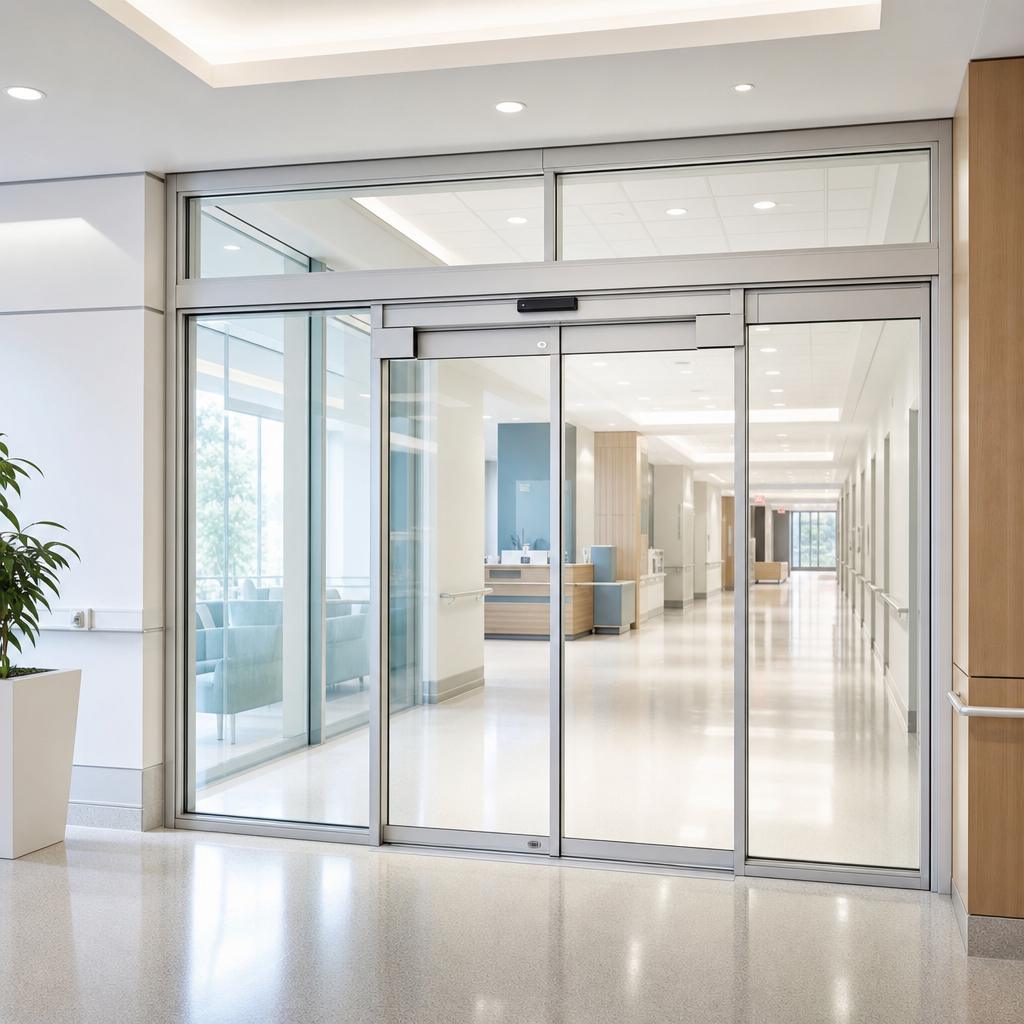
The term bulletproof glass is a misnomer. Bullet resistant glass options and ballistic materials are tested to UL 752 standards across levels 1–8. Level 3 ballistic materials are commonly used in hospital security, and level 3 or 4 ballistic materials are recommended for hospital security barriers in high-risk areas. Level 3 ballistic materials stop multiple shots from handguns. Bullet-resistant glazing can stop multiple shots from handguns while maintaining structural integrity.
Impact Security’s BulletShield retrofit system mounts a UL 752-tested polycarbonate composite shield over existing glass. Priority locations include emergency department entrances, main lobby reception desks, hospital pharmacy counters handling prescription drugs, and security control rooms. Riot Glass is ideal for emergency rooms and pharmacies where staff need protection without sacrificing the ability to monitor patient and visitor activity.
Key Hospital Areas That Benefit Most from Security Glazing
Hospitals are not uniform. Each department requires a different glazing strategy aligned to its unique risk profile and operational needs.
Emergency Departments and High-Risk Entrances
Emergency departments are the highest risk areas in hospitals, with 24/7 access, emotionally charged patients and visitors, and intoxicated or aggressive individuals. Nearly one-quarter of emergency department shootings involve weapons taken from security officers, making physical barriers at triage and registration critical. Bullet resistant and forced-entry resistant hospital security windows at ED check in desks protect staff from physical assaults while maintaining clear communication through integrated speaking ports and pass-through trays.
Behavioral Health Units and Patient Safety
Behavioral health units require containment glazing that balances patient and staff safety with a therapeutic, non-institutional appearance. For psychiatric units, specialized glazing must be anti-ligature to prevent self-harm. Secure observation windows let clinicians monitor patient conditions without bars. Resident rooms need glazing that resists breakage for escape or contraband passage. Impact Security works with behavioral health architects to meet both security and clinical goals, preserving patient dignity and natural daylight.
Pharmacies, Medication Rooms, and Controlled Substances
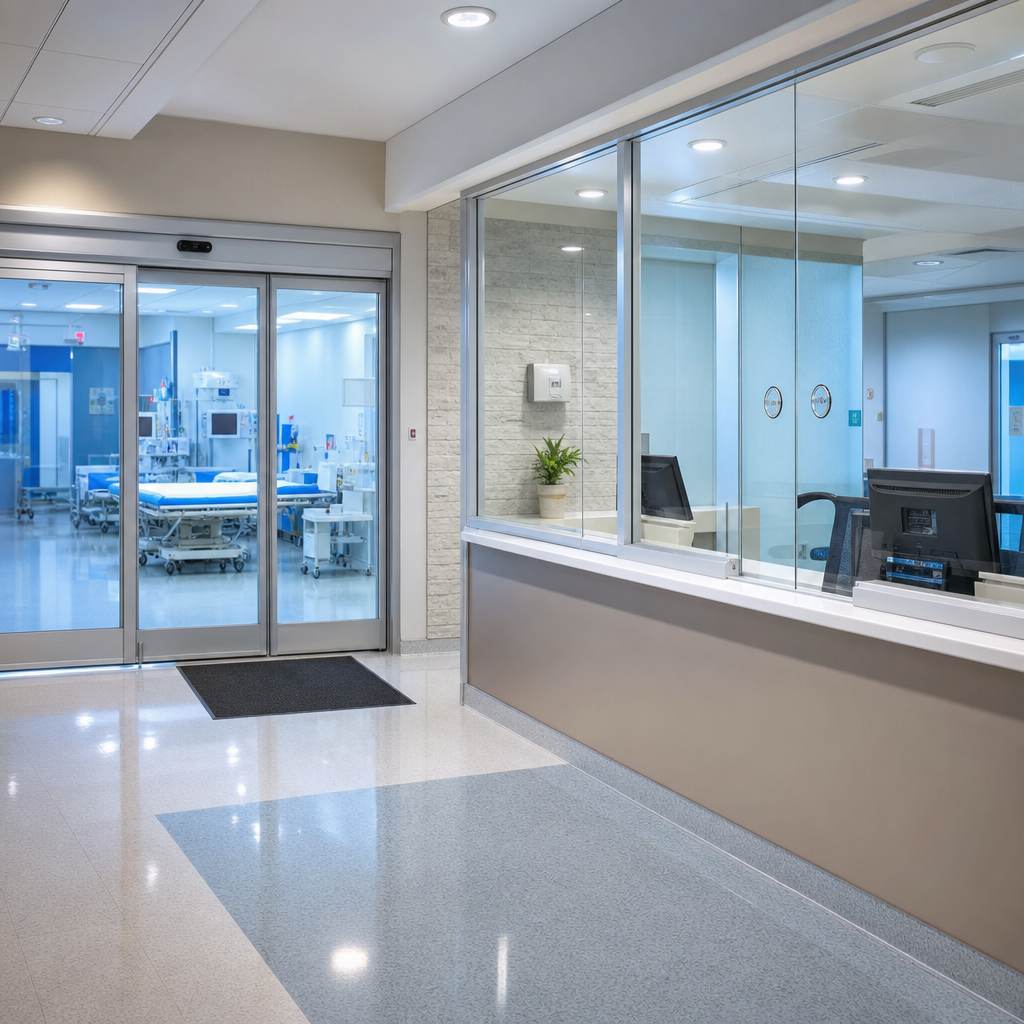
Pharmacies are prime targets for aggressive behavior due to medication handling and the desire to steal prescription drugs. Forced-entry and bullet resistant glazing at pharmacy counters, combined with reinforced side doors and custom pass-throughs sized for medication totes, creates a secure envelope. Integration with access control systems ensures glazing and doors function together.
Reception, Check In Desks, and Administrative Areas
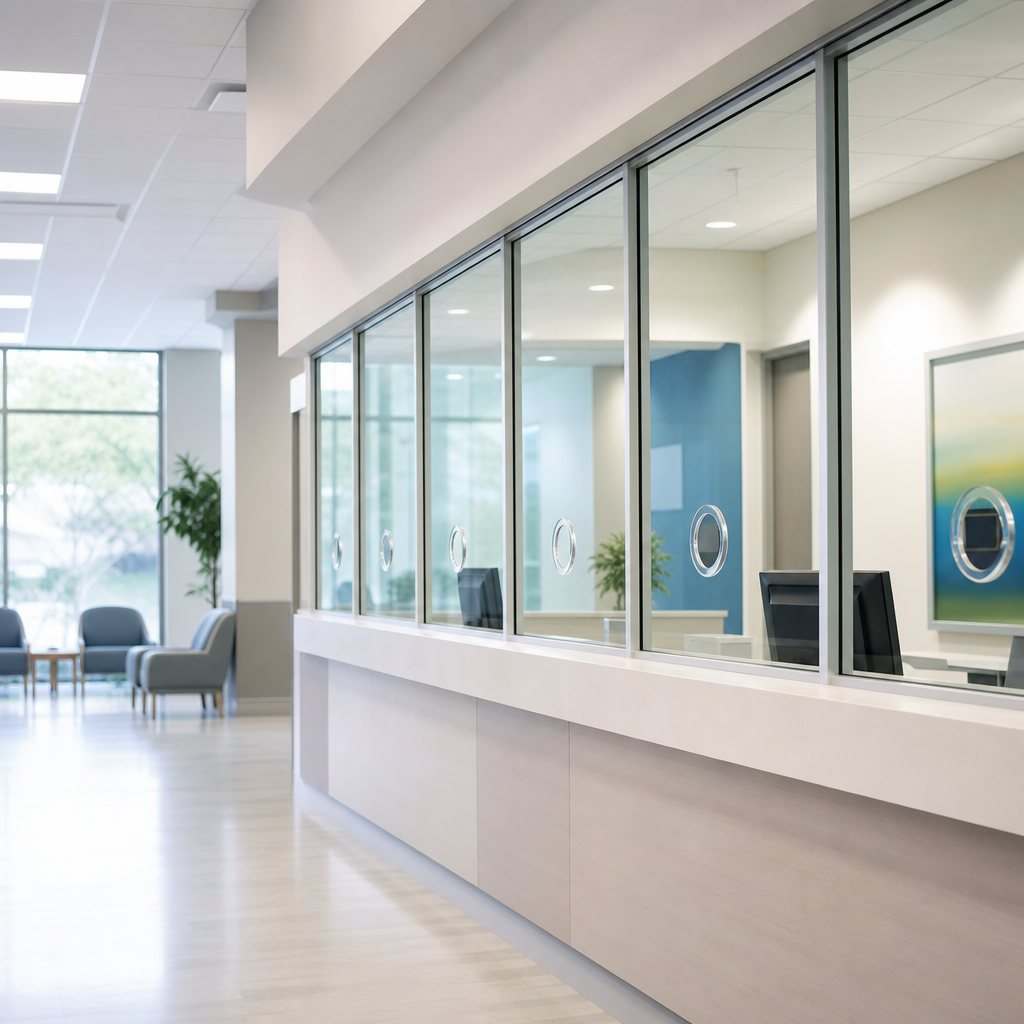
Reception desks are often the first point of contact for frustrated visitors experiencing patient confusion or perceived neglect. Waiting areas can become chaotic during long wait times, increasing risks of emotional trauma for staff. Barriers must block face-to-face pathways where 6 feet distance isn’t possible. OSHA recommends physical barriers to reduce workplace violence risks in these high traffic areas. Retrofitted security glass at registration and billing windows creates a safer environment without making the space feel institutional.
Retrofit vs. Replacement: How Hospital Security Glazing Projects Work
Most healthcare facilities assume hospital security windows require full replacement and long shutdowns. Impact Security specializes in commercial retrofit security window systems that mount over existing glass and frames. Riot Glass can be retrofitted onto existing windows and doors, dramatically reducing cost, construction debris, and infection-control risk.
The typical project follows these steps:
- On-site security assessment and threat analysis by department
- Review of existing framing, mullions, and wall construction
- Selection of DefenseLite overglaze or BulletShield configuration and UL level
- Engineering, shop drawings, and infection-control approvals
- Fabrication at Impact Security’s centers in Marietta, GA and Glendale, AZ
- Installation by certified installers, staged by floor or wing to minimize disruption
- Post-install inspection, staff orientation, cleaning protocols, and warranty handoff
Retrofits cost significantly less per opening than full replacement, install faster, and allow future upgrades without re-doing surrounding construction.
How to Choose the Right Hospital Security Glazing Level
Not every opening needs bullet resistant glass. When choosing security glazing, assess threat levels and match the glazing to the application. A three-stage framework helps healthcare professionals prioritize:
- Identify threats: workplace violence, active shooter, forced entry, self-harm, contraband
- Map threats to hospital zones: emergency departments, behavioral health, pharmacies, admin offices
- Assign protection tiers: human impact-only, forced-entry resistant, or bullet resistant
Key decision factors include local crime trends, volume of patient and visitor activity, regulatory expectations, budget constraints, and need for phased rollouts across your network. An experienced partner helps you avoid common mistakes like over-securing low-risk areas while leaving emergency rooms under-protected, or relying solely on window film for threats requiring real resistant glazing.
Why Healthcare Facilities Choose Impact Security for Hospital Security Glazing
Impact Security is a specialist in retrofit security glazing for hospital safety, government buildings, education, and commercial environments, backed by a dedicated team of security glazing experts. Key differentiators include:
- U.S.-based fabrication with rapid lead times for healthcare projects
- DefenseLite and BulletShield systems independently tested for forced entry and UL 752 ballistic performance
- Turnkey service: assessment, engineering, manufacturing, installation, and support nationwide
- Deep experience in occupied, infection-sensitive environments working around patient care and medical procedures
- Custom engineering for complex hospital openings including curved curtain walls and legacy frames
- Solutions that integrate with existing access control, visitor management, and surveillance systems
- Virtually invisible retrofits that preserve branding, wayfinding, and natural daylight
Impact Security has completed thousands of installations across hospitals, outpatient clinics, behavioral health centers, and medical office buildings. Health administration leaders consistently report that protecting healthcare workers with upgraded glazing improves staff retention, reduces incident severity, and supports occupational safety goals.
Hospital Security Glazing FAQs
Is polycarbonate bullet-resistant glass safe for healthcare environments and easy to disinfect? Yes. Polycarbonate-based security solutions are compatible with standard hospital disinfectants and cleaning protocols. Surfaces are smooth, non-porous, and designed for infection-sensitive settings. Riot Glass can withstand physical impacts without shattering, eliminating the hazard of broken glass fragments.
How long does a typical hospital security glazing retrofit take per opening? Most openings can be completed in under an hour. Installations are staged by floor or wing during off-hours so departments remain open and patient care continues uninterrupted.
What UL 752 level do most hospitals choose for emergency departments and pharmacies? Most hospitals specify Level 3 for handgun protection at ED reception and pharmacy counters. Facilities in higher-risk areas may select Level 4 for rifle-rated protection at exterior-facing openings.
How does security glazing interact with fire-rated assemblies and egress requirements? Specialized fire-rated glazing helps contain smoke and flames during emergencies. Impact Security engineers each installation to comply with local fire codes and egress requirements, ensuring retrofits do not compromise emergency exit pathways.
Can we start with a single department and expand later? Absolutely. Many hospitals begin with their emergency department or behavioral health unit, then expand to pharmacies, reception, and outpatient clinics as budgets allow. The retrofit approach makes phased implementation straightforward.
How does hospital security glazing compare to security window film? Security window film provides basic fragment retention but cannot stop bullets or resist sustained forced entry. Engineered polycarbonate shields deliver vastly higher resistance, mechanical anchoring, and long-term durability. Film is an ideal solution for low-risk openings, but high risk areas demand engineered glazing systems.
Will new hospital security windows make our facility look less welcoming? No. Modern security glazing is virtually invisible. Clear, low-reflective panels preserve sightlines, natural light, and a welcoming environment for patients and visitors. Addressing workplace violence should never come at the cost of patient experience.
What information do we need to get a budgetary quote from Impact Security? Provide your facility type, approximate building age, key problem areas, and the number of openings you want to protect. An Impact Security specialist can then schedule a virtual or on-site walkthrough to develop a tailored recommendation.
Have additional questions specific to your facility? Contact Impact Security for a consultative conversation about your unique security solutions needs.
Next Steps: Schedule a Hospital Security Glazing Assessment
Protecting healthcare workers and creating a safer environment for patient care starts with understanding where your facility is most vulnerable. Impact Security offers free, no-obligation hospital security glazing and glass reinforcement assessments for hospitals, behavioral health centers, and outpatient clinics nationwide.
- Gather basic information: facility type, building age, and key problem areas like emergency departments, pharmacies, or check-in desks
- Schedule a virtual or on-site walkthrough with an Impact Security specialist
- Prioritize openings and departments for phased upgrades based on risk and budget
- Receive a written proposal with recommended systems and an estimated timeline
Request your free estimate today. Improved hospital security, better protection for registered nurses and healthcare professionals, reduced risk of forced entry, and a more resilient care environment are within reach.