Table of Contents
Why Government Building Security Glazing Can’t Wait
Key Threats to Government Buildings and Why Glass Fails First
Security Glazing Options: From Forced Entry Protection to Bullet Resistant Glass
Retrofitting Existing Windows and Doors in Government Buildings
Planning a Government Building Hardening Project: Process, Timelines, and Cost Drivers
Key Benefits of Security Glazing for City Halls, Courthouses, and Other Facilities
Why Choose Impact Security for Government Building Security Glazing
Frequently Asked Questions About Government Building Security Glazing
Next Steps: Hardening Your Government Building’s Glass Openings
Introduction: Why Government Building Security Glazing Can’t Wait
During the 2020–2024 wave of civil unrest across cities like Portland, Minneapolis, and Sacramento, glass at city halls and courthouses was consistently the first failure point. Standard windows shattered within seconds of contact with bricks and hammers, forcing emergency board-ups that cost millions and shut down essential public services for weeks. In 2025, over 120 break-ins were reported during LA protests alone-many beginning with a quick smash through unprotected perimeter glass.
In 2026, the biggest vulnerability in many government facilities is still standard annealed or tempered glass at entry points, reception areas, and public-facing offices. This standard glass offers virtually zero delay once struck. Security glazing changes that equation by providing forced entry protection, bullet resistant glass capable of stopping common handgun and rifle rounds, and blast-mitigating systems-many designed to retrofit over existing windows and doors without full replacement.
This article covers the key security threats government buildings face, the spectrum of security glazing options available, how retrofits work on existing windows, realistic costs and timelines, available grants, and how Impact Security’s DefenseLite and BulletShield systems integrate into a layered government building hardening plan.
Key Threats to Government Buildings and Why Glass Fails First
Government properties-from small city halls to federal courthouses and police stations-face overlapping security threats. Government buildings face threats from active shooter incidents, civil unrest, targeted vandalism, forced entry and burglary, and in some cases blast events. Government facilities face complex threats requiring specialized security solutions, and risk assessments help identify threats from civil unrest and active shooter incidents. Glass is almost always the weakest link in the perimeter because it breaks fast and provides immediate access once compromised.
Standard Glass vs. Rated Glazing
Conventional tempered or insulating glass shatters under a few seconds of hammer strikes, losing all barrier function instantly. The result is shattered glass scattered across floors and a wide-open window opening for intruders. In contrast, forced entry resistant glazing and bullet resistant glazing are engineered to stay in the opening and deny access for minutes-sometimes fifteen minutes or longer-giving local law enforcement and security personnel critical response time.
Active Shooter and Ballistic Threats
Ballistic threats are a concern for courthouses and federal buildings where firearms are a credible risk. Active threats in municipal buildings, law enforcement reception areas, and court administration offices can escalate in seconds. Bullet resistant glass rated to UL 752 standards can stop multiple rounds from common handguns-for example, UL Level 3 bullet resistant glass stops three rounds from a .44 Magnum. Ballistic glazing is engineered to withstand specific firearm threats and can delay an attacker’s progress significantly during active threats.
Civil Unrest, Riots, and Politically Motivated Vandalism
Civil unrest can lead to vandalism and property damage, and ground-floor windows, storefront-style entries, and lobby glass are the first targets during protests and riots. Over 120 residential break-ins occurred during LA protests in 2025, demonstrating how quickly unprotected glass becomes a liability. When city halls and courthouses are boarded up for extended periods, public services halt, court proceedings are delayed, and elected officials face difficult questions about preparedness. Bullet resistant windows withstand multiple impacts during civil unrest, keeping building occupants safe and operations running.
Forced Entry, Burglary, and Smash-and-Grab
Government buildings are vulnerable to forced entry and burglary, especially after hours. Records rooms, IT spaces, finance offices, and areas containing valuable equipment are accessed by breaking perimeter door glass or windows. Forced entry protection is about delay time-making the break-in sufficiently difficult that detection, alarm, and response can happen before unauthorized entry is achieved. Security glazing can delay forced entry for 15 minutes or longer, a critical window for security systems to trigger and responders to arrive.
Weather and Blast Considerations
Some government campuses-particularly federal buildings and critical infrastructure sites-must also consider blast and storm impacts. Blast mitigation glazing reduces the risk of injuries caused by flying glass shards during explosions. Blast-resistant glazing absorbs and dissipates energy from explosions and is designed to stay in the frame, reducing casualties even when the primary design focus is man-made threats. Security glazing protects against threats like vandalism and blast incidents simultaneously, making it a practical investment for multi-hazard environments.
Security Glazing Options: From Forced Entry Protection to Bullet Resistant Glass
There is no single “bulletproof glass.” Instead, security glazing options exist on a spectrum-from containment-grade forced entry resistant glazing to UL 752-rated ballistic grade glazing. Professionals use the terms “bullet resistant” and “forced entry resistant” rather than “bulletproof” or “unbreakable” because every system has defined performance limits tied to specific test standards. Security glazing can be tailored to meet specific risk levels, and the right choice depends on the threats your facility actually faces.
Forced Entry Resistant Retrofits
Systems like DefenseLite use clear polycarbonate or glass-clad polycarbonate shields mounted over existing windows and doors. Polycarbonate glazing is a high-impact-resistant plastic that is stronger than glass-riot glass is up to 250 times stronger than standard glass. These systems are designed to withstand repeated attacks with bats, hammers, thrown objects, bricks, and crowbars. Durable materials in security glazing are designed to withstand high-impact threats, and high-security glazing resists impacts from objects, providing vandalism protection.
Typical use cases include city halls, tax offices, permit counters, and public lobbies where ballistic threats are lower but vandalism, break ins, and civil unrest are common concerns. Security window film is another option for preventing forced entry at lower cost-security window films can reduce flying glass fragments and delay forced entry attempts, though films are not equivalent to multi-layer ballistic systems.
Bullet Resistant Glass and Glazing
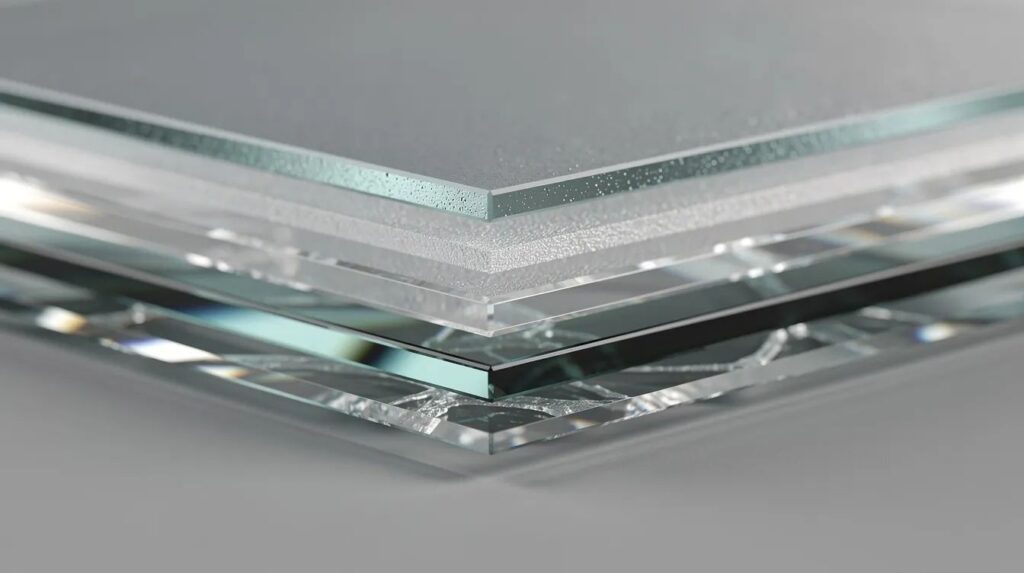
BulletShield-type systems use multi-layer laminated glass and glass-clad polycarbonate to distribute bullet energy and stay anchored in the frame. Laminated glass consists of multiple glass panes bonded together with interlayers. Laminated security glass creates a barrier that is harder to break than standard glass, and laminated security glazing holds broken pieces together, reducing injury risk from shattered glass. Bullet resistant glazing can withstand specific levels of ballistic force, and UL Level 3 can stop three rounds from a .44 Magnum.
| UL 752 Level | Threat | Typical Government Use |
|---|---|---|
| Level 1–3 | Handgun threats (9mm to .44 Magnum) | City halls, clerk windows, transaction windows, court offices |
| Level 4–8 | Rifle threats (.30 cal to 7.62mm) | Federal buildings, high-risk law enforcement, sensitive areas |
Bullet resistant materials must be paired with equally rated framing and anchorage. The performance of security glazing depends on the complete glazing assembly including framing-a strong pane in a weak frame provides inadequate protection. Security glazing systems must ensure the entire assembly is resistant to penetration.
Interior Transaction and Reception Protection
Inside government buildings, transaction windows, service counters, and interview rooms where staff interact with the public also need additional protection. Ballistic and forced entry resistant glazing at these points can include integrated speaking ports and pass-through trays that maintain everyday usability while protecting building occupants from active threats. These interior systems are particularly critical in courthouses, police stations, and social services offices.
Blast and Riot Protection
The same polycarbonate-based systems used for riot glass can help mitigate pressure and debris from localized blasts, reducing injuries from flying glass shards in federal buildings and critical facilities. Blast-resistant glazing is designed to stay in the frame during explosions, and ballistic grade glazing protects against vandalism and physical attacks. Security glazing is part of a layered physical security strategy in government buildings, combining protective properties with energy efficiency and natural light.
Retrofitting Existing Windows and Doors in Government Buildings
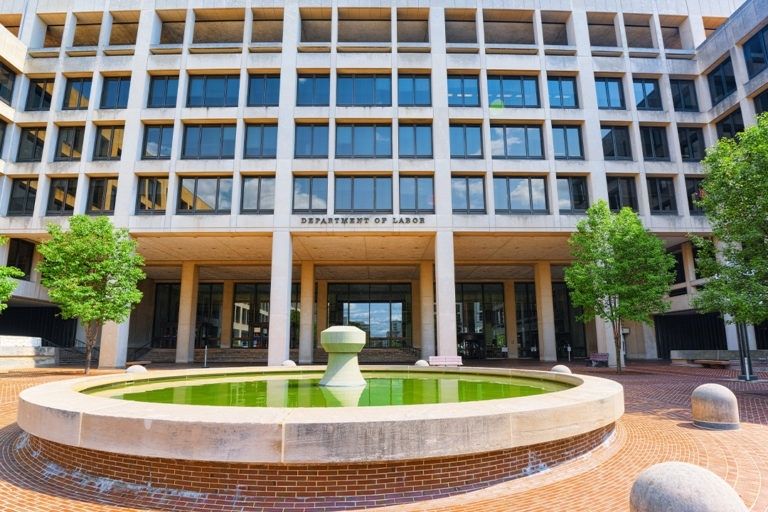
Most government buildings-many decades old-have extensive existing windows. Full replacement is disruptive, expensive, and often unnecessary. Retrofit security glazing is the practical path for many government facilities, allowing upgrades without tearing out existing frames or triggering large-scale renovation.
How Retrofit Systems Work on Existing Windows
Retrofit systems such as DefenseLite security glazing add a secondary protective shield over the original glass using surface-mounted or compression-fit sub framing. Each panel is custom-fabricated to each window opening and installed with minimal disturbance to interior finishes and exterior facades. The retrofit frame anchors to the surrounding structure, and where necessary, reinforcement of existing frames is added to handle impact forces. Security glazing allows for natural light while providing protection-modern systems use low-distortion clear optics and slim-profile framing that look nothing like institutional armor.
Protecting Key Entry Points and Public Zones
Priority locations for government building hardening include main entrances, side doors used by staff, lobby curtain walls, ground-floor offices, and glass around reception and security checkpoints. Hardened vestibules combine forced entry resistant panels, bullet resistant glass, reinforced doors, and controlled access control systems to create layered entry protection. These secure areas function as a buffer: visitors pass through a controlled enclosure before entering the main building, creating a perimeter security layer that protects the rest of the facility.
Historic and Architecturally Significant Buildings
Many city halls and courthouses are historic buildings with protected facades. Retrofit glazing frames can be color-matched, configured with minimal drilling, and installed reversibly so original wood or metal frames are preserved. This approach satisfies preservation requirements while adding modern ballistic protection and forced entry protection to buildings that are often the most publicly visible government properties.
Integration with Building Security Systems
Glazing upgrades should be coordinated with access control, cameras, intrusion detection, lockdown procedures, and door hardware. Security glazing is critical for government buildings to balance security needs and public transparency, and it complements rather than replaces security systems, security personnel, and trained response teams.
Planning a Government Building Hardening Project: Process, Timelines, and Cost Drivers
Clear planning helps facility managers secure funding, stakeholder buy-in, and realistic timelines. Effective security planning starts with a detailed risk assessment, and the process follows a predictable path from assessment to installation.
Step-by-Step Process
- Site assessment and risk review: Walk-through to document all glass entry points, public-facing windows, interior partitions, and critical infrastructure. Risk assessments evaluate building layout and potential vulnerabilities. Assessing threat levels is crucial for implementing effective security measures.
- Threat definition and product selection: Most city offices require Level 3 protection against handgun threats. Federal agencies may need Levels 4 through 8 for higher-caliber firearms. Match threat definitions to standards like UL 752 and ASTM F588.
- Engineering and fabrication: Custom manufacturing at dedicated facilities-Impact Security operates fabrication centers in Marietta, GA and Glendale, AZ.
- Installation: Installation should occur during non-peak hours to minimize disruption. Phased rollouts by floor or wing keep essential services like police stations and 911 centers operational throughout.
Typical Timelines
- Small municipal office (a few entry points): approximately 4–6 weeks from order to completion
- Mid-sized city hall or courthouse wing: 3–6 months depending on phasing, approvals, and historic reviews
- Full facade or campus-wide upgrade: 12–18 months with public bidding and structural modifications
Cost Drivers
Ballistic window upgrades start at $4,000, while secure vestibules may cost $30,000 or more. Material choice significantly influences security upgrade costs, and UL rating levels affect the overall project budget. Costs vary based on building size and complexity, number of openings, type of existing frames, and whether structural reinforcement is needed. Retrofit systems are typically far less expensive than full window replacement and don’t trigger costly repairs to surrounding walls and finishes, while energy-efficient security glazing solutions can also reduce operating costs.
Grants, Funding, and Procurement
Many agencies leverage DHS/FEMA and state-level grants aimed at physical security and active threat mitigation. FEMA’s Nonprofit Security Grant Program allocated $274.5 million in FY 2025, with up to $150,000 per facility for physical security improvements. The General Services Administration’s PBS P-100 standard requires UL 752 ratings to be specified in design documents for federal buildings. Security glazing helps prevent unauthorized access and reduces repair costs from vandalism, making the ROI case straightforward for budget approvals.
Key Benefits of Security Glazing for City Halls, Courthouses, and Other Facilities
The key benefits of security glazing extend well beyond stopping bullets or bricks. When tied to mission continuity, staff safety, and public confidence, the investment case becomes clear.
- Life safety: Ballistic grade glazing helps protect against active shooter incidents and buys critical time during violent attacks, improving outcomes when combined with training and local law enforcement response. Security glazing can delay forced entry for critical response time.
- Operational continuity: Hardened glass prevents building closures after riots or break ins. Instead of weeks of boarded windows and relocated services, buildings remain open and functional-creating safer environments for staff and the public.
- Cost avoidance: Preventing repeated glass replacements, interior damage, theft of valuable equipment, and disruption to court or council proceedings eliminates costly repairs that compound over time.
- Public perception: Discreet security glazing signals preparedness without turning civic buildings into fortresses, which matters for public-facing agencies where transparency and openness are values.
- Energy and acoustic benefits: Many retrofit security systems combine protective properties with energy efficiency and noise reduction, cutting outside noise from traffic or protests and improving thermal performance.
Why Choose Impact Security for Government Building Security Glazing
Impact Security is a U.S.-based specialist in retrofit security glazing for government and critical infrastructure, operating B2B and B2G with nationwide coverage through certified dealers and in-house crews. Learn more about Impact Security, LLC and its mission.
- Government building expertise: Experience with city halls, police stations, courts, state agencies, and federal offices where work must be done in occupied, high-security environments with minimal disruption to operations and preventing unauthorized entry throughout installation.
- Purpose-built product families: DefenseLite provides forced entry and riot protection for windows and doors, storefronts, and curtain walls, while DefenseLite Pro impact security glazing is engineered for higher-threat applications. BulletShield delivers retrofit bullet resistant glass at UL 752 Levels 1–8 for ballistic protection against handgun threats through rifle-caliber rounds.
- Turnkey service: From threat-informed recommendations through engineering, custom fabrication, and installation, Impact Security simplifies procurement for public agencies-including specification support, shop drawings, and documentation for RFPs.
- Retrofit focus: Strengthening existing windows instead of full tear-outs preserves building aesthetics and historic elements while delivering modern entry protection and preventing forced entry.
- Architect and facilities team support: Assistance with drawings, specifications, submittals, and coordination with other trades to integrate glazing into broader perimeter security or renovation programs.
Ready to assess your facility? Request a free security glazing assessment from Impact Security to get a no-obligation consultation tailored to your specific government building, threat profile, and budget.
Frequently Asked Questions About Government Building Security Glazing
These FAQs address common questions facility managers, security directors, and municipal leaders ask when exploring glazing upgrades for government buildings windows and sensitive areas.
What’s the difference between bullet resistant glass and forced entry resistant glazing for government buildings?
Bullet resistant glazing is tested under UL 752 to stop specific calibers and numbers of rounds-for example, UL Level 3 protection stops three rounds from a .44 Magnum. Forced entry resistant glazing is tested under ASTM standards for resistance to tools like hammers, crowbars, and battering rams, measured by how long it delays entry attempts. Courtrooms, transaction windows, and law enforcement areas typically need ballistic protection, while public lobbies and exterior glass often start with forced entry resistant glazing.
Can we retrofit security glazing onto our existing windows, or do we need full replacement?
Most city halls and older government buildings can avoid full window replacement. Retrofit systems mount directly over existing glass using custom sub framing that anchors to existing frames and the surrounding structure. The main exception is severely deteriorated frames that can’t support the additional protection-a site assessment will identify those cases.
What UL 752 level is appropriate for city halls and local government offices?
Most city offices require Level 3 protection against handgun threats. Federal agencies may need Levels 4 through 8 for higher-caliber firearms. The right level should always be tied to a formal risk assessment that evaluates your building’s specific threat profile, location, and function.
Will security glazing make our building look like a bunker?
No. Modern security glazing uses optically clear materials with slim-profile frames that can be color-matched to existing architecture. Security glazing allows for natural light while providing protection. Even historic buildings can receive discreet retrofits that preserve the original facade character.
How long does installation take and will we need to close the building?
A small municipal office might complete installation in 4–6 weeks. Larger projects are phased by wing or floor, with work scheduled during evenings and weekends. Police stations, 911 centers, and other critical facilities generally stay fully operational throughout installation.
Does security glazing replace the need for guards, alarms, and access control?
No. Security glazing is part of a layered physical security strategy in government buildings. It provides a physical barrier that buys time and complements access control systems, intrusion detection, security personnel, cameras, and lockdown procedures, working alongside other safety and security glass solutions to enhance overall protection. The glazing delays entry; the rest of the security systems detect, alert, and respond.
Next Steps: Hardening Your Government Building’s Glass Openings
Glass remains the first point of failure in most government buildings, but modern security glazing-especially retrofit systems-offers a fast, non-disruptive way to close that gap. Whether the concern is broken glass from civil unrest, forced entry after hours, or ballistic threats to building occupants during active shooter events, rated glazing systems deliver measurable protection without full window replacement.
Your action checklist:
- Conduct a walk-through to document all glass entry points, public-facing windows, and interior transaction areas
- Prioritize city hall lobbies, court entrances, police station reception areas, and records rooms for immediate assessment
- Engage a qualified security glazing provider like Impact Security for a no-obligation consultation and estimate
Contact Impact Security today to discuss your specific facility, timelines, and budget. With certified installers across the United States and fabrication centers in Georgia and Arizona, Impact Security can help you move from assessment to installation on a timeline that works for your agency-because proactive upgrades today protect staff, visitors, and operations during tomorrow’s threats.