Table of Contents
Introduction: Why Security Glazing Can’t Wait
The 2026 Threat Landscape for Government Buildings
Core Types of Security Glazing
Forced-Entry Protection at Entry Points
Ballistic Protection and Bullet Resistant Glass
Fire-Rated Glass and Fire-Rated Glazing
Blast and Civil Unrest Protection
Retrofitting Aging and Historic Buildings
Key Codes and Standards for Security Glazing
How a Security Glazing Project Works
Common Mistakes to Avoid
Why Choose Impact Security
Frequently Asked Questions
Conclusion and Next Steps
Introduction: Why Security Glazing for Government Buildings Can’t Wait
During the 2020 civil unrest in Minneapolis–Saint Paul, over 1,300 properties were damaged, including city halls and police precincts where unprotected glass doors and windows became the fastest breach point. More recently, over 120 residential break-ins occurred during LA protests in 2025, underscoring that vulnerable glass remains a magnet for opportunistic intrusion and politically motivated vandalism.
Security glazing for government buildings is a composite approach that combines forced entry resistant glazing, bullet resistant glass, blast-mitigating systems, and fire rated glazing into a coordinated defense for federal buildings, courthouses, city halls, police stations, and municipal offices. Many U.S. government buildings average 45 to 55 years old, with standard glass and framing that predates modern forced-entry and ballistic standards. That makes glazing the weakest link in otherwise hardened facilities.
The threats are real and varied: forced entry attempts after hours, active shooter events at public counters, civil unrest targeting ground-floor windows and doors, bomb blast overpressure that sends flying glass into occupied spaces, and building fires where life safety depends on rated separations.
This article covers the core security glazing options available today, where upgrades deliver the most value, how retrofits work, the codes and standards that matter, and how Impact Security approaches government building hardening from assessment through installation.
The 2026 Threat Landscape for Government Buildings
The risk profile for government facilities has shifted dramatically since 2010. Protests around city halls and state capitols, courthouse incidents involving violent attacks on elected officials, and politically motivated vandalism at public buildings have all increased in frequency. Between 2020 and 2023 alone, insured damage from civil unrest across U.S. properties reached an estimated $1 to $2 billion, with glass breakage and storefront destruction accounting for a significant share.
Common scenarios break down by threat type:
- Civil unrest and rioting: Thrown objects like bricks, rocks, and bottles target ground-floor government buildings windows. Attackers use hand tools to breach glass doors and sidelites to gain interior access.
- Forced entry after hours: Opportunistic burglary with crowbars, sledgehammers, and pry bars targeting staff entrances, loading docks, and poorly secured ground-floor openings.
- Active threats: Active shooter events where ballistic protection at guard booths, clerk windows, and courtrooms becomes critical. Bullet resistant glazing can withstand multiple impacts during civil unrest and targeted firearm attacks.
- Blast incidents: Accidental explosions or intentional devices that generate overpressure waves, turning standard glass into flying shards that injure building occupants.
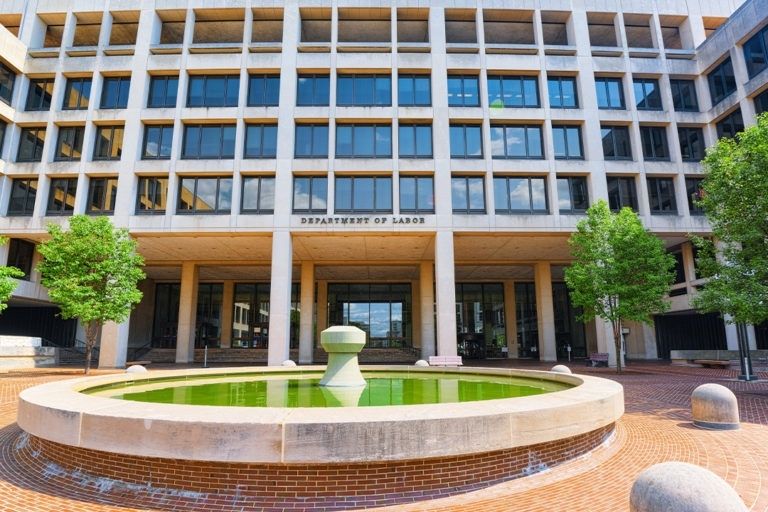
Glass and glazing systems remain the weakest link in perimeter security. Even when reinforced doors are installed with commercial-grade locks, adjacent sidelites, transoms, and curtain wall panels often fail first, giving attackers a bypass around otherwise secure entry points.
Threat levels vary by facility type. Courthouses and police stations face higher firearm risk. City halls and legislative chambers are symbolic targets. Federal agency buildings follow General Services Administration criteria that exceed typical local requirements. Across all types, keeping glazing intact helps maintain continuity of operations, protects sensitive information, and allows emergency responders to manage crises without full evacuations.
Core Types of Security Glazing Used in Government Facilities
Security glazing is an umbrella term, not a single product. It covers a spectrum of technical glass products engineered for different threat levels and building applications. Understanding the categories helps facility managers and security professionals match solutions to actual risks rather than relying on vague marketing claims.
Main categories include:
- Forced entry resistant glazing: Polycarbonate shields, laminated security glass, and retrofit panels designed to resist sustained tool attacks. Polycarbonate glazing is up to 250 times stronger than standard glass and stays in the opening even after repeated impacts.
- Bullet resistant glass and ballistic grade glazing: Multi-layer assemblies rated under UL 752 standards for specific firearm calibers and shot counts, from handguns through high-powered rifles.
- Blast resistant glazing: Laminated and polycarbonate systems engineered to contain flying shards and remain intact under explosive overpressure.
- Fire rated glazing systems: Assemblies tested for fire-protective or fire-resistive performance, used in exit corridors, stairwells, and fire separations.
- Supplemental solutions: Security window film and security film products that enhance the strength of existing glass to prevent shattering. Security window glazing can also improve glass security and energy efficiency for lower-risk openings or budget-constrained projects.
It matters that “bullet resistant” describes tested performance levels, not an absolute guarantee. Government procurement officers should always request specific test reports and certifications rather than accepting generic claims about “bulletproof” or “shatterproof” glass.
Modern security glazing maintains high optical clarity and daylighting. Glass-clad polycarbonate combines the scratch resistance of glass with the impact strength of polycarbonate, avoiding a fortress appearance while delivering serious performance. Security glazing can also be customized to meet specific threat risk assessment requirements for each facility.
Retrofit systems like Impact Security’s DefenseLite Pro and BulletShield mount over existing glass and existing frames without full window replacement, making them especially practical for occupied or historic government buildings.
Forced-Entry Protection at Doors, Windows, and Other Entry Points
Forced entry protection is the first priority for most government buildings. Whether the concern is civil unrest, after-hours burglary, or politically motivated vandalism, the front door and surrounding glass are where breaches begin. Security glazing helps protect against vandalism and looting by turning what was once the easiest breach point into a significant barrier.
Typical forced entry attack methods against government facilities include:
- Repeated impacts with bricks, bats, crowbars, and sledgehammers against windows and glass doors
- Prying on existing frames, sidelites, and transoms adjacent to reinforced doors
- Targeting unprotected staff entrances, loading docks, and ground-floor curtain walls on upper floors and lower levels
Forced entry resistant products use multi-layer polycarbonate shields and laminated security glass with robust sub-framing designed to keep the panel in the opening even after surface cracking or deformation. Laminated security glass holds together when impacted, preventing easy entry by keeping broken glass bonded to its interlayer. Security glazing is designed to delay or prevent unauthorized access in high-risk locations, buying critical response time for alarms to activate and emergency responders to arrive.
ASTM F3038 tests forced entry resistance for security glazing by measuring how long an assembly survives sustained tool attacks. ASTM F1233 tests forced entry resistance using different impact and load protocols. Together, ASTM F3038 provides benchmarks that let specifiers compare products objectively rather than relying on marketing language.
Security glazing can delay forced entry for 15 to 30 minutes, transforming entry attempts from a seconds-long smash into an extended, noisy, and highly visible event. Security glazing can delay forced entry attempts for critical response time that makes the difference between a breach and a successful lockdown.
High-priority applications include:
- Secure vestibules in city halls
- Transaction windows at permit counters and revenue offices
- Public-facing entrances at courthouses
- After-hours lobbies at municipal service centers
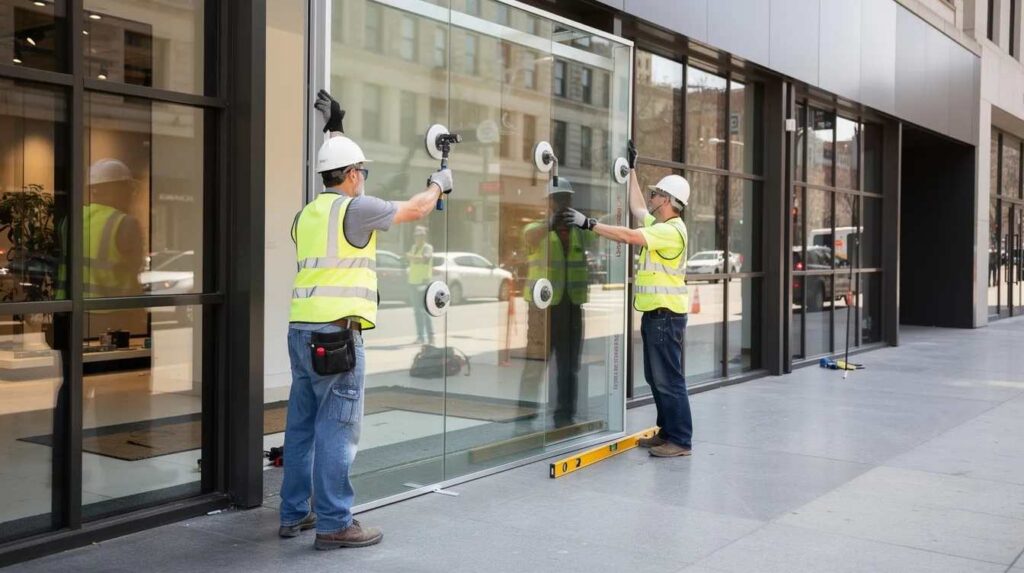
Impact Security’s DefenseLite retrofit systems install over existing government glass, creating a clear shield that prevents forced entry without altering the building’s appearance or requiring full window replacement.
Ballistic Protection: Bullet Resistant Glass for Active Threats
Ballistic protection addresses a different threat category: protecting building occupants and critical operations from firearm attacks, including active shooter incidents and targeted violence against elected officials.
Bullet resistant glass works through multiple layers of glass, polycarbonate, and specialized interlayers that absorb and disperse kinetic energy on impact. Ballistic grade glazing absorbs energy from impacts, reducing injury risk while maintaining a secure barrier. The panel cracks in a controlled pattern but does not allow penetration or dangerous spall on the protected side.
UL 752 standards rate ballistic protection for security glazing across Levels 1 through 8:
| UL 752 Level | Threat | Typical Government Application |
|---|---|---|
| Level 1–3 | Handguns (9mm through .44 Magnum) | City halls, municipal clerk counters, transaction windows |
| Level 4–5 | Higher-velocity handgun and submachine gun rounds | Courthouses, public safety lobbies |
| Level 7–8 | Rifle threats (5.56mm, 7.62mm) | Federal facilities, law enforcement centers, judicial chambers |
Bullet resistant glazing can withstand specific levels of ballistic force as defined by UL 752, meaning each level is tested against a set caliber, velocity, and number of rounds. Bullet resistant glazing is rated under UL 752 standards so government buyers can match the rating to their documented threat level.
Common applications inside government buildings include courtrooms and judge’s benches, clerk and cashier transaction windows, security guard booths, lobbies of police stations, and bullet resistant doors at secure zones within public safety hubs.
Bullet resistant glass and related riot glass solutions are up to 250 times stronger than standard glass, and modern glass-clad polycarbonate hybrids reduce weight while maintaining ballistic performance. Ballistic grade glazing can delay attackers during active threats, giving law enforcement time to respond.
Ballistic glazing should be part of a broader active threat mitigation plan that includes access control, lockdown procedures, and coordination with security professionals. It is a critical physical layer, not a standalone solution.
Impact Security’s BulletShield ballistic overglazing system is engineered to mount over existing glass, allowing government agencies to add ballistic resistance during renovations without replacing entire window systems.
Fire-Rated Glass and Fire-Rated Glazing in Government Buildings
Fire rated glass and fire rated glazing remain mandatory life safety components in government buildings, regardless of whether security is the primary driver. Security glazing must comply with local building codes, and fire rating requirements are among the most strictly enforced.
There are two performance tiers to understand:
- Fire-protective glass blocks flames and hot gases for a rated period, typically 20 to 45 minutes. Common in doors, sidelites, and borrowed-lite openings.
- Fire-resistive glazing systems also limit radiant heat transfer and can achieve 60 to 120 minute ratings. Required in walls, corridors, and stairwell enclosures where the building envelope must maintain full compartmentalization.
Traditional wired glass was the default fire rated option for decades but is now recognized as a safety hazard due to its low impact resistance. Modern alternatives deliver fire rating alongside impact safety, and some assemblies integrate fire performance with forced entry or even bullet resistant capability at specific openings like secured council chambers or evidence storage areas.
Specific applications in government facilities include:
- Stairwells and exit corridors in city halls and municipal offices
- Fire separations between public lobbies and back-of-house offices
- Interior windows around council chambers
- Fire-rated doors in justice centers and detention wings
Relevant codes include the International Building Code (IBC), NFPA 80 for fire doors, NFPA 101 for life safety, and test standards such as ASTM E119 and UL 10C. Specifiers must choose compatible fire rated frames and hardware. Mixing non-tested frames with rated glass invalidates the assembly and creates a life safety liability in high-occupancy public buildings where egress must remain code-compliant.
The key takeaway: life safety and security do not conflict when the correct multi-performance glazing solutions are specified from the outset.
Blast, Civil Unrest, and Shard Containment
Blast and heavy-impact hazards present a danger distinct from forced entry or ballistic threats. The primary risk is flying glass, which historically causes more injuries during explosions than the blast wave itself. Security glazing mitigates blast effects by preventing glass fragmentation during explosions, keeping shards bonded to interlayers and anchored within frames.
The 1995 Oklahoma City bombing demonstrated the scale of glass-related injury in government buildings. Lessons from that event directly shaped the General Services Administration and Department of Defense criteria now used to specify blast resistant glazing for federal and public safety facilities.
Laminated and polycarbonate glazing systems are engineered to stay bonded and anchored to the frame under blast loading, and must be specified in line with GSA/ISC blast resistant performance criteria. Laminated security glazing reduces injury from flying glass by keeping shards in place rather than projecting them into occupied spaces. Blast resistant glazing is engineered to withstand explosive shock waves and reduce hazards even when the panel itself cracks or deforms.
Civil unrest creates similar dynamics at a smaller scale. Large, repeated impacts from thrown objects and heavy tools can simulate localized blast effects on glass, making shard containment and panel retention as important as simple break resistance. Security glazing films can enhance the strength of existing glass to prevent shattering in these scenarios, providing an affordable solution for lower-risk openings.
Government sites where blast and shard containment are priorities include:
- Federal office buildings in urban cores
- Public safety complexes housing emergency operations centers
- Transit command centers and data hubs
- Any facility near potential explosive storage or industrial hazards
Not every municipal office needs full blast-rated glazing. But many benefit significantly from laminated or polycarbonate solutions that keep flying shards contained during both intentional and accidental events, reducing injury and helping government operations remain intact through extended periods of disruption.
Retrofitting Aging and Historic Government Buildings
Many U.S. federal and state buildings are 40 to 60 years old. City halls, courthouses, and legislative buildings are frequently historic structures with original wood or steel windows that cannot be easily replaced without triggering preservation compliance issues.
The challenge is clear: adding forced entry, ballistic, and fire-rated performance without altering historic facades, window profiles, or sightlines protected by preservation regulations. Security glazing in government buildings provides protection against forced entry and ballistic attacks, and modern retrofit approaches make that protection achievable without demolition.
Retrofit strategies include:
- Over-glazing existing windows with clear polycarbonate shields mounted in low-profile frames
- Compression-fit or sub-frame systems that clamp into existing openings without drilling or welding into historic steel or stone
- Interior-mounted panels that preserve exterior appearances while delivering modern forced entry resistance
Practical examples:
- Upgrading a 1930s city hall with forced entry resistant glazing on the main entry, council chamber doors, and ground-floor windows
- Adding ballistic transaction windows and secure counters to a historic county courthouse without replacing original mullions or stained glass

For government owners, retrofit systems offer reduced demolition and debris, shorter installation windows compatible with public meeting schedules, and fewer triggers for full code upgrades compared to gut renovations. They also create safer environments without compromising the architectural character that makes public buildings community landmarks.
Impact Security’s forced entry security glazing solutions work with a broad range of existing frames including aluminum storefront, steel, and wood. The company routinely coordinates with historic preservation boards and facility managers to balance aesthetics with performance.
Before consulting a security glazing specialist, facility teams should document existing conditions with photos and measurements to streamline design and approvals.
Key Codes, Standards, and Test Methods for Security Glazing
This section serves as a practical guide for architects, security directors, and facility managers specifying security glazing for government buildings, not a code book.
Standards organized by performance type:
| Performance Category | Key Standards | What They Measure |
|---|---|---|
| Forced entry and riot protection | ASTM F1233, ASTM F3038, ASTM F3561 | Duration and method of sustained tool attacks; combined ballistic + physical breach attempts |
| Ballistic protection | UL 752 (Levels 1–8), NIJ where applicable | Caliber, velocity, and number of test rounds the assembly must stop |
| Blast performance | GSA/ISC glazing criteria, ASTM F1642, UFC 3-340-02 | Overpressure resistance, fragment retention distance, anchorage integrity |
| Fire rating | IBC, NFPA 80, NFPA 101, ASTM E119, UL 10C | Fire exposure duration, hose stream survival, heat transmission limits |
Each category measures something different. Forced entry tests clock how many minutes an assembly survives under sustained attack. Ballistic tests fire specific rounds at defined velocities. Blast tests measure fragment travel distance under controlled overpressure. Fire tests expose assemblies to standardized flame and temperature curves.
Many government RFPs now reference these standards explicitly, particularly when specifying safety and security glass for windows and doors. Specifiers should avoid vague descriptions like “bulletproof glass” or “shatterproof” without rating details. Federal agencies including the General Services Administration, DHS, and DoD may impose additional project-specific criteria beyond baseline codes.
Early coordination with security glazing manufacturers like Impact Security helps ensure submittals meet those requirements without costly redesign. And facility managers should treat codes as minimum baselines. When protecting mission-critical operations, 24/7 call centers, or spaces with high public exposure, stepping up to higher performance tiers is a worthwhile investment in perimeter security.
How a Government Security Glazing Project Works
Government facility managers and procurement officers benefit from understanding the typical phases, timelines, and coordination points of a security glazing project. Here is how Impact Security structures the process:
Phase 1: Consultation and threat assessment A site walk with photographs, measurements, and discussion of active threats, civil unrest history, and operational priorities. This identifies which entry points, window systems, and interior separations need attention first.
Phase 2: Design and engineering Selection of forced entry, bullet resistant, blast, or fire rated glazing solutions for each opening. Frame and anchorage details are developed. Coordination with architects, security professionals, and authorities having jurisdiction ensures compliance.
Phase 3: Budgeting and phasing Prioritization of ground-floor openings, primary entry points, and critical interior separations like courtrooms and emergency operations centers. Phased plans let agencies spread costs across budget cycles.
Phase 4: Fabrication Manufacturing at dedicated facilities, including Impact Security’s fabrication centers in Marietta, GA and Glendale, AZ. Typical lead times range from weeks for standard forced entry systems to several weeks for custom ballistic or blast-rated assemblies.
Phase 5: Installation and commissioning Night or weekend work in occupied buildings, coordinated with security teams and operations staff. Retrofit systems dramatically reduce disruption compared to full window replacement since there is less demolition, shorter closures, and often no disturbance to interior finishes.
Phase 6: Training and documentation Maintenance guidance, warranty documentation, and emergency procedures related to glazing performance.
Schedule expectations:
- Small municipal projects (single city hall or police station): weeks
- Multi-building complexes or phased state agency upgrades: several months
The most effective projects integrate glazing upgrades with existing security measures including access control, alarms, and CCTV to create layered, cohesive forced entry protection rather than isolated products.
Common Mistakes Government Owners Make with Security Glazing
These lessons come from real government projects nationwide. Avoiding them saves budget and prevents gaps that compromise security.
Treating glass as an afterthought. Agencies invest heavily in reinforced doors, commercial locks, and camera systems while leaving adjacent glass completely unprotected. Attackers bypass the front door by breaking the sidelite next to it.
Choosing decorative or “shatterproof” glass without verified ratings. Not all products marketed as security glass perform the same. Always request test reports, certifications, and references from similar government projects.
Over-relying on security film where threats warrant containment-grade systems. Security film improves fragment retention but does not prevent forced entry or stop bullets. When threats include sustained tool attacks or ballistic threats, laminated or polycarbonate systems are necessary.
Hardening only the front door. Leaving sidelites, transoms, or adjacent windows unprotected creates obvious bypass routes. Protect the entire opening, not just the most visible panel.
Ignoring frame and anchorage strength. Upgraded glazing mounted in weak existing frames fails at the edges. Frame assessment must be part of every project.
Mismatching product to threat. Specifying ballistic glass where the threat is primarily forced entry wastes budget. Conversely, installing only forced entry glazing where firearm threats are credible leaves dangerous gaps.
The solution-focused approach: start with critical entry points and clerk stations, expand to secondary openings as budget allows, and involve a security glazing specialist like Impact Security before design is finalized to avoid change orders and procurement delays.
Why Choose Impact Security for Government Security Glazing
Impact Security is a U.S.-based manufacturer and installer specializing in retrofit forced entry, ballistic, and blast-mitigating glazing solutions for government, commercial properties, and institutional facilities. Learn more about Impact Security’s mission and expertise.
What makes Impact Security the right partner for government buyers:
- Deep B2G experience. Proven solutions for city halls, courthouses, law enforcement centers, and federal facilities across the country.
- Turnkey service model. Assessment, engineering, fabrication, installation, and ongoing support through certified dealers nationwide. One partner from start to finish.
- Retrofit without tear-out. DefenseLite, BulletShield, and related systems mount over existing windows and doors, making them ideal for occupied or historic buildings where full replacement is impractical, and DefenseLite product FAQs address common technical and installation questions for these systems.
- Standards compliance. Systems designed and tested to recognized standards for forced entry, ballistic protection, and blast mitigation. In-house and partner engineering teams are familiar with GSA, DHS, and IBC requirements. Clear documentation packages support procurement and regulatory review.
- Minimal downtime. Phased installation options, night and weekend work, and consistent optical clarity that supports transparent government architecture.
- Long-lifecycle support. Warranties and service that match the decades-long planning horizons of government facilities.
Impact Security offers a free initial assessment and estimate process. It is the fastest way to benchmark current risk at entry points and other vulnerable glazing locations and build a realistic, budget-conscious plan, including connecting with authorized DefenseLite and BulletShield dealers.
Frequently Asked Questions About Security Glazing for Government Buildings
These questions come up regularly from government facility managers, security directors, and architects evaluating security glazing options for public buildings.
How is forced entry resistant glazing different from standard safety glass?
Standard tempered safety glass is designed to break into small, less-harmful pieces on impact, but it fails in seconds under repeated attack. Forced entry resistant glazing is engineered to remain intact and stay in the opening under sustained assault. Multi-layer polycarbonate and laminated systems tested to standards like ASTM F3038 deliver minutes of resistance rather than seconds, which is critical for delaying intruders at government entry points while alarms activate and law enforcement responds.
When should a government building choose bullet resistant glazing instead of just impact-resistant?
Bullet resistant glazing is warranted wherever firearms are a credible threat. Courthouses, police stations, legislative chambers, and certain federal or military offices typically need ballistic protection. For many civil unrest scenarios without significant firearm risk, high-level forced entry protection may be sufficient and more cost-effective. A formal risk assessment should always guide the decision, matching the glazing rating to the documented threat rather than guessing.
Can security glazing be retrofitted onto existing windows and doors?
In most government buildings, retrofit systems can mount over or within existing frames, transforming standard glass into a forced entry or ballistic resistant assembly without replacing the base window. However, a structural review of frames and surrounding walls is necessary. Weak frames can undermine even the strongest glazing, which is why Impact Security includes frame assessment as a standard part of its process.
Does security glazing replace the need for guards, alarms, and cameras?
No. Security glazing is a physical delay and protection measure that makes electronic security and personnel response more effective. It increases the time and noise required to breach entry points, giving guards and emergency responders critical minutes to act. The strongest approach layers glazing with access control, surveillance, lighting, and trained staff procedures to handle active threats and civil unrest events.
Will security glazing make our government building look like a bunker?
Modern security glazing systems are optically clear and closely match the appearance of existing glass. They preserve natural daylight and the open, transparent feel that public buildings require. Impact Security designs slim-profile retrofit frames and clear shielding that blend with existing storefronts, curtain walls, and historic window details. Security window films are also recommended for school safety by commissions and similar bodies, and they are virtually invisible once applied.
How much does it cost to upgrade security glazing in a government facility?
Costs vary based on performance level (forced entry versus bullet resistant versus blast rated), size and number of openings, frame condition, and whether work is phased or completed at once. Many agencies start with a targeted approach, hardening primary entry points, clerk stations, and ground-floor glass, then expand as funding becomes available. Riot glass can withstand impacts 250 times stronger than standard glass, offering an affordable solution for high-risk openings. Impact Security offers budget-conscious phasing plans designed around government procurement cycles.
Conclusion and Next Steps: Hardening Glass While Government Stays Open
Security glazing for government buildings addresses the full spectrum of modern threats: forced entry, civil unrest, active shooter scenarios, bomb blast overpressure, and fire, while preserving the openness and daily operations that public trust requires. The right glazing solutions create safer environments without shutting government down.
Entry points, clerk stations, public lobbies, courtrooms, and emergency operations centers are typically the highest-priority locations to upgrade first. These are the openings where a breach has the greatest operational and human consequence, and where security glazing delivers the fastest return.
Moving from awareness to action starts with three steps:
- Conduct a basic inventory of glass openings and vulnerabilities across your facility
- Review existing threat assessments or recent incidents that exposed glazing weaknesses
- Schedule a consultation with Impact Security to explore forced entry, ballistic, blast, and fire rated glazing options tailored to your building and budget
Impact Security invites facility managers, architects, and security leaders to request a free estimate or connect with a certified installer to discuss project-specific needs. The next wave of civil unrest or active threat event will not announce itself. Strengthening your building envelope now protects the people inside and the continuity of government operations your community depends on.