Pharmacy storefront security glass refers to retrofit glazing systems, polycarbonate shields, and integrated shutters engineered to deny forced entry through existing windows, glass doors, and pharmacy counters. In 2026, with pharmacy burglaries and organized smash-and-grab rings accelerating nationwide, hardening your glass is no longer optional.
Table of Contents
Why Pharmacies Face Elevated Risk in 2026
How Standard Glass Fails Under Deliberate Attack
Retrofit Security Glazing Options for Storefronts and Counters
Shutters, Counter Closures, and Interior Barriers
Compliance With DEA, State Boards, and Fire Codes
Securing Pharmacy Storefronts in Northern California and Beyond
The Upgrade Process From Assessment to Installation
Frequently Asked Questions
Why Impact Security Is the Right Partner
Why Pharmacies Need Storefront Security Glass in 2026
The threat landscape for pharmacies has shifted dramatically. In 2023, the DEA reported nearly 900 burglaries involving theft of controlled substances, and opioid dosage units lost to theft climbed to 6.6 million in 2024. Retailers reported a 93% increase in shoplifting incidents from 2019 to 2023, and pharmacies sit at the intersection of high-value inventory and public accessibility.
High-value inventory such as pharmaceuticals needs extra protection. Opioids, ADHD medications like Adderall, and benzodiazepines remain among the most targeted items on the street.
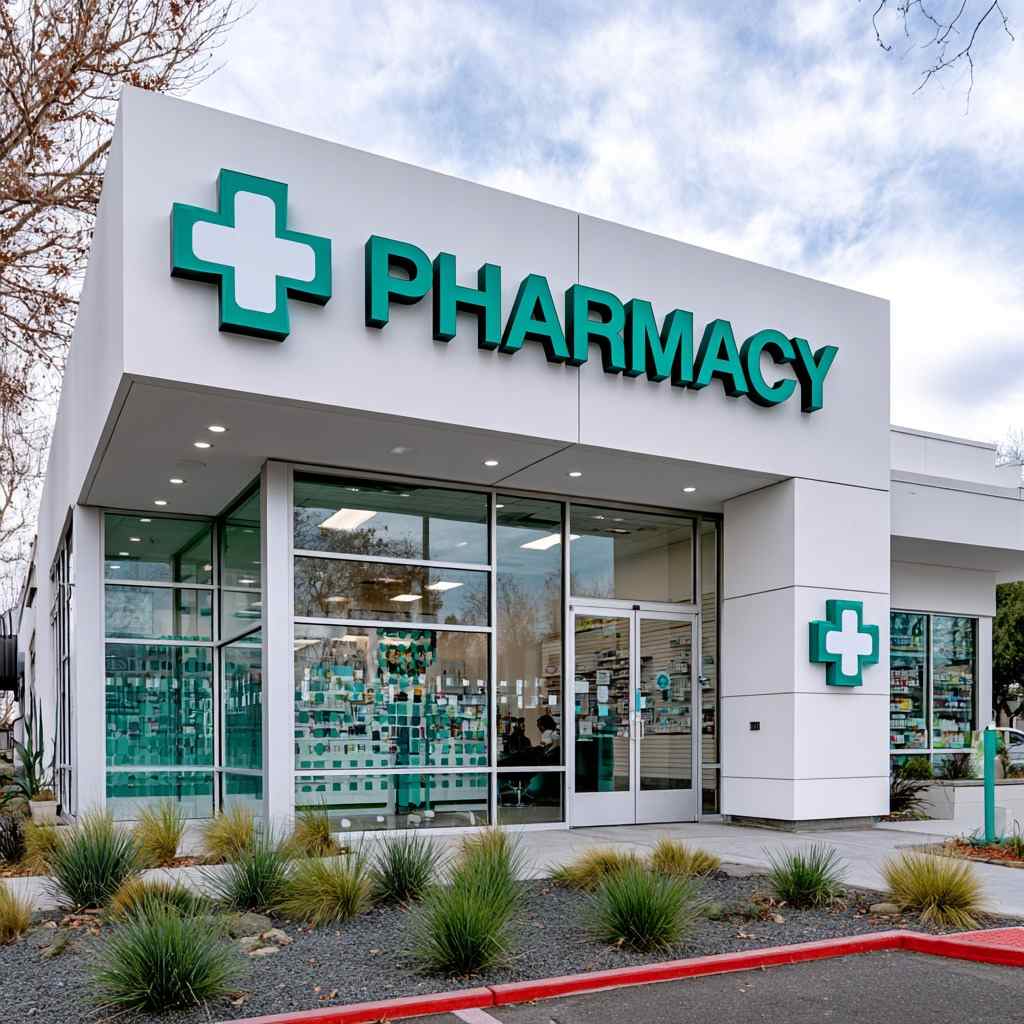
A pharmacy in a strip mall, grocery retail store, or hospital lobby exposes these assets behind glass storefronts that were never designed to resist a determined intruder.
Alarms and cameras document a crime. They do not stop it. Security glass provides protection against smash and grab thefts and vandalism by creating a formidable barrier that changes the cost-benefit calculation for criminals. It also enhances employee safety during robberies and violent incidents, giving staff critical minutes before responders arrive.
Every pharmacy has distinct entry points that need attention: front storefront windows, partially enclosed pharmacy counter glazing, back-of-house storage, and drive-through windows.
Pharmacy storefront security glass addresses all of these with forced entry resistant glazing, counter shutters, interior partitions, and sometimes ballistic-rated systems depending on the risk profile.
The Weak Points: How Standard Glass Fails in a Pharmacy Environment
Most existing glass in pharmacies was specified for safety and aesthetics, not for resisting deliberate attack. Tempered glass in doors and windows shatters into small cubes on impact. Once fractured, it leaves a wide-open hole. Heat treated glass behaves similarly, offering zero residual resistance after the first strike.
Laminated glass holds fragments together when shattered, which is an improvement. Laminated security glass is often recommended for pharmacy storefronts because it maintains some barrier quality. But under repeated blows from a hammer or crowbar, even laminated panels can be pushed through, especially when frames and hardware are weak. Aluminum mullions can be pried apart, standard door rails allow panels to be kicked out, and pharmacy counter windows are often thin and unprotected.
Over 60% of retail forced entries involve glass doors. That statistic tells you exactly where criminals focus. Glass at the pharmacy counter and interior transaction windows is frequently the easiest target, giving rapid access to controlled substances if an intruder hops the counter after breaching the glazing.
Standard glass also does little for noise reduction or patient privacy during an aggressive break in. And criminals now plan around alarm response times, aiming to complete a theft in well under two to three minutes. Standard glass cannot provide that level of delay, making a pharmacy without upgraded glazing an easier target.
Retrofit Security Glazing Options for Pharmacy Storefronts
Impact Security specializes in retrofit solutions that mount directly over existing glass, avoiding full window replacement and minimizing disruption to pharmacy operations. The goal is access denial: creating a clear physical barrier that resists forced entry long enough to make the break in fail.
Polycarbonate shields are the core of this approach, and engineered systems like DefenseLite that outperform traditional security window film demonstrate how effective retrofit shields can be:
- Polycarbonate is 250 times stronger than glass and provides top-tier impact resistance against bats, hammers, and crowbars
- Polycarbonate materials maintain 90% transparency for visibility, so the pharmacy retains natural light and curb appeal
- Panels mount over existing glass doors, sidelites, and storefront windows using vented extrusions and mechanical anchors
- The system is virtually unbreakable under typical smash and grab attack scenarios
- Polycarbonate shields are ideal for high-risk retail environments and are also used in government buildings for security
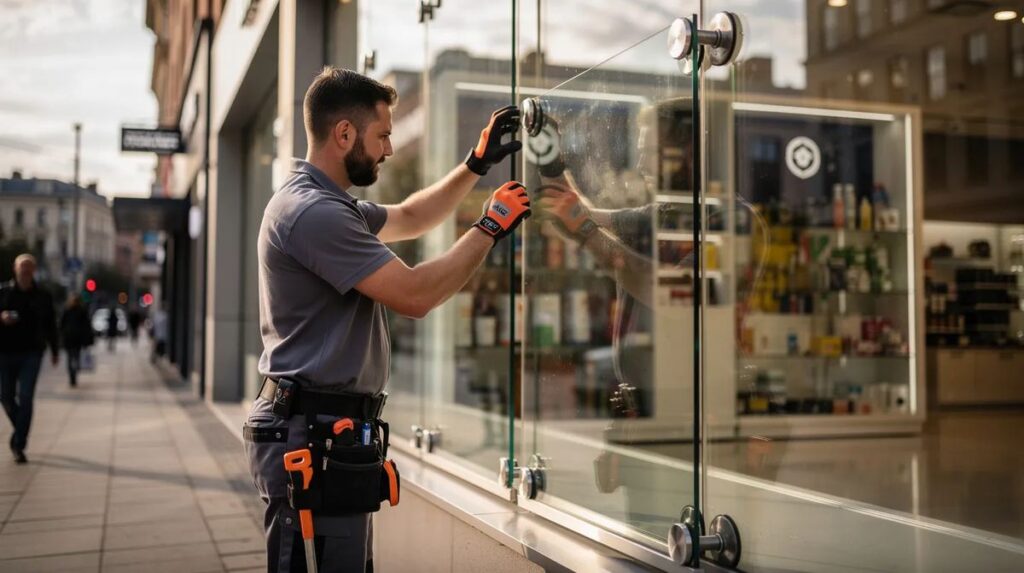
Riot glass products are designed specifically for high-level commercial security. Comprehensive advanced security glazing and protection systems can withstand sustained attacks for up to one hour, making them a strong option where threat levels are elevated.
For pharmacies in high-crime areas or co-located with emergency departments, ballistic-rated upgrades provide additional protection. Ballistic-rated glass can stop handgun rounds, and UL 752-rated options protect pharmacy cash wraps and drive-through windows against specific calibers, much like riot protective windows and doors designed for civil unrest in other commercial settings.
How do retrofit polycarbonate shields compare to alternatives?
| Option | Forced Entry Denial | Clarity | Cost | Disruption |
|---|---|---|---|---|
| Polycarbonate shields | High (250x glass strength) | ~90% light transmission | $45–$90/sq ft | Low (overnight install) |
| Security window film | Moderate (delays, doesn’t deny) | Excellent | Lower | Very low |
| Standard laminated glass | Moderate | Good | Moderate | Medium |
| Full glass replacement | High (if spec’d correctly) | Varies | High | High |
Security window film can delay intruders during a break-in, but it does not create full denial. It is a cost-effective upgrade for lower-risk locations, and solutions like RiotLite security glazing film offer enhanced shatter resistance and UV protection. Modern security glass allows for natural light in storefronts, and retrofit panels add benefits like noise reduction in busy plazas and improved energy performance from the air gap between the shield and the existing glass, along with UV protection that reduces fading of interior displays.
Storefront Rolling Shutters, Counter Shutters, and Interior Barriers
Glazing alone is often half the solution. Pairing security glass with secure closures creates a complete pharmacy security envelope, especially after hours. For many retail businesses, storefront glass protection strategies for riots and smash-and-grab events are an important part of this planning. Security glass can be part of a layered security strategy including alarms and surveillance, and shutters add visible deterrence on top of physical resistance.
Storefront rolling shutters and security shutters:
- Roll down shutters install over large windows and main entrances to block direct glass access overnight
- Options include solid, perforated, or vision slat profiles that balance security and visibility
- Security shutters create a physical barrier against forced entry, deterring smash-and-grab attempts before the glass is even reached
- Side folding grilles offer an alternative for locations where roll-down shutters are impractical
Counter shutters for the pharmacy counter: Additional bullet-resistant access control doors can complement these shutters in higher-risk layouts.
- Compact, vertically rolling shutters close off dispensing windows and transaction counters inside supermarkets, big-box retail storefronts, and hospital lobbies
- Available with integrated locks and fire-rated options to protect both inventory and life safety
- Prevents thieves from breaking the glass at the counter and reaching into controlled substance storage
Interior shutters and grilles provide secondary barriers between public zones and back-of-house drug storage, safes, and C-II vaults, securing Schedule II–V medications on racks and shelves, similar in intent to storefront security solutions for glass doors and windows used across broader retail environments.
Digital locks can be installed on existing glass doors and counter closures. Digital locks use heavy-duty deadbolt mechanisms for security, and high-end digital locks can interlock with strike plates for reinforced resistance. Digital locks provide real-time entry logs via smartphone apps, giving managers audit trails, and digital locks can integrate with existing alarm systems so forced entry on shutters triggers immediate alerts.
Push-button or key switch operation allows staff to secure the space in seconds at closing. Combining retrofit security glass with shutters on key openings provides layered protection at multiple entry points.
Designing Pharmacy Storefront Security Glass for Compliance and Workflow
Pharmacies are heavily regulated. Any changes to glass storefronts or counters must account for DEA, state board of pharmacy, and local building and fire codes.
Physical barriers directly support regulatory requirements. The DEA expects “effective controls against theft and diversion” of controlled substances under 21 CFR §1301.75. State regulations frequently require secured storage, locking devices, and after-hours separation between public retail space and the pharmacy area. Nevada, for example, mandates barriers of at least five feet of solid material to make controlled substances inaccessible to unauthorized persons.
Egress and life safety considerations:
- Retrofit glazing and shutters must preserve required exit widths and not trap occupants during emergencies
- Fail-safe or manual override options on motorized closures meet fire code and accessibility rules
Operational workflow matters:
- Clear polycarbonate shields preserve sightlines from the pharmacy counter into the store for supervision and customer service
- Drive-through pharmacy windows remain convenient but are reinforced against both smash and grab and grab-through attacks
- Perforated shutters at the front of the store allow customers to still see branding and interior lighting after hours, maintaining curb appeal
Impact Security coordinates with facility managers, corporate loss-prevention teams, and authorities having jurisdiction to ensure every system supports both security and compliance goals. Documentation for insurers and regulators is provided as part of the process, and the company also supports a national network for partners interested in becoming certified DefenseLite dealers.
Local Focus: Securing Pharmacy Storefronts in Northern California and Beyond
Risk profiles differ by region, and Northern California is an active market for organized retail crime affecting pharmacies and retail storefronts. Common settings include strip-mall pharmacies in suburban corridors, urban locations near transit hubs, and hospital pharmacies behind glass in medical office buildings.
Higher risk of coordinated break-ins in the Bay Area and Sacramento may justify thicker polycarbonate shields over existing glass plus additional interior counter shutters. Locations near wildfire or seismic zones also benefit from glazing systems that offer impact resistance plus environmental long-term durability.
One chain pharmacy in the region retrofitted its glass storefronts with polycarbonate access-denial shields and added counter shutters, reducing after-hours incidents significantly.
A medical campus pharmacy combined ballistic-resistant glazing at a cash counter with forced-entry-resistant shields on public-facing doors to protect both customers and staff, aligning with broader hospital security glass reinforcement solutions that safeguard healthcare facilities.
Impact Security works nationwide through certified installers but tunes solutions to specific municipal codes, landlord requirements, and local law-enforcement guidance, leveraging its role as a specialist in advanced security glazing and retrofit systems.
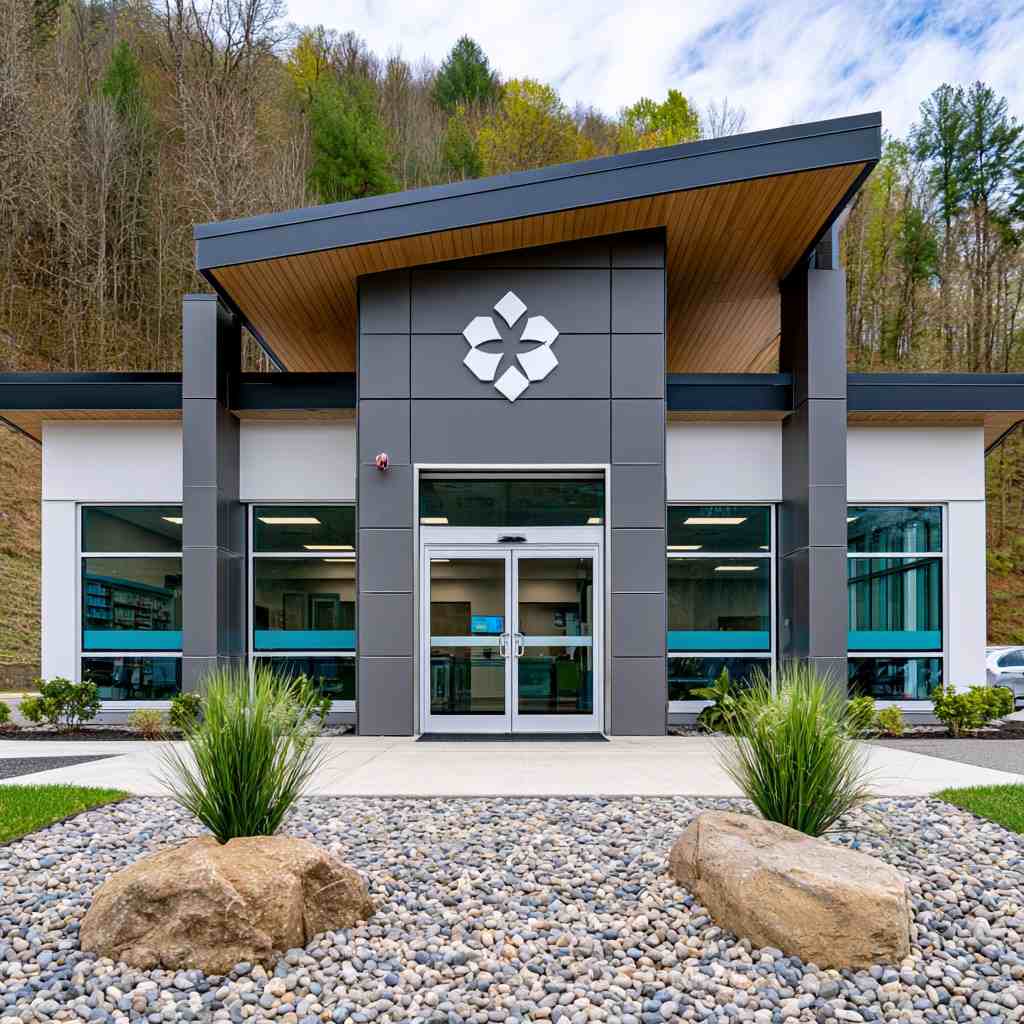
How the Pharmacy Security Glass Upgrade Process Works
The process is structured, fast, and designed to minimize disruption to dispensing operations and patient flow. Security glass can reduce damage and downtime after attempted burglaries, and a well-planned installation keeps things running smoothly.
Step-by-step:
- Site assessment: Impact Security or a certified dealer walks the building, documents all glass openings (storefront windows, glass doors, pharmacy counter, interior windows), and notes current weaknesses
- Risk and product matching: Choose between forced entry resistant polycarbonate shields, ballistic panels for specific zones, storefront rolling shutters, counter shutters, and interior barriers based on crime history, inventory types, and cost priorities
- Engineering and fabrication: Panels are engineered to fit existing frames with custom powder coating on frames and edge banding to match the existing storefront system
- Installation scheduling: Work is planned during off-hours; many projects are completed in one to three nights
- Install and testing: Retrofit glazing mounts over existing glass using proprietary framing and anchors. Staff is trained on shutter operation, hardware is tested with the alarm system, and documentation is provided
Because systems are retrofit, pharmacies avoid costly full remodels, permit delays, and extended downtime. This is a cost effective upgrade that keeps the shop open and the market for your services uninterrupted.
FAQs: Pharmacy Storefront Security Glass and Forced-Entry Protection
These frequently asked questions address common concerns about cost, installation on existing glass, effect on appearance, noise reduction, and insurance or compliance benefits.
Can I upgrade my existing glass storefront without replacing all the windows?
Yes. Retrofit security glazing installs directly over existing glass doors and storefront windows, creating a clear, forced entry resistant shield. The existing glass stays in place, reducing cost, mess, and downtime. This approach works on most standard aluminum storefronts, curtain walls, and interior pharmacy counter windows.
Will security glass and shutters make my pharmacy look like a fortress?
No. Modern pharmacy storefront security glass uses clear polycarbonate and low-profile frames that are nearly invisible to customers during the day. Perforated or clear shutters keep the store looking clean and professional after hours. Many clients report better brand perception than with traditional bars or steel grates.
How much forced-entry resistance do I really need for controlled substances?
Most smash and grab attempts last one to three minutes, so the objective is to prevent or significantly delay breach during that window. Impact Security can tailor systems from upgraded laminated glass plus security film to full polycarbonate shields and counter shutters based on crime data, inventory value, and insurance requirements.
Does upgraded pharmacy storefront glass help with noise reduction or energy savings?
Many retrofit shields create an additional air gap that naturally improves noise reduction from busy parking lots and traffic. This extra layer can also modestly improve thermal performance, reducing drafts at the pharmacy counter. The primary focus is security, but these side benefits matter in noisy retail environments.
How long does installation take, and will I need to close the pharmacy?
Many small to mid-size pharmacy storefronts can be retrofitted in one to three nights. Most work is scheduled when the pharmacy is closed to avoid impacting dispensing or customer service. Impact Security coordinates carefully with managers so controlled substances and records remain secure during installation.
Will my insurance provider or corporate office recognize these security upgrades?
Insurance providers may offer lower premiums for properties with security glass that demonstrably reduces break in risk. Impact Security provides product documentation, test data, and photographs to support insurance discussions and corporate security audits. Some clients have used these improvements to negotiate better terms or meet stricter corporate security standards.
Why Partner with Impact Security for Pharmacy Storefront Security Glass?
Impact Security focuses exclusively on high-performance security glazing and physical barrier systems for glass openings, with dedicated expertise in B2B and B2G environments like pharmacies, hospitals, and retail chains.
Key differentiators:
- Proven retrofit systems designed to protect existing glass in retail storefronts, pharmacy counters, and healthcare settings
- Nationwide network of certified installers plus fabrication centers in Georgia and Arizona supporting fast lead times
- Experience engineering solutions against forced entry, ballistic threats, and riot conditions without sacrificing aesthetics or visibility
- Polycarbonate shields that are virtually unbreakable and deliver resistance no standard glass can match
Turnkey support includes:
- On-site assessments and free consultation for single-location pharmacies and multi-site chains
- Engineering, fabrication, installation, and ongoing service from one team
- Documentation for corporate security teams, insurers, and regulatory reviews
The result: fewer successful break ins, better protection for controlled substances and staff, and a professional-looking pharmacy storefront that stays inviting for patients and customers.
Ready to secure your pharmacy? Request a free consultation and estimate for your specific locations, whether you operate in Northern California, across the country, or anywhere pharmacies face the modern threat of organized retail theft. Impact Security will walk your site, match the right solution to your risk, and deliver a system that protects what matters most.