- The Limits of Conventional Window Noise Blockers: A Deeper Look at Acoustic and Aesthetic Compromise
- Understanding Sound Transmission Through Fenestration: The Science Behind Acoustic Performance
- An Engineered Solution: How Security Glazing Acts as a Superior Noise Barrier
- Reframing the Challenge: From Noise Blocking to Comprehensive Fenestration Enhancement
- The Core Technology: Laminated Glass, Polycarbonate, and Interlayer Innovation
- The Retrofit Advantage: Enhancing Existing Structures Without Demolition
- Architectural Integration: Achieving Acoustic Control Without Compromising Design Aesthetics
- Measuring Performance: STC Ratings and Real-World Acoustic Attenuation
- Beyond Numbers: Translating STC and OITC Improvements into Tangible Quiet
- The Impact of Enhanced Acoustic Glazing Solutions on Interior Environments
- Comparative Analysis: Advanced Glazing vs. Traditional Noise Reduction Methods
- Setting New Standards: Benchmarking Superior Acoustic Performance in Fenestration
- Beyond Noise: The Compounding Benefit of Integrated Forced-Entry Protection
- A Dual Imperative: Addressing Both Sound and Security Challenges
- Fortifying the Building Envelope: Understanding Forced-Entry Resistance
- The Synergistic Advantage: How Security Enhancements Bolster Acoustic Isolation
- Strategic Investment: Maximizing Value Through Multi-Functional Patented Retrofit Security Systems
- Specification Without Compromise: Integrating Acoustic Performance and Design Integrity
- Conclusion: Long-Term Value of Retrofit Noise Reduction Glazing
- Frequently Asked Questions
The Limits of Conventional Window Noise Blockers: A Deeper Look at Acoustic and Aesthetic Compromise
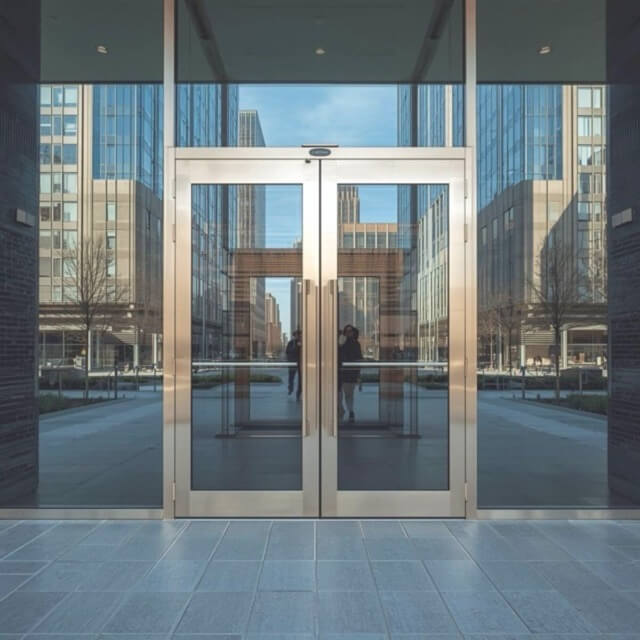

Understanding Basic Sound Transmission: How Noise Penetrates Fenestration
If you’ve tried every window noise blocker on the market and still hear traffic, construction, or street noise indoors, the problem may not be your windows alone — it’s the limitations of conventional soundproofing methods.
Effective acoustic attenuation begins with a fundamental understanding of how sound propagates and infiltrates building envelopes. Sound travels as pressure waves, requiring a medium to transmit energy. For fenestration, noise primarily enters through two mechanisms: airborne transmission and flanking transmission. Airborne sound, such as traffic or distant conversations, directly impacts the glass and frame, causing them to vibrate and re-radiate sound into the interior. Flanking transmission occurs when sound travels around the window assembly, through adjacent walls or structural elements, compromising the overall sound isolation of the opening.
The effectiveness of any barrier against sound relies on three core principles: mass, stiffness, and damping. Increased mass reduces vibrational amplitude, making it harder for sound waves to pass through. Stiffness, or rigidity, helps maintain the integrity of the barrier against sound pressure. Damping refers to the material’s ability to dissipate vibrational energy as heat, preventing it from being re-emitted as sound. Single-pane glass, common in many existing structures, inherently lacks sufficient mass, stiffness, and damping to effectively mitigate significant external noise.
Dissecting Common Approaches: From Soundproof Window Inserts to Heavy Drapes
In response to persistent noise pollution, many building owners and occupants often turn to conventional, ostensibly simple solutions. These typically include a range of stop-gap measures, each with inherent limitations that fall short of professional acoustic engineering standards.
- Acrylic or Glass Inserts: These involve fitting an additional pane of material inside the existing window frame, sometimes creating an air gap. While they add some mass, the air gap is often insufficient for broad-spectrum acoustic attenuation, and the sealing is rarely airtight or resilient. These are frequently marketed as soundproof window inserts.
- Heavy Drapes and Blinds: Textile-based solutions are often perceived as window noise blockers. However, their primary function is sound absorption within the room, reducing echo and reverberation. They offer minimal sound blocking capabilities against external noise as they lack the necessary mass and airtight seal to impede sound transmission through the window itself.
- Weatherstripping and Sealants: While crucial for preventing air leaks and improving thermal performance, standard weatherstripping and sealants provide only marginal acoustic benefit against significant noise levels. They address minor gaps but do not tackle the fundamental issue of sound passing directly through the glazing.
- DIY Acoustic Panels: These are often fabric-wrapped boards intended for interior sound treatment. Similar to drapes, they absorb sound within a space rather than blocking external noise from entering through a window.
The Performance Gap: Why Temporary Solutions Offer Inadequate Acoustic Attenuation
The fundamental inadequacy of conventional window noise blockers stems from their inability to comprehensively address the principles of sound transmission. Most temporary solutions provide only a limited increase in mass, insufficient stiffness, or negligible damping, resulting in a significant performance gap compared to engineered systems.
The Sound Transmission Class (STC) rating, a standardized metric for measuring how well a building partition attenuates airborne sound, highlights this disparity. While a single-pane window might offer an STC of around 25-28, and a standard double-pane window might reach STC 30-35, basic add-ons rarely elevate performance substantially. Heavy drapes might add only 1-2 STC points, and even rudimentary inserts often struggle to achieve an STC above 35. These figures are often insufficient to quiet persistent urban noise effectively, particularly low-frequency sounds like traffic rumble, which require significant mass and specific damping properties to mitigate. The result is often a marginally quieter space that still feels susceptible to external disturbances, failing to truly reduce noise through windows.
Visual Intrusions: How Bulky Add-ons Derail Architectural Vision
Beyond their acoustic limitations, conventional window noise blockers frequently introduce considerable aesthetic compromises that directly conflict with architectural intent. For Principal Architects like Alex Chen, preserving the design integrity of a building is paramount, yet these temporary solutions often necessitate visible alterations.
- Obscured Views and Light: Heavy drapes and opaque inserts block natural light, diminishing the quality of interior spaces and often obscuring carefully framed exterior views. This directly impacts the spatial experience and connection to the outside environment.
- Mismatched Aesthetics: Bulky interior window inserts create additional, often clunky, visual frames that clash with existing window profiles and interior finishes. Their non-integrated nature can disrupt clean lines and the intended architectural flow, giving an ad-hoc appearance.
- Exterior Impact: While some solutions are interior-focused, others, or even the effects of interior solutions, can be visible from the outside, altering the building’s facade and undermining its curated aesthetic.
These visual intrusions undermine the architect’s careful consideration of light, form, and material, transforming a design element into a visible problem. The perceived solution becomes another compromise, trading one problem (noise) for another (aesthetic degradation), thereby failing to achieve a truly integrated and high-performance outcome.
Understanding Sound Transmission Through Fenestration: The Science Behind Acoustic Performance
Effective noise mitigation begins with a clear understanding of sound itself and how it interacts with building materials, particularly fenestration. Sound, an energy form, travels through a medium as vibrations. When these vibrations encounter a window, a portion of the energy is reflected, some is absorbed, and the remainder is transmitted into the interior space. The challenge lies in minimizing this transmission without compromising the building’s other critical functions.
The Physics of Noise: Wavelengths, Frequencies, and Decibels
Noise is fundamentally unwanted sound. Its characteristics are defined by several physical properties. Wavelength describes the spatial period of a sound wave, while frequency, measured in Hertz (Hz), indicates the number of wave cycles per second and dictates the pitch we perceive. Low frequencies correspond to deep sounds, such as traffic rumble, and high frequencies to sharp sounds, such as sirens. Amplitude, or sound pressure, determines the perceived loudness, which is quantitatively expressed in decibels (dB). Different building materials and window designs perform differently across this spectrum, with low-frequency sounds often proving more challenging to attenuate due to their longer wavelengths and greater penetrative power.
Quantifying Acoustic Performance: Decoding STC and OITC Ratings
To objectively assess a window system’s ability to block sound, industry professionals rely on standardized metrics:
- Sound Transmission Class (STC): This single-number rating quantifies a material or assembly’s effectiveness in reducing airborne sound across a range of frequencies, typically 125 Hz to 4000 Hz. A higher STC rating indicates better sound attenuation. STC is commonly used for interior-to-interior noise control, such as between rooms or offices.
- Outdoor-Indoor Transmission Class (OITC): Recognizing that exterior noise sources often have a different frequency spectrum than interior ones, the OITC rating was developed. It specifically measures how well a building facade, including its windows, reduces low and mid-frequency noises originating from outdoor sources like traffic, trains, or aircraft. An OITC rating often provides a more accurate predictor of comfort against typical urban external noise pollution.
Understanding these ratings is crucial for specifying fenestration that genuinely addresses site-specific acoustic challenges. A system with a high OITC rating is paramount for environments exposed to significant exterior noise pollution.
How Glazing Materials and Air Gaps Influence Sound Reduction
The acoustic performance of a window is not solely determined by its overall mass but by a complex interplay of its components and construction.
- Mass: Generally, heavier, more massive materials transmit less sound energy. However, simply increasing the thickness of a single pane of glass provides diminishing returns.
- Stiffness: The rigidity of the glazing also plays a role. Stiffer materials can resonate at certain frequencies, potentially amplifying noise rather than reducing it.
- Damping: This is where advanced glazing truly excels. Laminated glass, for instance, incorporates a visco-elastic interlayer, such as PVB or SGP, between two or more panes of glass. This interlayer acts as a damping mechanism, absorbing sound vibrations and converting them into heat, significantly reducing sound transmission across a broad frequency range.
- Air Gaps: In insulated glass units (IGUs), the air or gas-filled space between panes provides a decoupling effect. This gap hinders the transfer of vibrations from one pane to the next. Varying the thickness of the glass panes and the air gap within an IGU can optimize performance by avoiding sympathetic resonance.
Identifying Weak Points: Pinpointing Vulnerabilities in Standard Window Systems
Standard window constructions present several common vulnerabilities that undermine acoustic performance:
- Single-Pane Glass: Offers minimal resistance to sound waves, as vibrations pass directly through the uniform material.
- Standard Dual-Pane IGUs: While providing some thermal insulation, the uniform thickness of the glass panes and the relatively small, consistent air gap often mean they perform poorly against critical frequencies, especially the low-frequency rumble of urban noise.
- Inadequate Sealing: Gaps around the window frame, deteriorated weatherstripping, or poor sealant application allow sound to flank the glazing entirely, rendering even high-performance glass ineffective. Sound, like water, will always find the path of least resistance.
- Frame Material and Design: Lightweight or poorly designed frames can transmit vibrations directly, or their construction can create additional air leakage paths.
Addressing these weak points requires a holistic, engineered approach that moves beyond simple material upgrades to integrated system design.
An Engineered Solution: How Security Glazing Acts as a Superior Noise Barrier
The persistent challenge of exterior noise, particularly in urban environments, demands a solution that transcends the limitations of conventional window treatments. Instead of viewing sound mitigation as a separate problem, our approach integrates superior acoustic performance into advanced security glazing systems. This reframes the conversation from mere noise blocking to comprehensive fenestration enhancement.
Reframing the Challenge: From Noise Blocking to Comprehensive Fenestration Enhancement
The notion of a temporary window noise blocker inherently implies a compromise. a short-term fix that often obstructs views, diminishes natural light, and detracts from architectural aesthetics. A truly effective solution must enhance, not detract from, the building’s overall integrity and function. Our engineered security glazing systems are designed from the ground up to achieve multiple objectives concurrently. They do not merely block sound; they fortify the building envelope against a spectrum of threats, including forced entry, ballistic impacts, and severe weather, while simultaneously delivering exceptional acoustic attenuation. This integrated approach ensures that the investment in fenestration yields multi-faceted returns, elevating both the security profile and the interior comfort of the space.
The Core Technology: Laminated Glass, Polycarbonate, and Interlayer Innovation
At the heart of our systems lies advanced material science, specifically the strategic combination of laminated glass, polycarbonate, and proprietary interlayers.
- Laminated Glass: This is foundational for both security and acoustics. Multiple panes of glass are permanently bonded together with one or more polymeric interlayers. The visco-elastic nature of these interlayers is crucial for damping sound vibrations.
- Polycarbonate: For enhanced security, layers of high-strength polycarbonate can be integrated into the laminate. Polycarbonate is exceptionally resilient, offering superior impact resistance against forced entry and ballistic threats.
- Interlayer Innovation: The specific composition and thickness of the interlayers are engineered to achieve precise performance characteristics. Our patented interlayers are designed to:
- Absorb a broader spectrum of sound frequencies more effectively than standard PVB.
- Maintain optical clarity and structural integrity under extreme stress.
- Provide enhanced adhesion between glass and polycarbonate layers, crucial for resisting delamination during an attack.
This multi-layered composition not only creates a formidable barrier against external threats but also significantly increases the overall mass and damping capability of the glazing, resulting in superior STC and OITC ratings compared to conventional windows.
The Retrofit Advantage: Enhancing Existing Structures Without Demolition
A significant obstacle for architects and building owners considering upgrades is the perceived need for extensive, disruptive demolition. Our security glazing systems are specifically engineered for retrofit applications, offering a distinct advantage. These systems are designed to integrate seamlessly into existing window frames, transforming standard fenestration into high-performance barriers without the need for costly and time-consuming structural modifications. This approach minimizes disruption to occupants, preserves the building’s original design and historical integrity, and substantially reduces project timelines and budgets. The retrofit solution means enhanced security and acoustic performance can be achieved with remarkable efficiency, making high-level protection accessible for a wider range of existing properties.
Architectural Integration: Achieving Acoustic Control Without Compromising Design Aesthetics
A primary concern for architects is ensuring that security and performance upgrades do not compromise the building’s design aesthetic. Our engineered acoustic glazing solutions address this directly by providing acoustic control that is virtually invisible.
- Optical Clarity: The advanced interlayers and high-quality glass maintain exceptional transparency, eliminating the visual distortions or tints often associated with less sophisticated solutions.
- Slim Profiles: Designed to fit within existing frame channels, the system avoids bulky additions that would alter sightlines or facade appearances.
- Preservation of Original Features: By retrofitting into existing frames, the system allows for the retention of historic fenestration, intricate detailing, or specific window styles that contribute to the building’s unique character.
This commitment to aesthetic integrity ensures that a building can achieve superior acoustic comfort and robust architectural security without sacrificing the architectural vision or diminishing the natural light and views that are fundamental to occupant well-being and building value.
Measuring Performance: STC Ratings and Real-World Acoustic Attenuation
Beyond Numbers: Translating STC and OITC Improvements into Tangible Quiet
Understanding acoustic performance begins with standardized metrics like the Sound Transmission Class (STC) and Outdoor-Indoor Transmission Class (OITC) ratings. STC measures a material’s ability to reduce airborne sound across a range of frequencies typical of speech, providing a single-number rating for interior sound isolation. OITC, conversely, is tailored for exterior noise sources such as traffic or aircraft, assessing performance across lower and broader frequency ranges. While higher numerical values for both indicate superior sound attenuation, the true value lies in how these improvements translate into a perceptibly quieter and more productive indoor environment.
For instance, an increase of just 10 STC points represents a halving of perceived noise levels. When moving from a standard window with an STC of 28 to an advanced glazing system achieving STC 40 or higher, the transformation is not merely numerical. it is a profound shift in the occupant’s experience, significantly mitigating intrusive street noise or neighboring distractions.
The Impact of Enhanced Acoustic Glazing Solutions on Interior Environments
The integration of enhanced acoustic glazing solutions profoundly impacts interior environments, fostering spaces conducive to their intended purpose. In residential settings, reduced noise through windows translates directly to improved sleep quality, reduced stress, and enhanced comfort. For commercial offices, educational facilities, or healthcare environments, effective sound dampening supports greater concentration, clearer communication, and a more healing or learning-friendly atmosphere. These benefits extend beyond mere comfort, influencing occupant well-being, productivity, and overall satisfaction with the built space. Architects designing for optimal human experience recognize that acoustic control is a foundational element, not an afterthought.
Comparative Analysis: Advanced Glazing vs. Traditional Noise Reduction Methods
Traditional methods for mitigating window noise often involve rudimentary, single-purpose solutions that present significant compromises. Heavy drapes, while offering some absorption, provide negligible sound blocking and can dramatically alter a room’s aesthetic. Secondary interior windows or rudimentary weatherstripping may offer incremental improvements, but they frequently introduce bulk, obscure original architectural details, or suffer from poor sealing, limiting their overall effectiveness.
In stark contrast, advanced acoustic glazing solutions are engineered solutions. They integrate sophisticated materials, such as laminated glass with specialized interlayers, or create precisely calculated air gaps within a multi-pane unit. These systems are designed to be virtually invisible, preserving the building’s original design intent while delivering superior, architectural-grade acoustic performance far exceeding that of temporary or aesthetically disruptive alternatives. Unlike add-ons, these solutions become an integral, high-performance component of the building envelope.
Setting New Standards: Benchmarking Superior Acoustic Performance in Fenestration
Superior acoustic performance in fenestration is not merely about achieving higher STC or OITC numbers. it is about engineering systems that consistently deliver exceptional results in real-world conditions. This benchmark is set by systems that combine robust material science, meticulous fabrication, and precision installation. These systems typically feature:
- Laminated Glass: Multiple panes bonded with acoustic-specific interlayers dampen sound vibrations more effectively than monolithic glass.
- Insulated Glass Units (IGUs): Varying glass thicknesses and specific air or gas-filled cavities within the IGU break up sound waves across different frequencies.
- Advanced Framing Systems: Frames designed to minimize sound flanking paths and reduce structuralborne noise transmission.
- Precision Installation: Eliminating gaps and ensuring airtight seals are critical to prevent sound leakage, optimizing the system’s performance.
These engineered approaches move beyond basic sound reduction, establishing a new standard for acoustic control that is integral to architectural design and long-term building performance.
Beyond Noise: The Compounding Benefit of Integrated Forced-Entry Protection
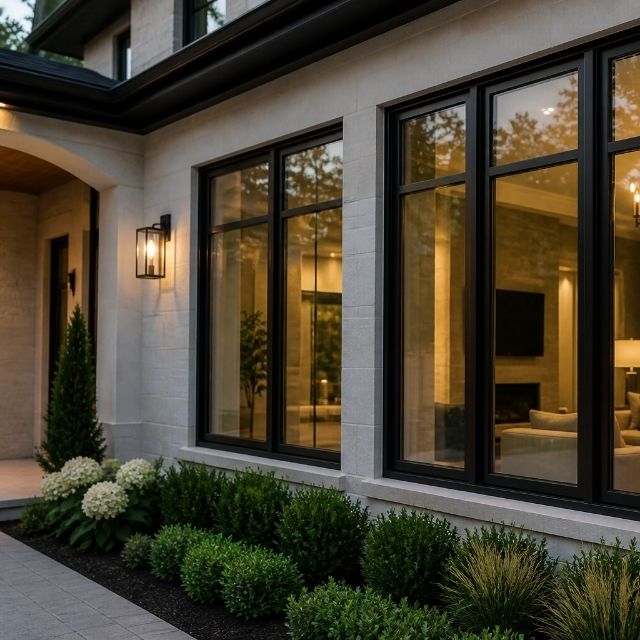
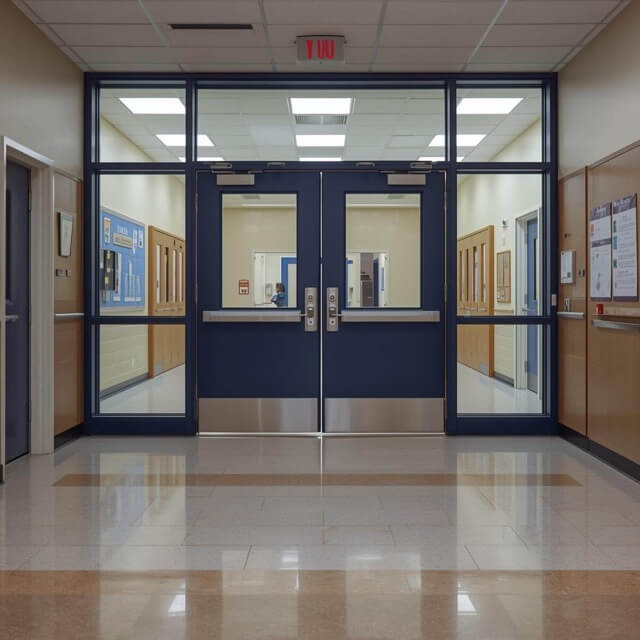
A Dual Imperative: Addressing Both Sound and Security Challenges
Modern urban and commercial environments increasingly present a dual imperative. The need to mitigate pervasive noise pollution while simultaneously enhancing physical security against evolving threats. Traditionally, these challenges have been addressed with separate, often conflicting, solutions. However, a comprehensive, architectural-grade approach recognizes that the most effective and aesthetically cohesive solution is one that addresses both sound and security challenges within a single, integrated system. This convergence offers efficiencies and superior performance unattainable through piecemeal methods.
Fortifying the Building Envelope: Understanding Forced-Entry Resistance
Forced-entry resistance refers to a fenestration system’s ability to withstand deliberate attempts to gain unauthorized access. This goes beyond the mere breaking of glass. it encompasses resistance to sustained physical attack using various tools, from blunt force objects to sophisticated cutting devices. Engineered security glazing systems achieve this through:
- Specialized Interlayers: Multiple layers of robust polycarbonate or advanced composite materials bonded between glass panes make the glass exceptionally difficult to penetrate, even when severely damaged.
- Secure Framing and Anchoring: The frame itself is designed for strength, and the glazing is securely anchored to the building structure, preventing dislodgment.
- Rigorous Testing Standards: Products are subjected to stringent performance tests, such as UL 752 or ASTM F1233, to certify their resistance against specific threat levels, providing verifiable performance data.
This level of engineering transforms standard glass into a formidable barrier, significantly increasing the time and effort required for forced entry, thereby deterring intruders.
The Synergistic Advantage: How Security Enhancements Bolster Acoustic Isolation
One of the most compelling aspects of advanced security glazing is the synergistic relationship between its protective and acoustic properties. The very features that fortify a window against forced entry simultaneously enhance its sound attenuation capabilities.
- Laminated Glass: The multi-layered construction, essential for security, is inherently excellent at dampening sound vibrations. The interlayers act as a viscoelastic medium, absorbing and dissipating sound energy more effectively than monolithic glass.
- Robust Framing: Security-grade frames are typically more substantial and precisely fitted, which minimizes vibrations and eliminates potential sound flanking paths around the glass unit.
- Airtight Seals: The rigorous sealing required for security to prevent tampering also ensures a superior airtight barrier against external noise ingress.
This means that investing in a high-performance security glazing system provides a compounding return, delivering a critical layer of protection while simultaneously creating a quieter, more serene interior environment.
Strategic Investment: Maximizing Value Through Multi-Functional Patented Retrofit Security Systems
For architects and building owners, selecting an advanced, multi-functional glazing system represents a strategic investment that maximizes long-term value. Rather than undertaking separate projects for noise mitigation and security upgrades, a single, integrated solution streamlines design, procurement, and installation. Patented retrofit security systems, in particular, offer a distinct advantage by allowing existing fenestration to be upgraded without requiring full window replacement, preserving architectural integrity and reducing project complexity. This approach not only provides superior acoustic control and robust forced-entry protection but also enhances occupant safety, comfort, and the overall asset value of the property. It aligns with the goal of creating resilient, adaptable buildings that meet both current demands and future challenges without compromising aesthetic principles.
Specification Without Compromise: Integrating Acoustic Performance and Design Integrity
True architectural excellence demands solutions that not only perform under duress but also seamlessly integrate with the building’s original design intent. The challenge of mitigating unwanted noise, especially in urban environments, often leads to compromises that diminish aesthetic appeal or introduce impractical, temporary measures. However, an engineered approach to fenestration allows for the simultaneous achievement of superior acoustic control, robust security, and unwavering design integrity.
Consultative Approach: Partnering for Optimal System Design
Achieving optimal acoustic and security performance alongside design cohesion begins with a collaborative, consultative process. Rather than offering a one-size-fits-all product, expert providers engage directly with architects and project stakeholders to thoroughly understand specific project requirements and design aspirations. This involves detailed assessments of existing structures, analysis of prevalent noise sources and security threats, and a deep dive into the building’s aesthetic vision.
This partnership approach ensures that the proposed glazing system is not merely an add-on, but an integral, purpose-built component. It allows for:
- Tailored Acoustic Profiles: Custom-engineered laminates and glass configurations precisely tuned to target and mitigate specific sound frequencies, from traffic din to construction noise.
- Integrated Security Layers: Selection of security glazing engineered to resist various threats, whether forced entry, ballistic impact, or blast events, all while maintaining clarity and visual lightness.
- Seamless Integration: Design considerations that ensure the new system complements existing window frames and architectural features, preventing visual disruption.
- Performance Guarantees: Systems designed and specified to meet stringent industry standards for both acoustic attenuation and physical protection.
Maintaining Aesthetic Vision: The ‘Virtually Invisible’ Promise of Advanced Glazing
A primary concern for architects like Alex Chen is the preservation of a building’s aesthetic integrity, particularly when introducing security or performance upgrades. The beauty of advanced retrofit glazing systems lies in their ‘virtually invisible’ nature. Unlike bulky secondary windows or obtrusive window noise blockers, these engineered solutions integrate discreetly into the existing fenestration.
The technology leverages ultra-thin, high-performance laminates and specially formulated glass that can be applied to or incorporated within existing window frames. This approach negates the need for significant structural alterations or the addition of conspicuous components. The result is an enhancement that provides unparalleled acoustic dampening and robust security without altering the building’s facade, window profiles, or interior sightlines. The original design remains undisturbed, maintaining the architect’s intended vision while delivering superior performance.
Considering Materiality and Installation: A Seamless Retrofit Process
The success of any high-performance glazing system hinges on both the advanced materiality and the precision of its installation. Modern retrofit solutions employ multi-layered laminates, often incorporating specific interlayers designed to absorb sound waves and provide exceptional resistance to impact. These materials are chosen not only for their inherent strength and acoustic properties but also for their optical clarity and durability.
The installation process itself is engineered for minimal disruption. Rather than requiring full window replacement, which is often costly and time-intensive, these systems are designed as intelligent retrofits. This means:
- Non-Intrusive Integration: Components are fitted within or immediately adjacent to existing window frames, preserving original casements and finishes.
- Reduced Construction Time: The retrofit approach significantly shortens installation timelines compared to full-scale window replacements, minimizing operational interruptions.
- Controlled Environment: Installations can often proceed without extensive scaffolding or major interior demolition, making them ideal for occupied buildings.
Conclusion: Long-Term Value of Retrofit Noise Reduction Glazing
Investing in an engineered glazing system extends far beyond immediate noise reduction and security enhancement. It represents a commitment to long-term value and sustainable building practices. These architectural-grade solutions are built for durability, designed to withstand environmental stressors and maintain their performance characteristics for decades.
Key aspects of their long-term value include:
- Exceptional Durability: Robust construction and advanced material science ensure resilience against wear, weather, and potential impacts, translating to a significantly longer lifespan than temporary alternatives.
- Minimal Maintenance: Once installed, the systems require no specialized upkeep beyond standard window cleaning, reducing ongoing operational costs and maintenance burdens.
- Enhanced Energy Efficiency: The additional layers of glass and laminates often provide improved thermal insulation, reducing HVAC loads and contributing to lower energy consumption. This aligns directly with sustainable building goals and green certifications.
- Reduced Waste: By retrofitting existing windows rather than replacing them entirely, these solutions minimize demolition waste and the consumption of new raw materials, promoting a more circular economy in construction.
This comprehensive approach underscores that effective acoustic control and security are not merely features but foundational elements that contribute to a building’s overall efficiency, longevity, and environmental responsibility.
Frequently Asked Questions
What are the main limitations of traditional window noise blockers?
Traditional window noise blockers, such as heavy drapes, basic soundproof window inserts, or weatherstripping, offer limited acoustic attenuation. They often fail to address low-frequency sounds, provide insufficient mass and damping, and frequently compromise aesthetic appeal by blocking views or clashing with architectural design.
How do engineered security glazing systems provide superior acoustic performance?
Engineered security glazing systems utilize advanced materials like laminated glass with specialized interlayers and often incorporate polycarbonate. These multi-layered constructions significantly increase mass, damping, and stiffness, effectively absorbing and dissipating sound waves across a broader frequency spectrum. This results in much higher STC and OITC ratings compared to standard windows or temporary solutions.
Can acoustic glazing solutions be integrated without altering a building’s design?
Yes, our advanced acoustic glazing solutions, particularly retrofit glazing systems, are engineered to be virtually invisible. They integrate seamlessly into existing window frames, preserving the building’s original design, optical clarity, and natural light while providing superior sound dampening and robust architectural security. This avoids the bulk and aesthetic compromises of conventional window noise blockers.
What are the benefits of integrating forced-entry protection with acoustic control?
Integrating forced-entry protection with acoustic control offers a synergistic advantage. The multi-layered laminated glass and robust framing required for security inherently enhance sound attenuation by increasing mass, damping, and ensuring airtight seals. This means a single, strategic investment provides both a critical layer of physical security and a significantly quieter, more comfortable interior environment.
What industry ratings should I look for when specifying acoustic fenestration?
When specifying acoustic fenestration, pay close attention to both the Sound Transmission Class (STC) and Outdoor-Indoor Transmission Class (OITC) ratings. STC is crucial for general airborne sound reduction, while OITC is specifically designed to measure effectiveness against external, low and mid-frequency noise sources typical of urban environments, providing a more accurate real-world performance indicator.