- Acknowledging the Immediate Crisis: The Fear of Imminent Hurricane Damage
- Why Last-Minute ‘Solutions’ Are a Dangerous Illusion: The Physics of Failure
- The Perilous Flaws of Plywood: Understanding Its Inadequacy Against Hurricane Force
- The Myth of Adhesive Tape: A Critical Analysis of Its Complete Ineffectiveness
- The Real Danger of Wind-Borne Debris: When Everyday Objects Become Deadly Missiles
- The True Cost of a Building Envelope Breach: Water Ingress, Structural Damage, and Business Interruption
- Beyond Temporary Fixes: The Engineering Principles of True Impact Protection
- Introducing Advanced Security Glazing: A Paradigm Shift in Hurricane Preparedness
- The Science of Energy Absorption: How Polycarbonate Withstands Extreme Impact
- Differentiating True Impact Resistant Glass from Standard Glazing
- Understanding Industry Standards: ASTM E1886/E1996 and Miami-Dade Compliance
- Retrofit vs. Replacement: A Strategic Cost-Benefit Analysis for Uncompromised Preparedness
- The Strategic Advantages of Over-the-Glass Retrofit Systems for Rapid Reinforcement
- The Undeniable Limitations of Full Window Replacement for Hurricane Protection
- Long-Term Value: Protecting Assets, Ensuring Business Continuity, and Mitigating Risk
- Beyond Hurricanes: The Dual Benefit of Enhanced Forced Entry Resistance
- Implementing a Permanent Shield: Navigating the Advanced Threat Mitigation Process
- The Necessity of a Comprehensive Threat Assessment and Custom Engineering Solution
- The Role of Certified Installers: Expertise and Precision in Deployment
- The Efficacy of a Patented, Over-the-Glass Design: Proven Performance Without Disruption
- Leveraging a Nationwide Network for Timely and Efficient Commercial Storm Protection
- Don’t Wait for the Warning: Cultivating a Proactive Building Hardening Strategy
- Integrating Permanent Glazing into a Holistic Emergency Preparedness Plan
- The Expanded Benefits: Daily Security, Vandalism Deterrence, and Operational Resilience
- Continuous Risk Management: Assessing Vulnerabilities Beyond the Immediate Threat
- The Imperative for Facility Managers: Elevating Security from Reactive to Proactive
- Conclusion: From Reactive Panic to Proactive Resilience – Securing Your Future
- Frequently Asked Questions
Acknowledging the Immediate Crisis: The Fear of Imminent Hurricane Damage


As a hurricane approaches, the primary concern for any building owner or facility manager immediately shifts to the integrity of their assets and the safety of their occupants. The fear is palpable, driven by the knowledge that these storms are not merely weather events, but forces of immense destructive power. This is not a time for speculation, but for precise, engineered preparation. The immediate crisis demands an understanding of where your building is most vulnerable and how rapidly that vulnerability can translate into catastrophic loss, negating any last-minute hurricane window protection efforts.
Defining the Building Envelope: Why Glazing is the Weakest Link
The building envelope is the critical boundary separating the conditioned interior from the external environment. It encompasses the roof, walls, foundations, and all openings such as doors and windows. While all components face extreme stress during a hurricane, glazing—windows, glass doors, and skylights—represents the Achilles’ heel of nearly every structure. Unlike solid walls or reinforced concrete, glass, by its very nature, is brittle and significantly less resistant to dynamic loads and impact. A breach here is not just a broken pane. It is an open gateway for the storm’s destructive power to invade and compromise the entire building’s structural integrity.
The Unseen Forces: Wind Pressure, Projectiles, and the Path of Destruction
Hurricane-force winds exert immense, sustained, and fluctuating pressure on a building’s exterior. This direct wind load alone can deform and shatter glazing systems not designed for such extremes. However, the more insidious and equally destructive force comes from wind-borne debris. At velocities exceeding 100 mph, everyday objects transform into high-energy projectiles, impacting glazing with devastating force. Once a window or door fails, the building experiences a sudden pressurization from within, creating uplift forces that can tear off roofs, blow out walls, and lead to progressive structural collapse. This is the critical path of destruction initiated by a single point of failure in the building envelope security.
Why Last-Minute ‘Solutions’ Are a Dangerous Illusion: The Physics of Failure
In the face of an impending storm, the instinct to act quickly often leads to deploying readily available, yet critically inadequate, measures. These last-minute interventions, frequently based on common myths rather than scientific understanding, offer a dangerous illusion of protection. They not only fail to mitigate the threat, but also consume valuable time and resources that could be dedicated to genuine preparedness, often falling under the umbrella of emergency window boarding.
The Perilous Flaws of Plywood: Understanding Its Inadequacy Against Hurricane Force
Plywood, despite its widespread use as a last-minute measure, presents perilous flaws when confronted with hurricane forces. Standard plywood sheets, typically 1/2 or 5/8 inch thick, are not engineered to withstand the sustained positive and negative pressures or the impact energy of wind-borne debris. Their inherent flexibility allows them to deform and eventually fail under dynamic loads, often detaching from their fastenings. Even when properly installed with bolts or screws, the wood fibers around the fasteners can tear out, or the fasteners themselves can shear under extreme wind uplift and impact. This process is often labor-intensive, requires precise measurements, and is frequently executed under duress, further compromising its already limited effectiveness. Relying on plywood or other traditional hurricane window protection methods is a high-risk gamble, offering minimal, if any, reliable protection against true hurricane impact windows.
The Myth of Adhesive Tape: A Critical Analysis of Its Complete Ineffectiveness
The belief that taping an “X” across a window will prevent it from shattering or reduce damage is a pervasive and dangerously false myth. Adhesive tape, whether duct tape or masking tape, possesses no structural strength to resist hurricane-force winds or impact from flying debris. While it might prevent large shards of glass from flying inward after the window has already failed, it does absolutely nothing to prevent the initial breakage caused by immense pressure or direct impact. This practice provides a false sense of security, wastes crucial time, and leaves occupants and assets completely exposed to the full force of the storm.
The Real Danger of Wind-Borne Debris: When Everyday Objects Become Deadly Missiles
The most significant threat to glazing during a hurricane comes not just from wind pressure, but from the acceleration of everyday objects into deadly missiles. A small rock, a roof shingle, or even a piece of patio furniture, when propelled by 120 mph winds, carries immense kinetic energy. These projectiles can easily penetrate standard tempered or annealed glass, initiating the cascading failure of the building envelope. This phenomenon transforms the immediate vicinity of a structure into a high-velocity impact zone, where anything not securely fastened becomes a potential weapon against your building’s most vulnerable points.
The True Cost of a Building Envelope Breach: Water Ingress, Structural Damage, and Business Interruption
A breach in the building envelope, particularly through glazing, triggers a catastrophic chain of events, leading to a true cost far beyond the immediate repair of a broken window.
- Water Ingress: Once a window fails, torrential rain, often driven horizontally by hurricane winds, floods the interior. This leads to immediate damage to expensive electronics, critical infrastructure, historical documents, inventory, and interior finishes. Mold and mildew issues frequently follow, requiring extensive and costly remediation.
- Structural Damage: The entry of wind into the building creates immense internal pressure differentials, which can cause roof uplift, wall collapse, and severe damage to load-bearing elements. This internal pressure fundamentally compromises the structural integrity, potentially leading to partial or complete building failure.
- Business Interruption: The combination of water damage and structural compromise inevitably leads to prolonged operational downtime. Businesses face significant revenue loss, disruption of supply chains, relocation costs, and potential loss of market share. For critical facilities, this interruption can have far-reaching societal and economic consequences. The true cost extends well beyond property damage, encompassing operational paralysis and long-term financial recovery challenges.
Beyond Temporary Fixes: The Engineering Principles of True Impact Protection
Introducing Advanced Security Glazing: A Paradigm Shift in Hurricane Preparedness
The era of relying on improvised, temporary measures for last-minute hurricane window protection must end. Advanced security glazing represents a fundamental paradigm shift, moving beyond mere mitigation to proactive, engineered resilience. This is not about emergency window boarding in a panic. It is about permanently integrating robust, high-performance materials into a building’s envelope. Such systems are designed from the ground up to withstand the extraordinary forces of nature, ensuring structural integrity and occupant safety long before a storm makes landfall. This proactive approach transforms a building from vulnerable to fortified, redefining preparedness for the modern threat landscape.
The Science of Energy Absorption: How Polycarbonate Withstands Extreme Impact
At the core of advanced security glazing is the remarkable material science of polycarbonate. Unlike traditional glass, which shatters on impact, polycarbonate is a thermoplastic polymer renowned for its exceptional toughness and inherent flexibility. When subjected to extreme forces, such as wind-driven debris traveling at hurricane speeds, polycarbonate glazing does not splinter. Instead, it absorbs and dissipates the kinetic energy across its surface, deforming temporarily without fracturing. This elastic response prevents the catastrophic breaches that turn flying objects into deadly projectiles and maintains the building’s critical envelope. The result is a transparent, yet virtually impenetrable, barrier that offers unparalleled protection.
Differentiating True Impact Resistant Glass from Standard Glazing
Understanding the distinction between standard glazing and truly impact resistant glass systems is critical. Standard float glass, even double-paned, offers minimal resistance to high-velocity impacts. It shatters into dangerous shards, creating massive openings in the building envelope. True hurricane impact windows, however, are engineered systems. These typically involve multiple layers, often combining specialized glass with resilient interlayers, or utilize solid polycarbonate panels. When struck, these systems are designed to remain intact, even if the outer layer cracks, maintaining a protective barrier against water intrusion, wind pressure, and further debris. This integral strength is what prevents the domino effect of structural failure and ensures continued security.
Understanding Industry Standards: ASTM E1886/E1996 and Miami-Dade Compliance
Reliable impact protection is not a claim but a quantifiable performance standard. Building owners must look for systems compliant with rigorous industry benchmarks, notably ASTM E1886 and ASTM E1996. These standards mandate stringent testing protocols for large missile impact and cycling pressure, simulating the extreme conditions of a Category 5 hurricane. Perhaps the most recognized and demanding standard for hurricane-resistant products is Miami-Dade County NOA (Notice of Acceptance). Achieving Miami-Dade standards compliance signifies that a product has undergone exhaustive testing, including direct impact from a 9-pound 2×4 lumber missile traveling at 50 feet per second, followed by 9,000 positive and negative pressure cycles. These certifications are not merely stamps of approval. They are definitive proof of a system’s ability to perform under catastrophic stress, offering verifiable assurance against nature’s fury.
Retrofit vs. Replacement: A Strategic Cost-Benefit Analysis for Uncompromised Preparedness
The Strategic Advantages of Over-the-Glass Retrofit Systems for Rapid Reinforcement
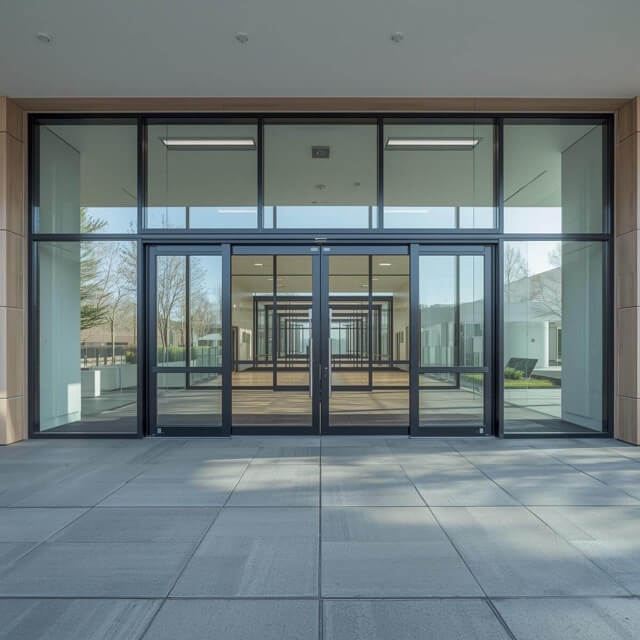
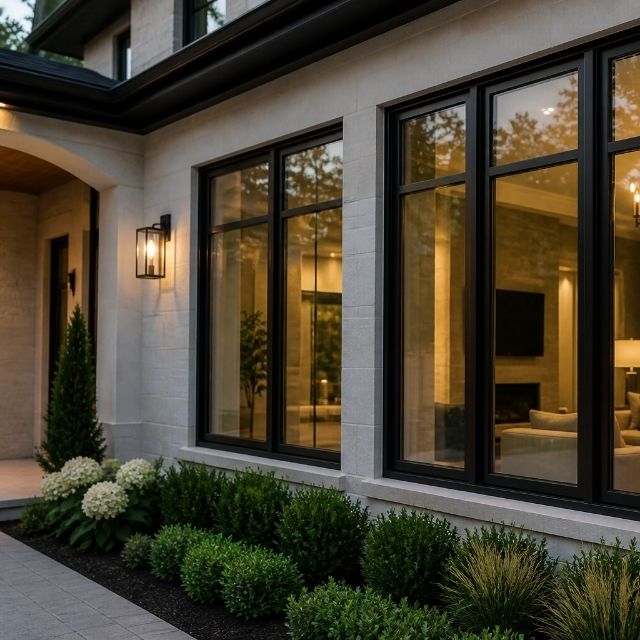
When faced with the urgent need for enhanced hurricane protection, an over-the-glass retrofit system offers strategic advantages that align with immediate operational continuity and long-term asset protection. These engineered systems are designed to be installed directly over existing glazing, minimizing disruption to ongoing operations. The installation process is significantly faster and less invasive than full window replacement, allowing for rapid reinforcement of vulnerable points. This approach fortifies the current building envelope with a permanent, high-performance layer of protection, leveraging the existing structure while introducing superior impact resistance. It is a cost-effective and efficient method to upgrade security without incurring the downtime and extensive costs associated with traditional construction projects, providing robust commercial storm protection.
The Undeniable Limitations of Full Window Replacement for Hurricane Protection
While full window replacement might appear to be a comprehensive solution, its limitations for achieving advanced hurricane protection are significant and often overlooked. The process is inherently time-consuming, expensive, and highly disruptive to business operations. Furthermore, merely replacing windows does not guarantee enhanced hurricane resistance. Many standard replacement windows offer only basic insulation and do not meet the stringent impact and pressure cycling requirements of advanced hurricane-rated windows. This means that a considerable investment could still leave a facility vulnerable to severe weather events. Logistical hurdles, material lead times, and the need for extensive construction work make full replacement an impractical and often insufficient strategy for urgent or comprehensive threat mitigation.
Long-Term Value: Protecting Assets, Ensuring Business Continuity, and Mitigating Risk
Investing in a permanent, engineered security glazing retrofit delivers substantial long-term value far beyond the initial installation. This proactive measure directly translates to tangible financial benefits and enhanced operational resilience. By preventing catastrophic breaches, building owners can safeguard valuable assets, sensitive equipment, and critical data from water damage, wind intrusion, and direct impact. This level of protection minimizes the likelihood of costly repairs, reduces insurance claims, and significantly curtails operational downtime in the aftermath of a storm. Ultimately, it functions as a comprehensive risk management strategy, ensuring business continuity and preserving the integrity of essential operations, which is an invaluable return on investment for any facility.
Beyond Hurricanes: The Dual Benefit of Enhanced Forced Entry Resistance
The robust engineering principles that enable advanced security glazing to withstand hurricane-force impacts provide a compelling dual benefit. Significantly enhanced resistance to forced entry. The same polycarbonate materials and secure mounting systems designed to deflect wind-driven debris also create an incredibly difficult barrier for intruders attempting to break through. This means that a proactive investment in hurricane preparedness simultaneously upgrades a building’s year-round security posture against vandalism, opportunistic theft, and even more determined breach attempts. It transforms vulnerable openings into formidable deterrents, offering continuous peace of mind and comprehensive protection against a wide spectrum of physical threats, extending the value proposition far beyond seasonal storm defense.
Implementing a Permanent Shield: Navigating the Advanced Threat Mitigation Process
The transition from emergency plywood to a truly robust defense demands a structured, professional approach. It is not merely about installing a product, but implementing an engineered solution designed for sustained, high-performance threat mitigation. This process begins long before a storm brews, focusing on precise engineering and expert deployment to create an unyielding barrier against catastrophic events.
The Necessity of a Comprehensive Threat Assessment and Custom Engineering Solution
Effective protection is never a one-size-fits-all proposition. Before any installation, a comprehensive threat assessment is indispensable. This involves a meticulous evaluation of your facility’s unique vulnerabilities, architectural nuances, and specific operational risks. It moves beyond generic concerns to pinpoint precise points of ingress, structural weaknesses, and the particular threat vectors your location faces, whether from extreme weather, forced entry, or other potential hazards.
Based on this assessment, a custom-engineered solution is developed. This is not about selecting off-the-shelf components, but designing an integrated system where every element works in concert to provide maximum resistance. Such a solution leverages advanced materials and precise calculations to ensure the installed system meets or exceeds the most stringent performance standards, providing verifiable protection where it matters most.
The Role of Certified Installers: Expertise and Precision in Deployment
Even the most advanced security glazing system is only as effective as its installation. This critical phase demands the specialized knowledge and meticulous precision of certified installers. These professionals are trained specifically in the nuances of deploying high-performance security solutions, understanding the intricate requirements for proper adhesion, frame integration, and structural reinforcement. Their expertise ensures that every panel is installed to manufacturer specifications and engineered tolerances, guaranteeing the system’s integrity against the immense forces of hurricane-level winds and high-velocity debris. Without this level of precision, even the finest materials can fail, leaving your facility vulnerable.
The Efficacy of a Patented, Over-the-Glass Design: Proven Performance Without Disruption
A hallmark of advanced hurricane window protection is the use of innovative, non-invasive solutions. Patented, over-the-glass security glazing systems exemplify this principle. This design integrates a durable, optically clear protective layer directly onto existing fenestration, providing formidable resistance without requiring the costly and disruptive replacement of an entire window system.
Key advantages of this approach include:
- Rapid Deployment: Installation is significantly faster than full window replacement, minimizing operational downtime.
- Cost-Effectiveness: It leverages existing infrastructure, reducing material and labor expenses.
- Enhanced Performance: The system is engineered to absorb and dissipate impact energy, offering superior protection against blunt force, ballistic threats, and extreme weather.
- Uninterrupted Aesthetics: The transparency and slim profile maintain the building’s original appearance and natural light ingress.
This design is backed by rigorous testing, demonstrating proven performance in real-world conditions and against simulated threats, ensuring reliable protection without compromising your facility’s functionality or appearance.
Leveraging a Nationwide Network for Timely and Efficient Commercial Storm Protection
In times of widespread crisis, such as an impending hurricane, logistics become a critical challenge. Relying on a localized, limited resource can mean delays and inadequate preparation. This is where the advantage of a nationwide network for commercial storm protection becomes evident. A robust, distributed network ensures that expert teams, specialized equipment, and necessary materials can be deployed quickly and efficiently, even when local resources are overwhelmed. This strategic advantage translates directly into:
- Rapid Response: The ability to mobilize crews from unaffected regions to assist with pre-storm hardening or post-storm assessment.
- Standardized Quality: Consistent application of best practices and installation standards across all service areas.
- Scalability: The capacity to handle multiple large-scale projects simultaneously, critical during regional emergencies.
This expansive reach provides facility managers with unparalleled reliability and peace of mind, knowing that professional support is always accessible, regardless of geographic location or the severity of the threat.
Don’t Wait for the Warning: Cultivating a Proactive Building Hardening Strategy
The cycle of reactive emergency preparedness, characterized by last-minute plywood and frantic scrambling, must end. True resilience comes from a proactive, integrated strategy that anticipates threats and fortifies assets long before they materialize. This shift from reactive measures to strategic hardening is not merely about surviving an event, but ensuring continuous operational capability and safeguarding investments.
Integrating Permanent Glazing into a Holistic Emergency Preparedness Plan
Permanent security glazing is not a standalone solution. It is a foundational component of a comprehensive emergency preparedness plan. Its integration elevates the entire strategy, moving beyond temporary fixes to establish a constant state of readiness. This involves formalizing protocols for pre-storm checks, documenting system specifications, and incorporating the permanent hardening into evacuation and asset protection procedures. It ensures that critical assets are continuously secured, personnel safety is maximized, and business continuity plans are robust enough to withstand significant impact events. A truly holistic plan recognizes that prevention is the most effective form of response.
The Expanded Benefits: Daily Security, Vandalism Deterrence, and Operational Resilience
While initially considered for extreme weather, the benefits of permanent security glazing extend far beyond hurricane protection, offering a tangible return on investment through year-round enhancements to facility security.
- Daily Security: It creates a formidable barrier against unauthorized entry, deterring smash-and-grab attempts and forced entry, protecting valuable assets and sensitive information.
- Vandalism Deterrence: The robust nature of the glazing system makes it highly resistant to common acts of vandalism, such as scratching, etching, and impact damage, reducing maintenance costs and preserving property aesthetics.
- Operational Resilience: By hardening the building’s envelope, it minimizes the risk of operational disruptions from a wider array of threats, including civil unrest, accidental impacts, or even minor weather events that would otherwise cause damage and downtime.
This multifaceted protection ensures that the investment in advanced glazing contributes to an overall safer, more resilient, and continuously operational environment.
Continuous Risk Management: Assessing Vulnerabilities Beyond the Immediate Threat
Effective facility management is an ongoing process of continuous risk management, not a one-time assessment. While hurricane preparedness might be the immediate catalyst for action, it is imperative to broaden the scope of vulnerability assessments to encompass a full spectrum of potential threats. This includes evaluating risks from seismic activity, active threats, chemical spills, and even evolving forms of industrial espionage. Permanent glazing solutions are designed with this comprehensive threat landscape in mind, offering adaptive protection that addresses multiple vectors simultaneously. Regularly revisiting and updating these assessments ensures that security measures remain relevant and robust against both current and emerging dangers.
The Imperative for Facility Managers: Elevating Security from Reactive to Proactive
For facility managers, the imperative is clear. The era of reactive security is unsustainable. Relying on last-minute measures or hoping for the best is a critical failure in fiduciary and operational responsibility. The adoption of a proactive building hardening strategy, centered on engineered, permanent security glazing, is no longer an option, but a necessity. This shift represents an elevation of security protocols, transforming the facility from a potential liability into a resilient asset. By making this strategic investment, facility managers not only safeguard occupants and property, but also ensure operational continuity and protect their organization’s long-term viability, moving from merely coping with disaster to fundamentally preventing it.
Conclusion: From Reactive Panic to Proactive Resilience – Securing Your Future
Reiteration: The Irrefutable Case Against Temporary Hurricane Protection
As the immediate threat looms, the impulse to implement last-minute hurricane window protection can feel like a necessary emergency measure. However, as we have explored, solutions like plywood, emergency window boarding, or basic storm shutters offer a critically insufficient defense against the sheer destructive force of hurricane-force winds and the ballistic impact of flying debris. These ad hoc methods provide a false sense of security, often failing catastrophically at the very moment they are needed most. Relying on such measures is not just a gamble. It represents a fundamental failure in proactive risk management, placing occupants, vital assets, and business continuity in immediate and severe jeopardy.
Embracing the Definitive Solution: The Unmatched Efficacy of Engineered Security Glazing
The only truly reliable and responsible strategy for comprehensive hurricane protection lies in the proactive implementation of an engineered, permanent security glazing system. These are not merely reinforced windows. They are sophisticated, multi-layered defense systems meticulously designed and tested to withstand extreme conditions. Engineered security glazing provides robust protection against wind-borne debris, forced entry, and even ballistic threats, creating an impenetrable building envelope security around your facility. This definitive solution moves beyond reactive damage control, offering peace of mind through proven, long-term resilience.
The Critical Investment: Protecting Occupants, Assets, and Business Continuity
Investing in advanced security glazing is far more than a capital expenditure. It is a critical investment in the sustained safety of your occupants, the preservation of your invaluable assets, and the uninterrupted continuity of your operations. The financial repercussions of hurricane damage extend far beyond immediate repair costs, encompassing significant business interruption, data loss, supply chain disruptions, and reputational harm. By securing your building’s vulnerable glazing with hurricane-rated windows, you are actively mitigating these cascading risks, ensuring that your enterprise can weather the storm and resume operations swiftly and safely. This proactive measure safeguards your financial health and reinforces your commitment to the well-being of all within your facility.
Your Next Decisive Step: Initiating a Comprehensive Security Glazing Assessment
In the face of escalating environmental threats, complacency is no longer an option. The decisive step toward true resilience is to initiate a comprehensive security glazing assessment. Engage with experts who can evaluate your facility’s unique vulnerabilities, assess existing glazing systems, and recommend a tailored, engineered solution. This initial assessment will provide a clear roadmap for upgrading your building’s protective capabilities, transitioning from a state of reactive vulnerability to one of proactive, robust security. Do not wait for the next storm. Secure your future and the safety of your occupants and assets today.
Frequently Asked Questions
What are the dangers of relying on last-minute hurricane window protection?
Relying on last minute hurricane window protection, such as plywood or tape, provides a false sense of security. These methods are largely ineffective against hurricane-force winds, wind-borne debris, and the immense pressure differentials that can cause catastrophic building envelope failure, leading to water ingress, structural damage, and significant business interruption.
How do hurricane impact windows differ from standard windows?
Hurricane impact windows are engineered systems designed to withstand extreme forces. Unlike standard glass that shatters, these systems often use laminated glass or polycarbonate glazing with resilient interlayers. They are rigorously tested to meet standards like ASTM E1886/E1996 and Miami-Dade standards for large missile impact and cycling pressure, maintaining a protective barrier even if the outer layer is compromised.
What are the benefits of a retrofit security glazing system?
A retrofit security glazing system offers strategic advantages over full window replacement. It can be installed over existing windows with minimal disruption, providing rapid and cost-effective reinforcement. Beyond hurricane protection, these systems also offer enhanced resistance to forced entry, deter vandalism, and contribute to overall building envelope security and operational resilience year-round.
Can polycarbonate glazing stop forced entry attempts?
Yes, the robust engineering principles behind polycarbonate glazing for hurricane protection also provide significant resistance to forced entry. Polycarbonate’s exceptional toughness and ability to absorb and dissipate kinetic energy make it an incredibly difficult barrier for intruders, deterring smash-and-grab attempts and more determined breach efforts, thus serving a dual purpose for daily security.
How does engineered security glazing contribute to business continuity?
By preventing catastrophic building breaches from hurricanes and other threats, engineered security glazing safeguards critical assets, sensitive equipment, and data from damage. This proactive measure minimizes costly repairs, reduces insurance claims, and significantly curtails operational downtime, ensuring business continuity and protecting an organization’s financial health and long-term viability.