- The Compromise of Conventional Materials
- Retrofit Security Glazing: An Engineered Alternative
- How Patented Retrofit Systems Achieve Level 3 Protection
- Specifying Retrofit Ballistic Security
- Conclusion: Security and Design Integrity Can Coexist
- Frequently Asked Questions
For architects, engineers, and security stakeholders, specifying ballistic protection has historically presented a dilemma. The conventional approach to achieving a UL 752 Level 3 rating involves the complete removal and replacement of existing window and door systems. While effective at stopping a projectile, this “rip and replace” method forces a direct compromise on a building’s design integrity, operational continuity, and budget. It treats security as an imposition on the architecture, not as an integrated component.
The Compromise of Conventional Materials
Traditional level 3 bulletproof glass is a heavy, multi-layered composite. Its assembly typically consists of multiple layers of glass bonded with a thermoplastic interlayer, such as polyvinyl butyral (PVB) or polycarbonate. To stop multiple rounds from a .44 Magnum, this laminated assembly must be exceptionally thick, often exceeding 1.25 inches.
This substantial mass is the source of its protective capabilities and its significant architectural drawbacks. The sheer weight demands bulky, obtrusive framing systems that can override a building’s original design intent with a fortress-like appearance. The thickness of the glass composite can also lead to poor optical quality, including a noticeable greenish tint and visual distortion that degrades the clarity of natural light.
Disruption, Cost, and Complexity
Specifying traditional ballistic resistant glazing is rarely a simple upgrade. Its weight and thickness prevent installation into most existing window frames, necessitating a full tear-out of the current window and framing system. This process is costly, complex, and highly disruptive.
The operation extends beyond the glazier, requiring carpenters, drywall finishers, and painters to repair the surrounding wall assembly. This translates into significant downtime, noise, and security vulnerabilities during the extended construction period. The architect becomes an unwilling systems integrator, responsible for ensuring that disparate components like new ballistic glass, heavy-duty frames, and specialized anchors can form a cohesive protective barrier. This complexity increases project timelines and shifts undue liability onto the design team.
Retrofit Security Glazing: An Engineered Alternative
In response to the drawbacks of full replacement, a new category of security glazing has emerged. Engineered retrofit security systems are designed to integrate with a building’s existing windows and doors, providing robust ballistic protection without the architectural disruption of traditional methods.
A retrofit security glazing system is a fully engineered assembly installed over a building’s existing glass. It consists of a sheet of specialized polycarbonate or a composite shield mounted within a patented aluminum framing system. This assembly is anchored securely to the existing window mullions or surrounding wall structure. This creates a protective “cushion” of air between the original glass and the new security shield, an architectural buffer zone critical to its performance.
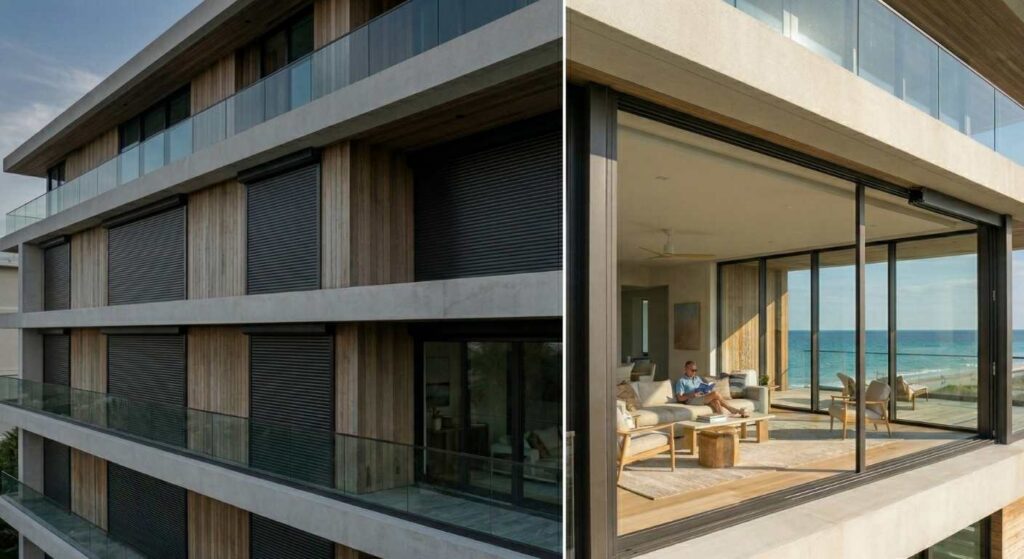
The most significant advantage is the ability to upgrade existing glazing in-situ. The original glass, frames, and seals are left untouched. By preserving the original glazing, the architect’s design vision remains intact. There is no change to the exterior appearance, no risk of damaging the building envelope, and no introduction of visually dissimilar replacement glass.
How Patented Retrofit Systems Achieve Level 3 Protection
Achieving robust ballistic mitigation no longer requires a disruptive replacement process. Patented over-glazing systems integrate with existing glazing to create a formidable barrier that meets stringent UL 752 Level 3 standards. This approach is founded on a sophisticated understanding of material science and structural dynamics.
Material Synergy and Advanced Anchoring
The performance of a Level 3 retrofit system comes from the engineered synergy between its components. The primary shield is a sheet of polycarbonate, a polymer renowned for its exceptional impact resistance. Unlike brittle glass, polycarbonate can deform upon impact, absorbing and dissipating a projectile’s kinetic energy.
The polycarbonate shield is only one part of the equation. The true innovation lies in the patented anchoring systems that secure the shield to the building. These anchors are engineered components designed to manage immense, instantaneous loads. During a ballistic event, the anchors transfer the force from the flexible polycarbonate into the structural members of the window mullion, distributing the impact energy safely into the building’s frame. This prevents the entire assembly from failing, a critical failure point in less-engineered systems.
The Mechanics of Energy Dispersion
When a projectile strikes the retrofit system, a precise sequence unfolds to neutralize the threat.
- Initial Impact and Absorption: The bullet strikes the outer polycarbonate shield. The material flexes and deforms, converting a significant portion of the projectile’s kinetic energy into thermal energy and material displacement.
- Energy Transfer to Anchors: The remaining impact energy radiates across the polycarbonate sheet to the perimeter anchors. These specialized anchors are designed to flex and absorb this secondary load, transferring stress into the stronger structural frame.
- System Containment: The air gap between the polycarbonate shield and the original glass provides a crucial buffer. While the primary glass may fracture from the shockwave, the retrofit system ensures all fragments are safely contained. This prevents dangerous glass spall from entering the occupied space. The system transforms the entire window opening into a unified, high-performance security assembly.
Specifying Retrofit Ballistic Security
For architects, the move from traditional solutions to modern retrofit systems simplifies the design and procurement process. By working with a comprehensive, factory-engineered system, you can confidently address complex security requirements without derailing the project’s aesthetic vision or budget.
Key Design and Specification Considerations
Integrating an over-glazing system requires attention to a few key details. Collaborating with a security glazing expert early in the design phase is the most effective way to address these considerations.
- Existing Frame Assessment: An engineer will assess the structural integrity of the existing window frames to determine the appropriate anchoring strategy and ensure it can manage the specified ballistic loads.
- UL 752 Certification: Confirm the system is tested and certified as a whole to the required standard, such as Level 3. Be wary of solutions that only certify the glazing material without certifying the anchors and frame as an integrated system.
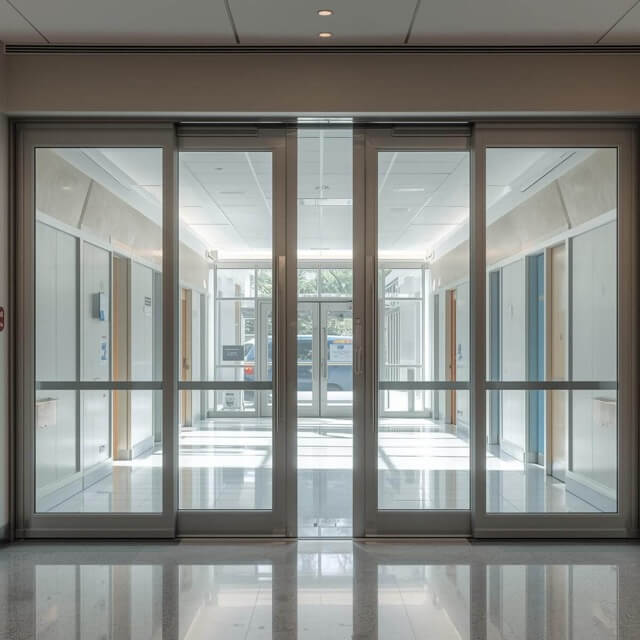
- Aesthetic Integration: The framing of the retrofit system can be finished to match any existing mullion color, making the installation virtually unnoticeable.
- System Weight and Profile: The total weight per square foot is a crucial data point for structural engineers. The profile dimensions of the framing will inform sightlines and clearance requirements.
Collaborating with Security Glazing Engineers
The most significant advantage of specifying an engineered retrofit system is the access it provides to specialized expertise. Engaging directly with security glazing engineers transforms the specification process from a complex puzzle into a streamlined, collaborative partnership. This collaboration ensures every technical detail is accounted for, from the initial site survey to the final installation. This single point of accountability guarantees the specified system meets the ballistic standard and integrates flawlessly into the building’s architecture, preserving the original design intent without compromise.
Conclusion: Security and Design Integrity Can Coexist
The evolution of security glazing has reached a critical inflection point. The frustration voiced by specifiers forced to compromise their design vision for a security mandate is a relic of an era dominated by replacement products. Engineered retrofit systems that meet the rigorous UL 752 Level 3 ballistic standard are definitive proof that this compromise is no longer necessary.
These systems prove a building’s first line of defense can be virtually invisible. By securing the existing glazing from within a custom-extruded aluminum frame, the solution integrates into the building rather than imposing itself upon it. This approach directly addresses the core challenge of modern architectural security, achieving a high level of threat mitigation without announcing it to the world or sacrificing the design itself.
For architects and security professionals seeking to implement this modern approach, the path forward involves a shift in the specification process.
- Evaluate security requirements on a threat-specific basis, looking beyond monolithic products to solutions engineered for defined risks.
- Engage with manufacturers of engineered retrofit systems early in the design phase to understand integration possibilities.
- Request detailed performance data, independent testing certifications, and engineering specifications.
- Analyze the total project impact, factoring in the avoidance of demolition, business disruption, and the preservation of the existing building envelope.

Frequently Asked Questions
What is the main difference between traditional level 3 bulletproof glass and a retrofit security system?
Traditional level 3 bulletproof glass is a thick, heavy, multi-laminate glass product that requires the complete removal and replacement of your existing windows and frames. A retrofit security system is an engineered polycarbonate shield installed over your existing glass, using patented anchors to attach to the current window frame. This enhances security to the same UL 752 Level 3 standard without the cost, disruption, and architectural changes of a full replacement.
Can a retrofit system truly achieve a UL 752 Level 3 rating?
Yes. Professionally engineered retrofit systems are rigorously tested as a complete assembly, including the polycarbonate shield, the patented anchors, and the framing. They are certified by Underwriters Laboratories (UL) to meet the UL 752 Level 3 standard, which requires the system to stop multiple rounds from a .44 Magnum handgun. It is crucial to specify a system that is certified as a whole, not just one with a “Level 3” glazing panel.
Will a ballistic retrofit system change the appearance of my building?
When properly specified and installed, a high-quality retrofit system is virtually invisible. The protective framing is custom-finished to match the color and profile of your existing window mullions. Because the original glass is kept in place, the building’s exterior appearance and architectural lines remain completely unchanged, preserving the original design intent.
How disruptive is the installation of a retrofit security glazing system?
Installation is minimally disruptive compared to traditional replacement. The process does not involve demolition, so there is significantly less noise, dust, and debris. Installers work on the existing window units without needing to tear out frames or repair surrounding walls. This allows facilities like schools, offices, and government buildings to remain fully operational during the upgrade, avoiding costly downtime.