- Debunking the Myth of ‘Bulletproof’ Glass and Defining Modern Ballistic Resistance
- The Fundamental Science: Polycarbonate’s Superiority Over Traditional Glazing Materials
- Deconstructing Conventional ‘Bullet-Resistant Glass’: Limitations of Laminated Glass and Acrylic
- The Material Science of Polycarbonate: High Impact Strength, Ductility, and Composition
- A Comparative Analysis: Strength-to-Weight Ratio and Thickness Advantages of Polycarbonate Sheets
- Understanding the Failure Modes of Traditional Security Glazing Solutions
- Advanced Threat Mitigation: Multi-Shot Performance and Spall Prevention in Polycarbonate Systems
- Engineering for Sustained Attacks: The Critical Importance of Multi-Hit Capability
- The Phenomenon of Spall: Internal Ballistic Impact and Dangerous Secondary Hazards
- Polycarbonate’s Unique Spall-Reducing Properties: Absorbing Energy Without Fragmenting
- Beyond Ballistics: Enhancing Forced Entry Resistance and Blast Mitigation
- Architectural Security & Design Integrity: Why Thinner, Lighter, and Clearer Matters
- Seamless Integration: Specifying and Installing Advanced Polycarbonate Retrofit Solutions
- Tailoring Protection: Selecting Appropriate UL 752 Levels for Specific Threat Environments
- Retrofit vs. New Construction: Strategic Implementation Considerations for Existing Storefront Glass
- Patented Systems for Enhanced Security: Integrating DefenseLite and BulletShield as Advanced Polycarbonate Solutions
- Installation Best Practices and Considerations for System Longevity
- Conclusion: How Modern Buildings Achieve True Ballistic Resistance
- Frequently Asked Questions
Debunking the Myth of ‘Bulletproof’ Glass and Defining Modern Ballistic Resistance
The Misnomer of ‘Bulletproof’: Understanding Ballistic Resistance Terminology
Polycarbonate bulletproof glass is the foundation of modern ballistic-resistant glazing systems, engineered to absorb, disperse, and stop high-velocity threats while preserving architectural design.
The term “bulletproof glass” is a pervasive misnomer in common parlance. In architectural security, no material is truly “bulletproof” in the absolute sense. Instead, materials are engineered to be “bullet-resistant” or “ballistic-resistant.” This distinction is critical for specifiers. Ballistic resistance denotes a material or system’s capacity to withstand one or more ballistic impacts. It absorbs the projectile’s energy, preventing penetration or the release of hazardous spall from the protected side. Understanding this terminology is foundational for accurate threat assessment and effective material specification of advanced security glazing solutions.
Introduction to Performance Standards: The Crucial Role of UL 752 for Architectural Security
To ensure precise and verifiable performance, security glazing materials undergo rigorous testing against established industry standards. The Underwriters Laboratories (UL) Standard 752, “Standard for Bullet-Resisting Equipment,” is the predominant benchmark for evaluating the ballistic performance of materials intended for architectural security applications. This standard provides a consistent framework for classifying materials based on their ability to resist specific types of ballistic threats under controlled conditions. Adherence to a specific UL 752 rating ensures that specified products meet a defined level of protection, offering architects and security managers a reliable basis for their design decisions.
Differentiating Threat Levels: From Forced Entry to High-Caliber Ballistics (UL 752 Levels 1-8)
UL 752 categorizes ballistic resistance into eight distinct levels, each corresponding to an increasing degree of threat. These levels are meticulously defined by the type of weapon, ammunition, and projectile velocity used during testing.
- UL Levels 1-3: Primarily designed to resist common handgun threats, ranging from .38 Special to .44 Magnum cartridges. These levels are often suitable for retail environments, administrative offices, and certain public facilities where such threats are prevalent.
- UL Levels 4-6: Address higher-power handgun and shotgun threats, including 9mm submachine guns and 12-gauge shotguns. Applications extend to financial institutions, government buildings, and higher-risk commercial facilities.
- UL Levels 7-8: Engineered for protection against high-powered rifle rounds, such as 7.62mm NATO and .30-06 caliber armor-piercing projectiles. These levels are typically specified for critical infrastructure, military installations, and other environments demanding the highest degree of ballistic resistance.
Selecting the appropriate UL 752 level is paramount. It must be directly correlated with a thorough threat assessment, ensuring the deployed security glazing effectively mitigates identified risks without over-specifying or under-specifying protection.
The Fundamental Science: Polycarbonate’s Superiority Over Traditional Glazing Materials
Deconstructing Conventional ‘Bullet-Resistant Glass’: Limitations of Laminated Glass and Acrylic
Traditional “bullet-resistant glass” typically consists of multiple layers of glass bonded together with polymer interlayers. While effective to a degree, this construction relies on the successive shattering of glass layers to dissipate energy. This inherent fragility leads to several limitations.
- Excessive Weight and Thickness: Achieving higher UL ratings requires numerous glass layers, resulting in exceptionally heavy and thick panels. This significantly impacts structural loads and necessitates robust framing systems, often compromising architectural aesthetics.
- Limited Multi-Hit Capability: Once compromised by an impact, the structural integrity of the affected area is significantly reduced, offering diminished resistance to subsequent shots in close proximity.
- Spalling Risk: Under impact, glass can splinter on the protected side, creating dangerous secondary projectiles that can cause injury even if the primary projectile does not penetrate. This phenomenon is known as spall.
- Optical Distortion: Thicker laminated glass can sometimes introduce optical distortion, especially at oblique angles, which can be detrimental to clarity and surveillance.
- Acrylic Limitations: While lighter than glass, monolithic acrylic offers lower ballistic performance per unit thickness. It is also highly susceptible to scratching and UV degradation, leading to hazing over time.
These limitations collectively present a significant challenge for architects seeking advanced security solutions that do not compromise a building’s design integrity or operational efficiency.
The Material Science of Polycarbonate: High Impact Strength, Ductility, and Composition
Polycarbonate, in contrast, is a high-performance thermoplastic polymer renowned for its exceptional material properties. Its molecular structure provides a unique combination of strength and ductility. When subjected to ballistic impact, polycarbonate does not shatter like glass. Instead, it absorbs and disperses the projectile’s kinetic energy through localized deformation and molecular-level energy transfer.
- High Impact Strength: Polycarbonate exhibits an Izod impact strength significantly higher than glass or even many metals, making it inherently resistant to high-velocity impacts.
- Ductility: This property allows the material to flex and deform rather than fracture, distributing impact forces over a larger area. This controlled deformation prevents catastrophic failure and minimizes spall.
- Composition: Modern ballistic-resistant polycarbonate typically employs monolithic sheets or multi-ply laminates where layers of polycarbonate are bonded together. Sometimes, these layers include interlayers or an abrasion-resistant outer coating (often acrylic) to enhance durability without sacrificing ballistic performance. This engineered composition maximizes energy absorption while maintaining optical clarity. These bullet-resistant polycarbonate sheets represent a significant advancement.
A Comparative Analysis: Strength-to-Weight Ratio and Thickness Advantages of Polycarbonate Sheets
The superior material science of polycarbonate translates directly into profound practical advantages for architectural security applications.
- Exceptional Strength-to-Weight Ratio: For an equivalent UL ballistic rating, polycarbonate security glazing is typically 50% to 75% lighter than traditional laminated glass. This drastic reduction in weight alleviates structural load concerns, simplifies installation, and reduces transportation costs.
- Reduced Thickness: Polycarbonate solutions can achieve the same ballistic resistance at a fraction of the thickness of glass-based systems. For instance, a UL Level 3 polycarbonate system can be less than half the thickness of its glass counterpart.
These advantages are pivotal for addressing the aesthetic concerns of architects. A thinner, lighter solution can be seamlessly integrated into existing window frames or new construction without the bulky appearance often associated with traditional bulletproof glass. This capability allows for the preservation of a building’s original design integrity, even facilitating “virtually invisible” retrofits where security enhancements are required without altering the architectural facade.
Understanding the Failure Modes of Traditional Security Glazing Solutions
The failure mode of a ballistic material is as critical as its ability to stop a projectile. Traditional laminated glass, despite its multi-layered construction, exhibits a brittle failure mode. Upon impact, the glass layers immediately fracture and craze. While the interlayers attempt to hold the fragments, the material’s structural integrity is fundamentally compromised.
Key failure characteristics include:
- Catastrophic Localized Damage: The impact point and surrounding area undergo extensive fracturing, creating a distinct “spiderweb” pattern.
- Spalling: This is a primary concern. Even if the projectile is stopped, fragments of glass can detach from the protected side at high velocity, posing a significant risk of injury to occupants.
- Limited Durability: The residual strength of the impacted area is severely diminished, making it highly vulnerable to subsequent attacks or even simple vibrations.
In stark contrast, polycarbonate’s ductile failure mode means it absorbs energy primarily through elastic and plastic deformation, localized stretching, and molecular rearrangement. This results in minimal, if any, spall on the protected side, a crucial safety benefit. The material might delaminate or deform, but it retains its cohesive structure and often offers residual resistance to further impacts in areas adjacent to the initial strike. This provides a more robust and safer solution in a multi-shot scenario.
Advanced Threat Mitigation: Multi-Shot Performance and Spall Prevention in Polycarbonate Systems
Modern security demands go beyond simply stopping a single bullet. Contemporary threats often involve sustained attacks, requiring materials that can withstand multiple impacts without structural failure or creating additional hazards. This section delves into how advanced polycarbonate security glazing systems are engineered to meet these complex challenges, offering protection far surpassing that of traditional materials.
Engineering for Sustained Attacks: The Critical Importance of Multi-Hit Capability
The conventional understanding of bulletproof glass often centers on its ability to defeat a single ballistic threat. However, real-world scenarios frequently involve assailants discharging multiple rounds in rapid succession, often targeting the same general area to achieve penetration. Traditional laminated glass, while capable of stopping an initial projectile, can suffer significant delamination and structural compromise with subsequent impacts in close proximity. This renders the system increasingly vulnerable and can lead to penetration.
Advanced polycarbonate security glazing is engineered specifically for multi-shot capability. Its inherent ductility and elastic properties allow it to absorb and distribute kinetic energy across a larger area with each impact. Instead of fragmenting or delaminating catastrophically, the material deforms locally, containing the ballistic energy and maintaining its structural integrity against successive rounds. This sustained performance is a critical factor in protecting occupants during prolonged threats, providing invaluable time for response protocols.
The Phenomenon of Spall: Internal Ballistic Impact and Dangerous Secondary Hazards
A significant, yet often overlooked, danger associated with ballistic impacts on traditional glazing is spall. Spall refers to fragments of material that detach from the non-threat side of a barrier upon ballistic impact. When a projectile strikes a traditional glass laminate, even if the bullet is stopped, the immense transfer of kinetic energy can cause glass shards or fragments from the interior laminate layers to dislodge and project inwards at high velocity. These secondary projectiles pose a severe threat to occupants, potentially causing significant injury or even fatality, regardless of whether the primary projectile penetrated the barrier.
Polycarbonate’s Unique Spall-Reducing Properties: Absorbing Energy Without Fragmenting
Polycarbonate fundamentally alters the response to ballistic impact compared to glass. Due to its superior tensile strength and ductility, polycarbonate security glazing does not fragment upon impact. Instead, the material flexes and elastically deforms, absorbing the kinetic energy of the projectile without releasing dangerous spall into the protected space. This energy dissipation mechanism is crucial for occupant safety. The material’s ability to “catch” the projectile and prevent secondary shrapnel from forming provides a demonstrably safer environment, mitigating a critical hazard inherent in traditional glazing solutions. This inherent characteristic significantly enhances the overall protective envelope of a building.
Beyond Ballistics: Enhancing Forced Entry Resistance and Blast Mitigation
While ballistic protection is paramount, advanced polycarbonate security glazing systems extend their protective capabilities beyond just stopping bullets. The same properties that enable superior ballistic performance also contribute significantly to mitigating other common threats.
- Forced Entry Resistance: Polycarbonate’s exceptional impact strength and toughness make it highly resistant to forced entry attempts involving blunt objects, repetitive impacts, or even tools designed for breaking through conventional barriers. Unlike glass, which shatters and weakens, polycarbonate deforms, maintaining its integrity and delaying entry, buying critical time for security personnel to respond.
- Blast Mitigation: In the event of an explosive blast, traditional glass shatters into lethal projectiles, exacerbating injuries. Polycarbonate systems are engineered to absorb and distribute blast pressure waves. Rather than fragmenting, they flex and contain the blast force, significantly reducing the risk of flying debris and providing a more robust barrier against pressure differentials, thereby enhancing occupant safety in an active blast zone. This multifaceted protection profile underscores the material’s role in comprehensive threat mitigation strategies.
Architectural Security & Design Integrity: Why Thinner, Lighter, and Clearer Matters
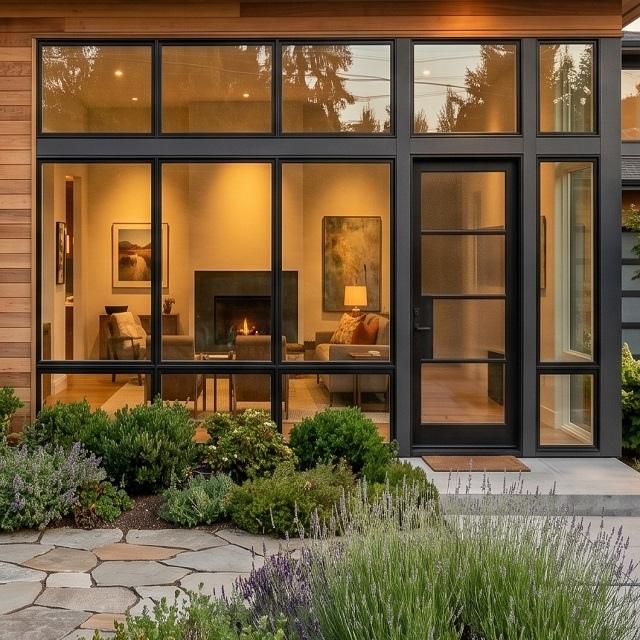
The integration of robust security measures often presents architects with a significant challenge: how to enhance protection without compromising a building’s aesthetic vision or structural integrity. This tension is particularly acute with security glazing. Advanced polycarbonate solutions, by virtue of their physical properties, offer a compelling resolution, enabling superior security that is virtually invisible.
The Aesthetic Imperative: Balancing Security with Uncompromised Design Vision for Architects
For architects, the building’s aesthetic often represents the culmination of a carefully considered design vision. Security installations must ideally complement this vision, not detract from it. The very phrase “bulletproof glass” often conjures images of thick, visually obtrusive barriers, leading to concerns about diminishing natural light, distorting views, and altering the facade’s intended appearance. This can be a significant pain point for architects like Principal Architect Alex Chen, who seek security glazing solutions that respect and integrate with the building’s original design. Polycarbonate security glazing directly addresses this by offering high levels of protection in profiles that are inherently more discreet, allowing the architect’s original aesthetic to remain largely undisturbed.
The Impact of Thickness and Weight on Building Structures, Curtain Walls, and Fenestration
The sheer thickness and weight of traditional, multi-layered “bulletproof glass” systems introduce substantial engineering challenges. A typical ballistic-rated glass laminate can be several inches thick and weigh significantly more per square foot than standard architectural glass. This increased weight places considerable strain on existing building structures, curtain wall systems, and fenestration frames. It often necessitates costly and complex structural reinforcements, upgraded framing materials, and specialized hardware, impacting both budget and design flexibility. For retrofit projects, these structural demands can make traditional ballistic glass impractical or impossible.
Polycarbonate security glazing, conversely, achieves equivalent or superior ballistic ratings at a fraction of the thickness and weight. This substantial reduction in mass and bulk mitigates the need for extensive structural modifications. It simplifies installation, reduces material handling costs, and broadens the applicability of security upgrades, particularly for existing buildings where structural limitations are a primary concern. The lighter profile supports more elegant framing systems and preserves the original structural design intent, directly addressing the challenge of integrating robust security with existing curtain wall and storefront glass.
Optical Clarity and Distortion: Maintaining Visual Transparency in Security Glazing Solutions
Beyond physical bulk, traditional laminated glass for security can also introduce visual imperfections. The multiple layers of glass and interlayers, especially at increased thicknesses, can lead to optical distortion, color shifts, or a noticeable “greening” effect around the edges. These optical anomalies can detract from a building’s appearance, obscure views, and reduce the quality of transmitted natural light, compromising the user experience.
Advanced polycarbonate security glazing systems are engineered to provide exceptional optical clarity. The manufacturing processes and material science behind these systems ensure high light transmission and minimal distortion, maintaining crisp, clear views. This allows natural light to permeate interior spaces without adverse color shifts or visual imperfections, preserving the building’s intended ambiance and visual connection to its surroundings.
Achieving ‘Virtually Invisible’ Integration: How Polycarbonate Preserves Original Aesthetics
The combination of thinner profiles, reduced weight, and superior optical clarity culminates in the ability to achieve ‘virtually invisible’ security integration. For architects and specifiers, this means implementing robust ballistic and forced entry protection without compromising the building’s architectural integrity or visual appeal. Whether integrated into new construction or retrofitted into existing fenestration, polycarbonate systems can blend seamlessly with the original design. The security layer becomes an unobtrusive component, maintaining facade lines, sightlines, and the overall aesthetic character of the structure. This capacity to deliver uncompromised security without sacrificing design vision is a fundamental differentiator and a key advantage for modern architectural applications, making polycarbonate bulletproof glass solutions an ideal choice.
Seamless Integration: Specifying and Installing Advanced Polycarbonate Retrofit Solutions
The challenge for architects and security specifiers often lies in implementing robust security measures without compromising a structure’s original design integrity or operational continuity. Advanced polycarbonate security glazing systems directly address this by offering solutions engineered for seamless integration, particularly in retrofit scenarios. Their inherent material properties facilitate discreet, high-performance installations that preserve architectural aesthetics while significantly enhancing threat mitigation capabilities.
Tailoring Protection: Selecting Appropriate UL 752 Levels for Specific Threat Environments
Effective security begins with a precise understanding of the threat. The Underwriters Laboratories (UL) 752 standard provides a standardized framework for evaluating the ballistic resistance of materials, ranging from handguns to high-powered rifles. Selecting the appropriate UL 752 level for a security glazing system is not a one-size-fits-all decision. It demands a meticulous threat assessment. This involves evaluating the building’s location, its operational function, the nature of its occupants, and historical or potential threat vectors.
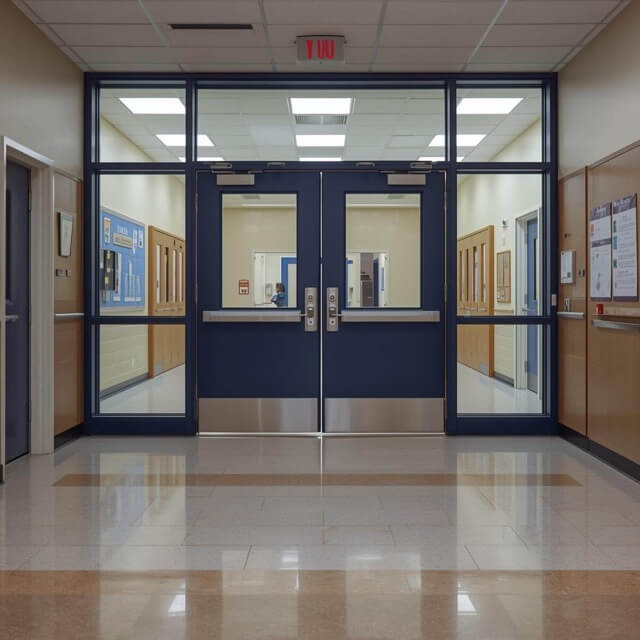
For instance, a street-level retail storefront in an urban area might require a different level of protection than a federal building or a school entrance. Polycarbonate solutions are engineered to meet and often exceed these UL 752 classifications, providing multi-shot protection against specific calibers, unlike traditional glass, which typically fails after a single impact. Specifiers must collaborate with security consultants to determine the precise UL 752 rating necessary to counter identified threats, ensuring an optimal balance of protection and cost-effectiveness.
Retrofit vs. New Construction: Strategic Implementation Considerations for Existing Storefront Glass
The distinct physical properties of advanced polycarbonate glazing systems make them exceptionally well-suited for retrofit security applications, particularly over existing storefront glass. Unlike traditional “bulletproof glass,” which demands significant structural modifications due to its extreme weight and thickness, polycarbonate offers a much lighter and thinner profile. This characteristic allows for the installation of a secondary layer of ballistic protection over the existing glass without necessitating extensive—and often costly—modifications to the framing system or building façade.
This strategic implementation preserves the original fenestration system, maintaining the architectural aesthetic that is critical for designers like Principal Architect Alex Chen. The lightweight nature of polycarbonate significantly reduces stress on existing building infrastructure, while its thinner profile allows for virtually invisible integration. The result is an upgraded security posture that is less disruptive, faster to install, and considerably more cost-effective than full window replacement, all while upholding the building’s visual harmony.
Patented Systems for Enhanced Security: Integrating DefenseLite and BulletShield as Advanced Polycarbonate Solutions
To meet the complex demands of modern threat mitigation, engineered solutions such as DefenseLite and BulletShield have emerged as leading examples of advanced polycarbonate security glazing. These are not merely sheets of plastic. They represent patented, multi-layer systems designed for superior ballistic and forced entry resistance. DefenseLite, for example, is a clear, secondary glazing system installed over existing glass. It creates a high-security air-cavity system that offers robust protection against various threats, including ballistic impacts and forced entry.
BulletShield systems similarly leverage proprietary polycarbonate formulations and layered designs to achieve specified UL 752 ballistic ratings. Their patented construction ensures not only ballistic resistance but also superior anti-spall properties, preventing dangerous glass shards from entering the protected space upon impact. These systems from Impact Security LLC are rigorously tested and certified, offering specifiers confidence in their performance and their ability to integrate seamlessly with diverse architectural styles while providing a formidable barrier against determined attackers.
Installation Best Practices and Considerations for System Longevity
Achieving the full performance and aesthetic benefits of advanced polycarbonate security glazing hinges on adherence to stringent installation best practices. Even the most technologically advanced material can underperform if improperly installed. Key considerations include precise measurements to ensure a tight, secure fit within or over existing frames, minimizing gaps that could be exploited. Furthermore, the use of appropriate sealants and anchoring hardware is paramount to maintaining the system’s structural integrity and resistance against both ballistic impacts and forced entry attempts.
Longevity of the system also relies on proper material handling and ongoing maintenance protocols. While polycarbonate is exceptionally durable, its surface can be susceptible to scratching if abrasive cleaning agents or tools are used. Specifiers should ensure that end-users are provided with clear guidelines for cleaning and care, recommending non-abrasive cloths and approved cleaning solutions. Professional installation by certified technicians, trained in the specific nuances of these advanced systems, is non-negotiable to guarantee the specified ballistic rating is achieved and sustained throughout the product’s lifespan, ensuring both security and optical clarity are preserved.
Conclusion: How Modern Buildings Achieve True Ballistic Resistance
Polycarbonate bulletproof glass represents a fundamental shift in how modern buildings achieve true ballistic resistance. Unlike traditional glass, which fractures under extreme force, polycarbonate-based systems are engineered to absorb and dissipate high-velocity impacts, preventing penetration and minimizing risk to occupants. This makes them an essential component in today’s security glazing solutions, particularly for storefronts and high-exposure environments.
When integrated into advanced retrofit systems, polycarbonate bulletproof glass delivers certified protection without the need for costly and disruptive full window replacements. It preserves architectural integrity, maintains optical clarity, and enhances overall building resilience against a wide range of threats—from ballistic attacks to forced entry and vandalism.
For architects, security professionals, and business owners, the takeaway is clear: effective protection is not about thicker glass, but smarter engineering. By leveraging the unique properties of polycarbonate within a multi-layered system, it is possible to achieve high-performance security that is both discreet and durable—meeting today’s safety demands without compromising design or operations.
Frequently Asked Questions
What is the difference between “bulletproof glass” and ballistic-resistant polycarbonate?
“Bulletproof glass” is a misnomer; no material is truly bulletproof. Ballistic-resistant polycarbonate, or security glazing, is engineered to resist and absorb ballistic impacts. It offers superior multi-shot capability, lighter weight, and thinner profiles compared to traditional laminated glass, often referred to as bulletproof glass, which shatters and has limited multi-hit performance.
How does polycarbonate security glazing prevent spall?
Polycarbonate’s inherent ductility and high impact strength allow it to absorb and disperse the kinetic energy of a ballistic impact through localized deformation, rather than shattering. This prevents fragments, known as spall, from detaching from the protected side and posing a hazard to occupants.
Can polycarbonate security glazing be retrofitted onto existing windows?
Yes, advanced polycarbonate solutions are ideal for retrofit security applications. Their significantly lighter weight and thinner profile compared to traditional ballistic glass mean they can be installed over existing storefront glass or within existing window frames without requiring extensive structural modifications, preserving architectural aesthetics.
What is a UL 752 rating, and why is it important for security glazing?
UL 752 is a standard developed by Underwriters Laboratories that classifies the ballistic resistance of materials. It specifies the type of weapon, ammunition, and projectile velocity a material can withstand. This rating is crucial for specifiers to ensure the chosen security glazing solution meets a verified level of protection for specific threat environments.
What are some examples of patented polycarbonate security glazing systems?
Systems like DefenseLite and BulletShield are examples of patented polycarbonate security glazing solutions. These multi-layer systems leverage proprietary polycarbonate formulations and engineered designs to offer superior ballistic and forced entry resistance, often providing multi-shot capability and anti-spall properties beyond what traditional laminated glass can offer.