Table of Contents
- Introduction to Bullet Proof Window Film
- Understanding Security Window Film vs. Bulletproof Glass
- Applications and Effectiveness of Security Window Film
- Installation Process and Cost Comparisons
- Common Misconceptions and Solutions
- Conclusion and Next Steps
- Frequently Asked Questions
Introduction to Bullet Proof Window Film
If you’re searching for “bullet proof window film,” you need to know an important truth: there is no such thing as a film that transforms regular glass into bullet resistant glass. Security window film—the actual product people are seeking—serves a different but valuable purpose in building protection strategies.
Security window film is a polyester-based lamination applied to existing glass that holds broken glass together when shattered, delays forced entry attempts, and reduces injury from flying debris. However, on standard glass, the film will not stop a bullet; it only slows it down and manages the fragments. This distinction is critical for school administrators, business owners, security professionals, and property managers making informed security decisions.
The direct answer: Security window film holds shattered glass in place and can delay an intruder by up to several minutes, but it cannot stop bullets when applied to regular glass. True ballistic protection requires bullet resistant glass systems rated under UL 752 standards.
By reading this guide, you will gain:
- Clear understanding of what security film can and cannot accomplish
- Knowledge of when to choose security film versus bulletproof glass
- Accurate cost comparisons between protection options
- Installation requirements for effective performance
- Guidance on avoiding misleading marketing claims
Understanding Security Window Film vs. Bulletproof Glass
Making informed security decisions requires understanding the fundamental differences between these two protection approaches. What works for deterring smash-and-grab theft differs substantially from what stops bullets in an active shooter situation.
What Security Window Film Actually Does
Security window film is designed to hold shattered glass in place, reducing the risk of injury from flying glass during an impact or forced entry. The films are made of high-strength, micro-layered polyester that stretches to absorb and spread the kinetic energy of a projectile across a larger surface area.
When glass is struck and shatters, a powerful adhesive bonds the shards to the film, keeping the glass pane intact within the frame. This mechanism creates a barrier that delays access to a building during an attack. The film’s primary strength is holding shattered glass together, which can delay an intruder by up to several minutes—often enough time for occupants to seek shelter or for law enforcement to respond.
By containing glass shards after an impact, the film prevents “spall,” which are high-velocity shards that cause severe injury. While security window films can delay forced entry by holding glass together, they do not stop bullets unless installed on ballistic-rated glass.
True Bulletproof Glass Systems
Bulletproof glass is a broad term that describes a variety of clear, bullet-resistant barriers, which can include materials like acrylic, laminated polycarbonate, glass-clad polycarbonate, and insulated glass. Unlike security film applied to existing glazing, these systems are engineered specifically for ballistic protection.
Bulletproof glass is designed to trap a bullet and disperse its energy, making it more effective than security window films for ballistic protection. Property owners selecting bulletproof glass options for ultimate ballistic resistance must match the glazing system’s rating to the caliber of the ammunition and the rating of the glass, with no material being completely impervious to all threats.
UL 752 ratings establish clear performance standards:
| UL 752 Level | Ammunition | Shots Required |
|---|---|---|
| Level 1 | 9mm handgun | 3 shots |
| Level 2 | .357 Magnum | 3 shots |
| Level 3 | .44 Magnum | 3 shots |
| Level 4 | .30-06 rifle | 1 shot |
| Level 5-8 | Various rifles | Multiple shots |
| Bulletproof windows require specialized maintenance and should be replaced every 20 years, as UV exposure can degrade their protective layers over time. |
The Critical Difference
The distinction between security film on regular glass and ballistically rated glass systems comes down to threat level and budget constraints. Understanding the relative performance of different bullet-resistant materials ranked by effectiveness helps clarify when to specify film, laminated glass, acrylic, or polycarbonate systems. Security window films are often referred to as ‘ballistic window films’, but they are not ballistically rated unless applied over glass that meets specific thickness requirements.
Security film excels at:
- Deterring forced entry through windows and doors
- Protecting against vandalism and storm damage
- Reducing injury from broken glass
- Providing a cost effective solution for lower-threat environments
Bullet proof glass is necessary when:
- Ballistic threats are a realistic concern
- Protection against specific calibers is required
- Budget allows for significant investment
- Structural modifications are feasible
Understanding this critical difference prevents costly mistakes and ensures your security measures match your actual threat profile.
Applications and Effectiveness of Security Window Film
Real-world applications demonstrate where security film provides meaningful protection and where more robust solutions become necessary. For many facilities, comparing traditional security window film to more robust polycarbonate overglazing systems like DefenseLite clarifies which solution best fits their risk profile. The right choice depends on your specific environment and threat assessment.
School Security Applications
Security window film is used extensively in schools and campuses to delay active shooters, allowing critical time for staff and students to seek shelter. Ballistic window film solutions like RiotLite are specifically engineered to enhance active shooter mitigation by delaying access through glass and glazing. Active shooter mitigation refers to techniques, materials, and security measures used to prevent and slow individuals attempting to harm people in populated areas with firearms.
In school settings, security film typically delays entry for 30-60 seconds—crucial time that allows occupants to implement lockdown procedures. Conducting a site assessment to identify vulnerabilities, such as unlocked doors and weak glass, is a crucial first step in preparing for an active shooter situation.
Film thickness options range from 8-21 mils, with thicker films providing greater delay capabilities:
- 8-mil film: Basic protection for interior glass and office windows
- 12-15 mil film: Standard for classroom windows and reception areas
- 21-mil film: Maximum protection for main entrances and entrance vestibules
While bulletproof windows provide a layer of protection, they are not a standalone solution; schools must also address other vulnerabilities, such as unlocked doors and comprehensive security strategies. Many schools combine security film with retrofit bullet-resistant glazing systems like BulletShield, along with access control systems, surveillance cameras, and staff training for layered protection.
Commercial Building Protection
Security film acts as a powerful deterrent against smash-and-grab thefts in retail and commercial spaces by making it significantly harder for intruders to break through glass storefronts. The film is applied to banks and municipal buildings for forced entry protection as a secondary layer of defense in lobbies.
For commercial applications, security film provides:
- Protection of high-traffic areas with large glass windows
- Reduced liability from broken glass injuries
- Storm and debris protection for glass windows
- Maintained optical clarity without aesthetic disruption
Specifically engineered films help protect occupants from flying debris caused by industrial explosions, bomb blasts, or severe weather events. In many cases, they are combined with other shatter-resistant glass protection solutions like laminated glass and polycarbonate panels for broader threat coverage. Most security films offer additional environmental benefits, such as blocking up to 99% of UV rays to prevent furniture from fading.
Residential Security Uses
Homeowners benefit from security film on door glass, side windows, and back doors where forced entry is most likely. Many residential and light commercial properties also consider comprehensive glass security solutions for windows and doors that combine security film with other protective glazing options. High-quality films are virtually invisible, maintaining the building’s original look, which is ideal for historic or residential properties.
Residential applications include:
- Burglary deterrence on ground-floor glass windows
- Safety during accidents involving window glass
- Protection from natural disasters and severe weather
- Privacy options with tinted security film products
The extra layer of protection helps prevent entry while maintaining the home’s appearance—a significant advantage over visible security measures like bars or shutters.
Installation Process and Cost Comparisons
Proper installation determines whether security film performs as expected or fails when needed most. Understanding the process and costs helps you budget appropriately and select qualified installers.
Professional Installation Requirements
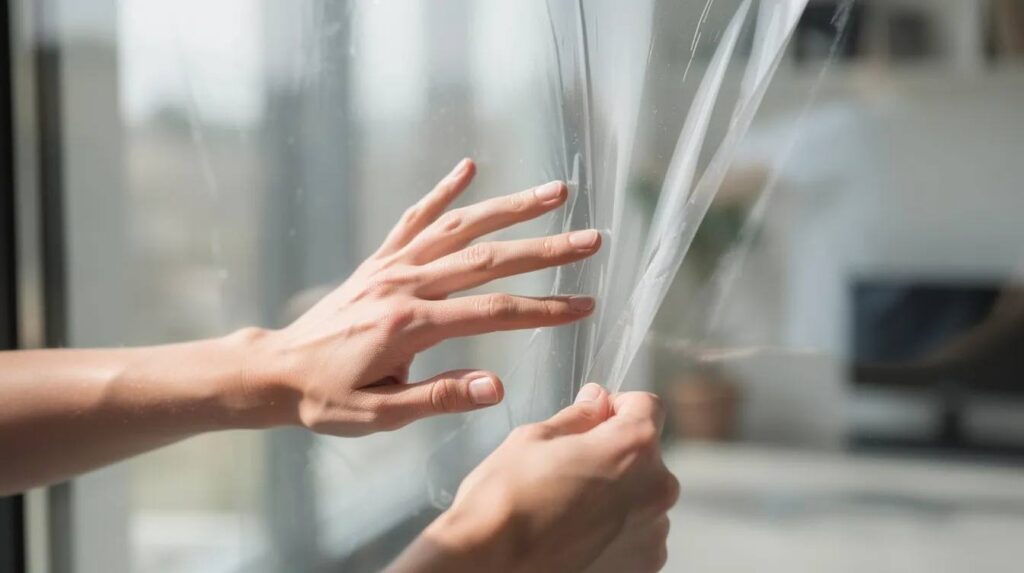
For maximum effectiveness, the film must be secured to the window frame using specialized anchoring systems. Many projects pair professional installation with vetted bulletproof window and door systems to create a layered security envelope. Installation involves four critical steps:
Step 1: Surface Preparation All glass surfaces must be thoroughly cleaned to remove dirt, oils, and debris. Window frames are inspected for damage or seal defects that could compromise film adhesion. The film’s effectiveness is limited by the quality of the underlying glass; older or brittle frames may fail regardless of the film’s strength.
Step 2: Film Application Film is applied wet to allow positioning and removal of air bubbles. Professional installers use specialized tools to ensure complete adhesion without trapped air or moisture. This technique requires training and experience—improper application creates weak points.
Step 3: Frame Anchoring The film must be anchored to the existing glazing frame using structural glazing compound or mechanical attachment systems. Without proper anchoring, the entire glass panel may dislodge from the frame even if the film holds the broken glass together.
Step 4: Curing and Testing Adhesives require 30-90 days for full bond strength development. Critical installations may include impact testing to verify performance. Film installed correctly provides reliable protection throughout its lifespan.
Cost Analysis Comparison
Cost differences between security film and bulletproof glass are substantial:
| Factor | Security Window Film | Bullet Resistant Glass |
|---|---|---|
| Material cost per sq ft | $8-18 | $30-600+ |
| Installed cost per sq ft | $15-25 | $60-450 |
| Installation time | Hours per window | Weeks for project |
| Structural modifications | Rarely needed | Often required |
| Lifespan | 10-20 years | 20+ years |
| The cost of bulletproof glass can vary significantly, with prices around $500 per square foot for glass that can stop high-power rifle rounds. Installation costs for bulletproof windows include the price per square foot, necessary structural modifications, and labor costs, which can vary based on the complexity of the installation. |
For comparison, the installation of small bulletproof window systems can start from $7,000 to $10,000, while mid-size systems may cost between $15,000 and $25,000, depending on the number of windows and specific requirements.
A typical school security film project covering 50 windows might cost $15,000-25,000, while bulletproof glass for the same windows could exceed $150,000-300,000. This makes security film a cost-effective solution when ballistic protection isn’t the primary requirement.
Common Misconceptions and Solutions
Widespread confusion in the security film market leads to poor purchasing decisions and false expectations. Understanding these misconceptions protects your investment.
Myth: Security Film Stops Bullets
The most dangerous misconception is that security film provides ballistic protection on regular glass. On standard glass, film will not stop a bullet—it only slows projectile velocity slightly and manages glass fragments. Most films max out at lower protection ratings (UL Level 1-3) and typically cannot stop high-powered rifle rounds even on specialized substrates.
The reality: Security film creates a delay and reduces injury from broken glass. Stopping bullets requires bullet resistant window systems with proper UL 752 ratings for the specific calibers you need to defeat. Expecting film to provide bullet resistance on existing glass creates dangerous false security.
Confusion About Product Marketing
Marketing terms like “bulletproof window film” and “ballistic window film” mislead consumers. Security window films are often referred to as ‘ballistic window films’, but they are not ballistically rated unless applied over glass that meets specific thickness requirements.
How to verify legitimate products:
- Request UL 752 certification for the complete assembly (film + glass + frame)
- Ask for independently tested performance data
- Verify that ratings apply to the specific installation, not just the film material
- Confirm the installer’s certification and experience
Bulletproof glass is commonly referred to by various names, but actual ballistic protection requires engineered systems—not marketing terminology applied to standard security film.
Installation Quality Concerns
Improper installation renders even high-quality film ineffective. Common problems include:
- Inadequate surface preparation causing adhesion failure
- Missing or improper frame anchoring
- Air bubbles and gaps reducing film strength
- Incorrect film selection for glass type
Professional installation by certified technicians ensures your investment performs as expected. For higher-threat environments, certified teams may recommend advanced polycarbonate security systems like DefenseLite to complement or replace traditional security film. DIY installation typically fails to achieve proper adhesion and anchoring, leaving glass windows vulnerable despite the appearance of protection.
Conclusion and Next Steps
Security window film and bulletproof glass serve different purposes in building protection strategies. Film excels at delaying forced entry attempts, reducing injury from broken glass, and protecting against environmental threats. True ballistic protection against bullet threats requires engineered bullet resistant glass systems with appropriate UL 752 ratings.
Your immediate action steps:
- Assess your threat level – Determine whether your primary concern is forced entry, vandalism, weather damage, or actual ballistic attack
- Conduct a site assessment – Identify how many windows need protection, their locations, and existing glass conditions
- Request professional consultation – Work with security professionals who can recommend appropriate solutions
- Obtain multiple quotes – Compare pricing from certified installers with verifiable credentials
- Verify all claims – Request UL certifications and independently tested performance data
Consider complementary safety measures including access control systems, surveillance cameras, and staff training. Bulletproof windows in schools are designed to protect against ballistic threats, enhancing safety in areas exposed to gunfire or explosive violence, but the implementation of bulletproof windows in schools can significantly increase perceived safety among students, parents, and educators only when combined with comprehensive security strategies.
Choosing experienced security professionals with certified installation capabilities ensures your protection investment performs when it matters most. Look for installers who explain limitations honestly, provide documented certifications, and offer ongoing support for your security needs.
Frequently Asked Questions
Can security window film stop bullets?
No. Security window film on regular glass cannot stop bullets. The film holds broken glass together and delays forced entry, but bullets penetrate both the glass and film. On standard glass, the film will not stop a bullet; it only slows it down and manages the fragments. While security window films can delay forced entry by holding glass together, they do not stop bullets unless installed on ballistic-rated glass with proper UL 752 certification.
How long does security window film take to install?
Professional installation typically requires 30-60 minutes per window, depending on size and accessibility. A complete school or office building project usually takes 3-5 days. Full adhesive curing requires 30-90 days, though film provides protection immediately after application. Compare this to bulletproof glass installations that may require weeks including manufacturing, shipping, and structural modifications, especially for specialized applications such as bullet-resistant glass security solutions for churches.
What’s the difference between 8-mil and 21-mil security film?
Thicker films provide greater forced entry delay and impact resistance. 8-mil film offers basic shatter protection suitable for interior office windows or lower-risk areas. 21-mil film provides maximum delay capabilities, recommended for main entrances, ground-floor windows, and higher education facilities. The films are made of high-strength, micro-layered polyester, with thicker versions absorbing more kinetic energy before allowing penetration.
Does security film work on tempered glass?
Yes, security film adheres to both tempered and annealed glass. Tempered glass shatters into small cubes, which the film holds together after impact. The combination reduces injury risk and maintains the barrier longer than unfilmed tempered glass. However, the film’s effectiveness is limited by the quality of the underlying glass; older or brittle frames may fail regardless of the film’s strength.
How much does security window film cost compared to bulletproof glass?
Security film costs $8-25 per square foot installed, while bullet resistant glass ranges from $60-450+ per square foot depending on UL rating. The installation of small bulletproof window systems can start from $7,000 to $10,000, while mid-size systems may cost between $15,000 and $25,000. The cost of bulletproof glass can reach around $500 per square foot for protection against high-power rifle rounds.
Can I install security film myself?
DIY installation is not recommended. For maximum effectiveness, the film must be secured to the window frame using specialized anchoring systems that require professional tools and training. When glass is struck and shatters, a powerful adhesive bonds the shards to the film only when installed correctly. Improper installation creates weak points that fail under stress.
How long does security window film last?
High-quality security film lasts 10-20 years depending on UV exposure, climate conditions, and maintenance. Most security films offer additional environmental benefits, such as blocking up to 99% of UV rays, which also helps preserve the film itself. Bulletproof windows require specialized maintenance and should be replaced every 20 years due to UV degradation of protective layers.
Will security film make my windows look different?
High-quality films are virtually invisible, maintaining the building’s original look, which is ideal for historic or residential properties. Most professional-grade security films maintain excellent optical clarity with minimal color shift. Thicker films may have slight reflectivity, but modern manufacturing techniques minimize visible changes to glass windows and door glass.
What security film thickness should schools use?
School security professionals typically recommend 12-21 mil film for educational facilities. First-floor classroom windows and reception areas benefit from 15-mil film minimum. Main entrances and entrance vestibules warrant 21-mil film for maximum delay. Security window film is used extensively in schools and campuses to delay active shooters, with thickness selection based on specific threat assessment and budget.
Does security film help with natural disasters?
Yes. Specifically engineered films help protect occupants from flying debris caused by industrial explosions, bomb blasts, or severe weather events. By containing glass shards after an impact, the film prevents “spall,” which are high-velocity shards that cause severe injury during storms, earthquakes, or explosions. Security film provides valuable protection for other threats beyond forced entry, making it a versatile safety investment.