Table of Contents
Click to jump directly to the topic that matches your security concerns, whether that’s smash-and-grab prevention, active shooter preparedness, or extreme weather resilience.
- Introduction: Why Riot Glass Protection Matters in 2026
- What Is Riot Glass Protection?
- How Riot Glass Protection Works to Stop Forced Entry
- Riot Glass vs. Security Film: Choosing the Right Level of Protection
- Key Applications: Where Riot Glass Protection Makes the Most Impact
- Riot Glass for Active Shooter and High-Threat Environments
- Protecting Glass Storefronts from Riots, Looting, and Extreme Weather
- Installation Options: Retrofit Systems, Framing, and Aesthetics
- Cost, ROI, and Insurance Considerations
- Why Choose Our Team for Riot Glass Protection
- FAQ: Riot Glass Protection
- Conclusion and Next Steps
Introduction: Why Riot Glass Protection Matters in 2026
Picture a downtown jewelry store at 2 a.m. A brick sails through the front window, and within seconds the storefront is wide open. Standard glass fails almost instantly under a heavy strike, giving a burglar or a mob of rioters immediate access to merchandise, employees, and customers inside.
This scenario plays out far more often than most business owners realize. According to NGS research, 83% of retailers reported at least one break-in annually, and 29% experienced 15 or more incidents per year. Standard tempered glass can shatter under a single blow in under 10 seconds, making any building with unprotected glass doors and windows an easier target.
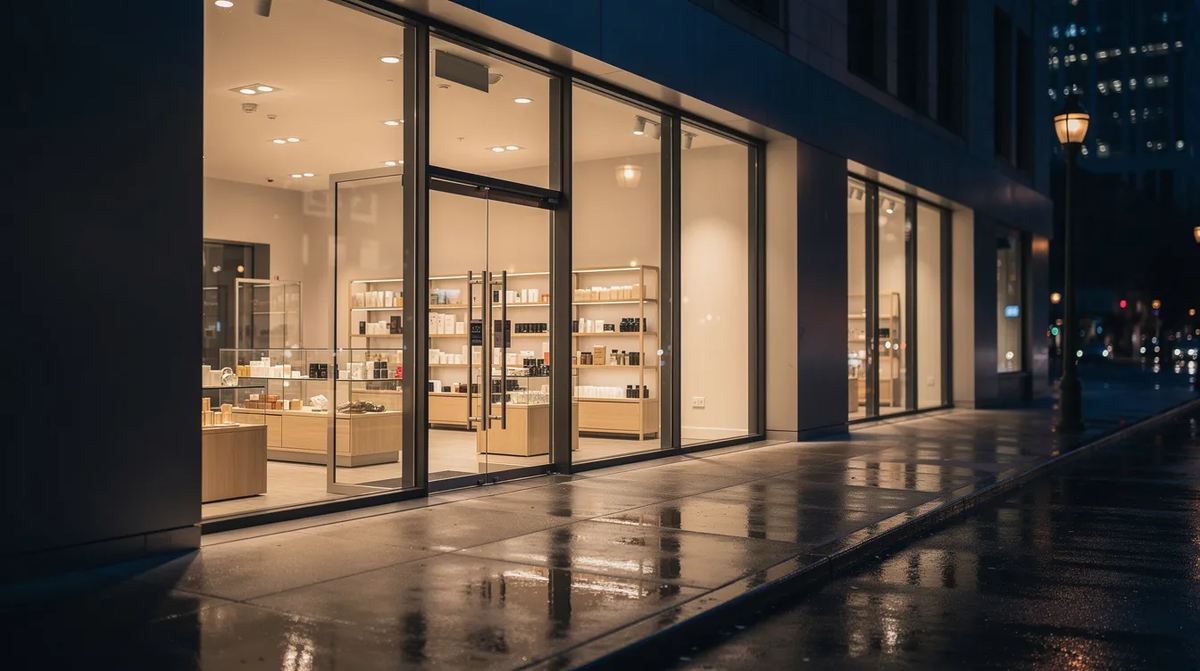
Riot glass protection is a category of high-strength security glass and retrofit security glazing systems specifically designed to keep intruders outside and hold glass in place under prolonged attack. Modern solutions can often be installed over existing windows and doors, preserving curb appeal while addressing security concerns ranging from forced entry and smash-and-grab theft to riots, active shooter events, and extreme weather.
What Is Riot Glass Protection?
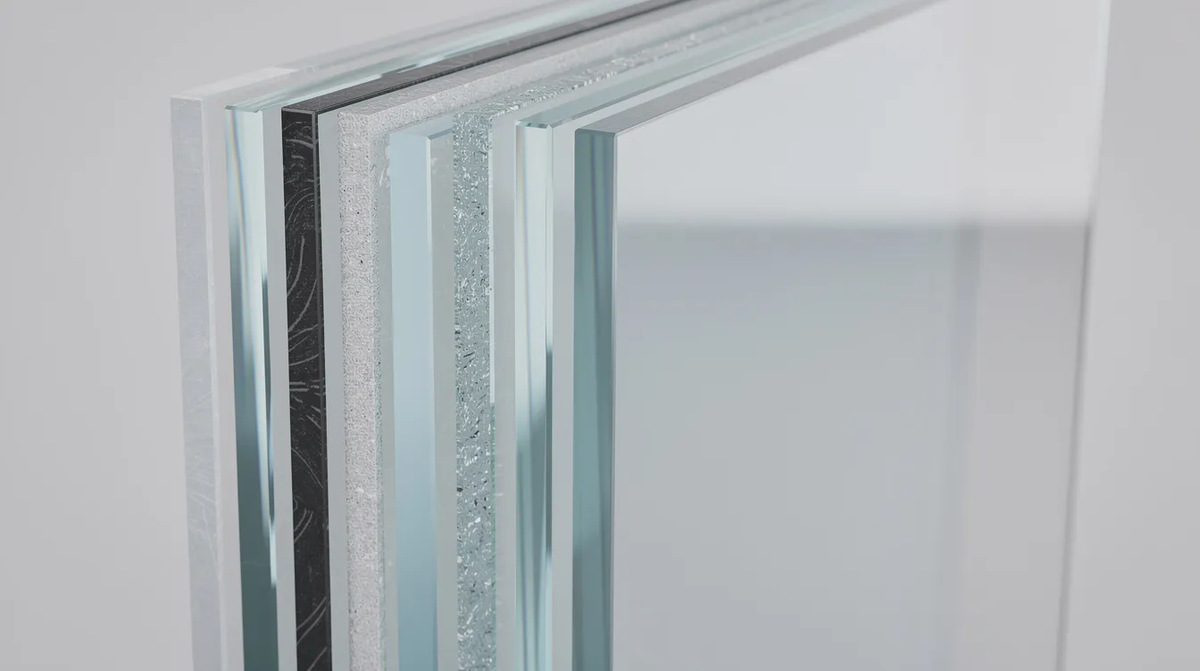
Riot glass is a clear, impact-resistant security glass or polycarbonate shield system that mounts over or replaces existing glass to prevent breach. It is usually between 4-6mm thick, though higher-rated panels can be significantly thicker depending on the threat level.
The terminology can be confusing. Here’s how the key terms relate:
- Security glass – strengthened or laminated glass designed to resist breakage and slow penetration.
- Riot glass – covers both forced entry resistance and, in certain grades, ballistic protection. Often marketed as a retrofit solution for vulnerable entry points.
- Ballistic glass – tested to standards like UL 752 to stop or slow bullets at specified caliber levels.
- Security glazing – the broadest umbrella term for any glass or clear panel exceeding standard safety performance.
Riot glass is 250 times stronger than standard annealed glass, constructed from layered combinations of laminated glass, polycarbonate, or glass-clad polycarbonate composites that flex and absorb energy instead of shattering. For owners comparing so‑called shatterproof and unbreakable glass options, it’s important to understand these systems are highly shatter‑resistant rather than truly unbreakable. It maintains visual clarity while providing security, and most systems carry ratings under UL 972 for burglary resistance or UL 752 for ballistic performance.
How Riot Glass Protection Works to Stop Forced Entry
Standard glass is a building’s weakest barrier. Riot glass converts that vulnerable entry point into a rigid system that keeps glass in the frame, distributes impact energy across layers, and denies access even when the outer surface cracks.
Real-world attackers use crowbars, sledgehammers, bricks, bats, and axes. Where standard glass fails in seconds, riot glass withstands impacts from hammers, bricks, and axes without allowing penetration. It can resist repeated blows from crowbars and sledgehammers, and in sustained attack scenarios, riot glass can delay intruders for up to 1 hour during attacks – often long enough for police to arrive and deter the attempt.
Riot glass withstands impacts 250 times stronger than regular glass. Even after the outer layer fractures, the polycarbonate backing maintains the barrier’s integrity, preventing anyone from gaining entry. Retrofit framing systems anchor the panel securely to existing structures, which is especially important for historic buildings where disturbing original materials is not an option. The result: riot glass enhances security against smash-and-grab thefts by making the glass itself the line of defense rather than the weakest link, similar in concept to smash-proof anti-theft glass panels that mount over existing glazing.
Riot Glass vs. Security Film: Choosing the Right Level of Protection
Many property owners first encounter security film when researching glass protection, and others look at overglaze systems like DefenseLite engineered security panels. Understanding the difference is critical before making a budget decision.
| Feature | Security Film | Riot Glass |
|---|---|---|
| How it works | Polyester layers applied to existing glass | Rigid polycarbonate or laminated panel over/replacing glass |
| Impact resistance | Security film holds glass together but doesn’t resist impact directly | Withstands repeated blows from heavy tools |
| Sustained attack | Security film delays intruders but won’t stop determined attacks | Can delay intruders for up to 1 hour |
| Ballistic rating | Not typically rated | Available with UL 752 ballistic ratings |
| Cost | ~$14–$16/sq ft | ~$40–$75/sq ft (non-ballistic) |
| Security film is appropriate for budget-conscious upgrades, upper-floor windows, or locations with lower crime risk, especially when using RiotLite window film systems tested to ASTM F3561. For street-level retail stores, pharmacies, and high-crime corridors, riot glass is the effective solution. |
A blended strategy works well: riot glass on primary glass doors and storefront windows, security film on sidelights, transoms, and less accessible glazing, including advanced laminates like RiotLite security glazing. This approach balances cost and performance across all vulnerable entry points.
Key Applications: Where Riot Glass Protection Makes the Most Impact
Any glass opening accessible to the public deserves evaluation, but some sectors face especially high risk. Commercial applications of riot glass include protection for storefronts and institutions across multiple market segments.
- Retail glass storefronts – High-value merchandise behind standard glass is an invitation. Riot glass maintains visual appeal while providing high security, letting customers see products without bars or grates. During 2020 civil unrest, Hibbett | City Gear’s stores with riot glass installed resisted breach attempts despite repeated attacks with blunt objects.
- Healthcare facilities – Emergency departments and pharmacy windows need to protect employees without creating a prison-like environment. Riot glass balances openness with a significant level of safety.
- Schools and universities – To protect schools from active shooter and forced entry threats, access-denial glazing at main entrances and classroom sidelights buys crucial time for lockdowns and police response, especially when aligned with emerging school glass security standards like ASTM F3561.
- Places of worship – Rising hate-motivated attacks since the late 2010s demand protection that keeps buildings welcoming while securing congregants.
- Government and critical infrastructure – High-threat environments often require ballistic-rated glazing meeting UL 752 standards for equipment and building protection, such as BulletShield retrofit ballistic panels.
Riot Glass for Active Shooter and High-Threat Environments
Not all riot glass is bulletproof, but certain systems can resist ballistic attacks from firearms when specified and tested to UL 752 standards. Property owners evaluating bulletproof glass options for ultimate ballistic resistance can choose from multiple constructions and protection levels. Riot glass is nearly indestructible against common threats and available in ballistic protection levels from handgun rounds (Level 1) through high-velocity rifle calibers (Level 7+).
In an active shooter event, the priority is preventing or slowing entry through doors and windows. Ballistic-rated riot glass can delay intruders for up to 1 hour during attacks, channeling movement and buying minutes for lockdowns and law enforcement response. Ideal installation points include main lobbies, vestibules, reception windows, and ground-level glass along public streets.
Effective active shooter planning should combine riot glass with access control, training, communication systems, and law enforcement coordination as part of a comprehensive, layered forced entry protection strategy. Glazing is one layer in a comprehensive system – but it’s the layer most concerned with the physical barrier that stands between a threat and the people inside.
Protecting Glass Storefronts from Riots, Looting, and Extreme Weather
During 2020 civil unrest, Portland cannabis retailers alone reported over $130,000 in losses from a single night of looting. Unprotected glass storefronts were breached in seconds, and rioters emptied shelves before police could respond, underscoring the need for preemptive storefront riot protection strategies.
Riot glass provides strong visual deterrence against looters by denying quick access. When attackers see videos or firsthand that a storefront won’t break despite repeated blows, the attempt becomes futile and they move on. The glass can resist repeated blows from crowbars and sledgehammers, withstanding sustained attack from bricks, bats, and improvised weapons.
The same impact-resistant properties help during extreme weather. Windborne debris in hurricanes and severe thunderstorms acts like a projectile, and riot glass keeps the building envelope intact under extreme conditions. For property owners in coastal or storm-prone regions, riot glass is part of a broader resilience strategy alongside shutters, reinforced framing, and emergency planning. Commercial sites at risk of unrest can also benefit from riot protective window glass systems that are engineered to withstand repeated attacks. Installing it before unrest or severe weather seasons is far less costly than emergency board-ups, inventory loss, and business interruption.
Installation Options: Retrofit Systems, Framing, and Aesthetics
Two primary approaches exist: full glass replacement units or retrofit overglaze systems mounted onto existing frames.
Riot glass can be retrofitted into existing window openings, making it the preferred option for occupied or historic buildings. Installation of riot glass is minimally disruptive and cost-effective, avoiding the need to tear out frames or disturb interiors. Specialized framing and compression sub-framing systems anchor the shield securely without damaging surrounding materials, maintaining the integrity of the structure.
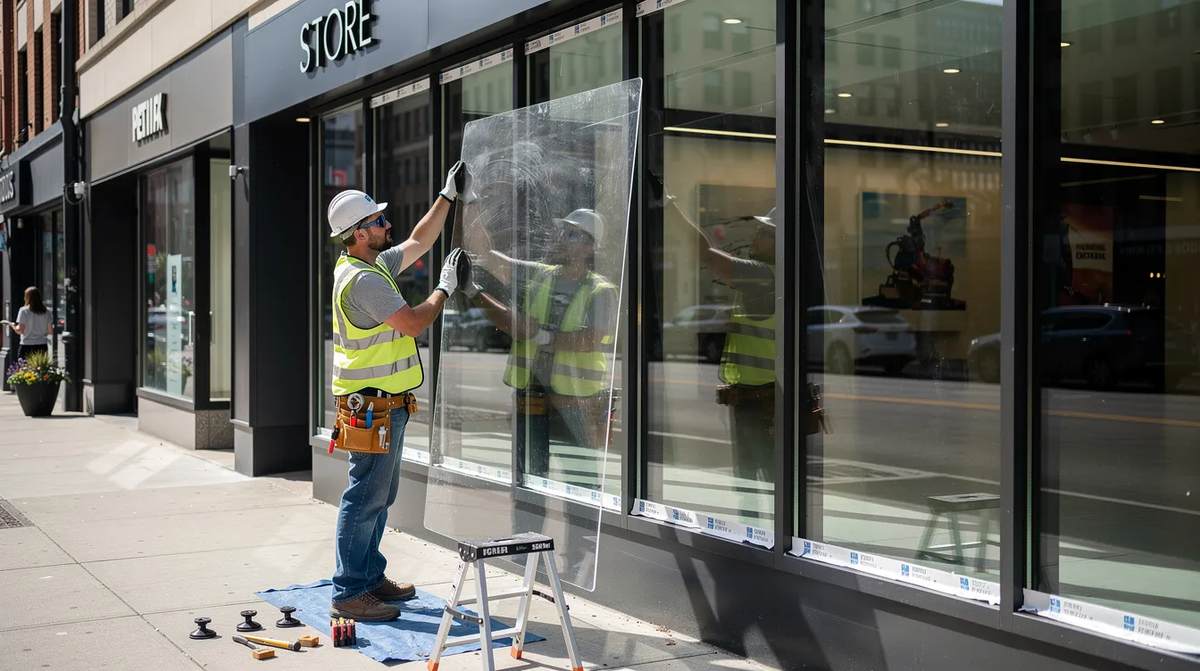
Riot glass is virtually invisible when installed over existing windows. It preserves curb appeal and allows natural light to enter, with no visible bars or grates. Riot glass installation typically requires certified and trained dealers to ensure proper fit, anchoring, and code compliance. Involving a security glazing specialist early helps evaluate existing conditions, measure accurately, and recommend the right combination of glass type, thickness, and framing.
Cost, ROI, and Insurance Considerations
Riot glass protection requires a higher upfront investment than standard glazing or basic security film. Non-ballistic retrofit systems typically run $40–$75 per square foot, while ballistic-rated panels (UL 752 Level 1+) can exceed $200 per square foot.
However, consider the math: a single smash-and-grab can cost tens of thousands in stolen merchandise, emergency glass repair, downtime, and reputation damage. Riot glass eliminates ongoing costs and labor associated with boarding windows with plywood during unrest or storm seasons. Some insurers may offer premium incentives or underwriting benefits for facilities with certified security glass systems – check with your carrier.
A phased approach works within any budget: prioritize main entrance doors, display windows, and glass near cash wraps first. Expand to secondary glazing as the budget allows. Review local crime statistics periodically so your strategy evolves with the risk on the rise in your area.
Why Choose Our Team for Riot Glass Protection
Our team brings years of hands-on experience in security glass and security film installations, with specialized expertise in retrofitting glass storefronts across retail, healthcare, school, and government applications. We’ve seen our installed systems stand up to real incidents, and we understand what works beyond the manufacturer spec sheet.
We provide end-to-end support: threat assessment, product selection across ballistic and non-ballistic options, engineering review, professional installation, and ongoing service. Our local knowledge of regional crime trends, building codes, and weather risks means every project is tailored to real-world conditions. Contact us today for a site assessment or customized quote to enhance your property’s security posture.
FAQ: Riot Glass Protection
Is riot glass the same as bulletproof glass?
Not always. Riot glass covers a range of products from forced entry resistance to full ballistic protection. Only panels tested and rated to UL 752 provide certified ballistic resistance against specific firearm calibers.
Can riot glass be installed over my existing windows and doors?
Yes. Most riot glass systems are designed as a retrofit solution that mounts directly over existing windows without full glass replacement. This keeps installation fast and minimally disruptive to your business.
How thick does security glass need to be for forced entry protection?
Riot protective glass is usually between 4-6mm thick for standard forced entry resistance. Higher threat levels, including ballistic ratings, require thicker panels – sometimes exceeding one inch.
Does riot glass help with extreme weather?
Yes. The same impact resistance that stops bricks and sledgehammers also protects against windborne debris in hurricanes and severe storms, helping maintain the building envelope under extreme conditions.
Which is better for my glass storefronts – riot glass or security film?
Security film is a lower-cost option that holds shards together but won’t stop a determined attack. Riot glass is the stronger barrier for street-level storefronts, pharmacies, and any location where you’re concerned about sustained or violent attempts at gaining entry.
What maintenance does riot glass require?
Polycarbonate panels need periodic cleaning and may require scratch repair or recoating over time. Laminated glass surfaces resist scratches better but should be inspected for seal integrity. Graffiti coatings are available to deter vandalism.
How long does installation take?
Timelines vary by scope. A typical retrofit project moves from site survey to completed installation in several weeks. Custom ballistic panels or large-format orders may require longer lead times from the manufacturer.
Conclusion and Next Steps
Glass is usually a building’s weakest link. Every unprotected window or door is an invitation – whether the threat is a burglar with a crowbar, rioters throwing bricks, or a hurricane driving debris at 150 mph. Upgrading to a modern riot glass protection system closes that gap without sacrificing visual appeal or natural light.
Today’s security glass solutions protect against forced entry, looting, smash-and-grab theft, certain active shooter scenarios, and extreme weather impacts. They can be installed over existing windows and doors, maintaining the look your customers expect while delivering the safety your employees deserve.
The next step is straightforward: schedule a professional assessment of your doors, windows, and glass storefronts to identify your most vulnerable entry points. Contact our team today for a consultation on riot glass protection and receive a tailored plan built around your property, your threats, and your budget.