When seconds determine outcomes, the right combination of physical barriers, detection technology, and preparedness planning can mean the difference between tragedy and survival. This guide walks you through the active shooter mitigation products available today and how to deploy them effectively across schools, offices, healthcare facilities, and public buildings.
Table of Contents
Understanding Active Shooter Mitigation in 2026
What Are Active Shooter Mitigation Products?
Core Categories of Active Shooter Mitigation Products
Cost, Budgeting, and Phased Implementation
Integrating Products with Active Shooter Preparedness & First Responder Response
Frequently Asked Questions About Active Shooter Mitigation Products
Conclusion and Next Steps
Understanding Active Shooter Mitigation in 2026
Active shooter situations in the United States have escalated sharply over the past decade. According to FBI data, 229 designated active shooter incidents occurred between 2019 and 2023-an 89% increase over the prior five-year period. Looking further back, 333 active shootings occurred in the U.S. from 2000 to 2019, and the annual rate of active shooter incidents doubled from 10.2 to 23.1 annually in just 10 years.
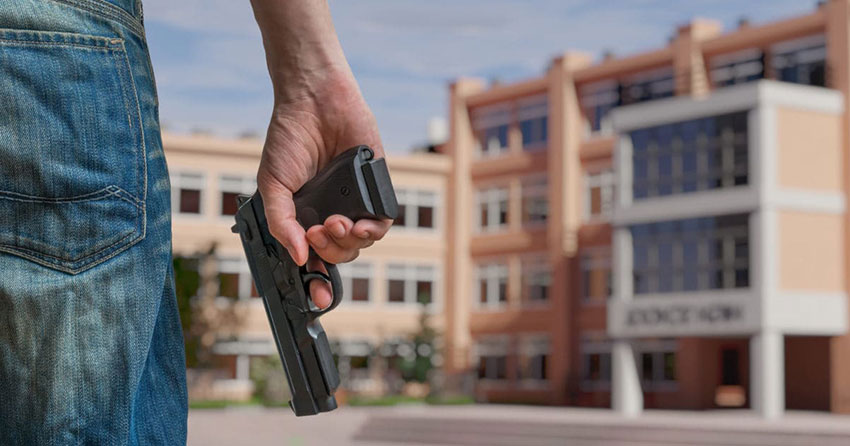
An active shooter is defined by DHS and the FBI as one or more individuals actively engaged in killing or attempting to kill people in a populated area. These events are fast-moving and chaotic.
Active shootings typically last 5 to 7 minutes on average, with many concluding before law enforcement can arrive on scene. About half are resolved without police intervention at all.
Active shooter mitigation refers to the combination of physical products, technology, training, and procedures designed to slow, redirect, or limit the harm caused by an attacker.
Active shooter mitigation products can delay attackers, protect occupants, and speed up emergency response-but they do not replace emergency action plans or staff training. They significantly improve survivability and give first responders valuable time to respond.
What Are Active Shooter Mitigation Products?
These are physical and electronic systems specifically engineered to delay, deter, or contain an active shooter and protect building occupants. Effective physical security products include ballistic glass, automatic locking systems, and surveillance technology-all working together to harden a facility against threat.
Products in this category are independently tested to recognized standards. UL 752 defines ballistic resistance levels (Levels 1–3 for handguns, higher for rifles). ASTM F3561 measures combined ballistic and forced-entry resistance for windows and doors. BulletShield is rated to UL 752 ballistic standards, providing verified active shooter protection for glazing systems. DefenseLite is 250 times stronger than standard glass, offering a retrofit-friendly option for existing window frames.
It is important to understand the difference between “bullet-resistant” and “bulletproof.” No materials are absolutely impenetrable. The goal is buying time-delaying penetration long enough for occupants to evacuate, shelter, or for responders to arrive. Effective active shooter mitigation requires a layered approach focusing on behavioral threat assessment and facility hardening, integrated with drills, evacuation routes, and mass notification systems.
Core Categories of Active Shooter Mitigation Products
Most solutions fall into four broad groups: ballistic and forced-entry barriers, detection and alerting systems, interior protection and safe rooms, and responder-support technologies. A fifth category covers personal and in-room defenses used as a last resort.
The sections below break down each category with practical details on performance, use cases, and what to prioritize for your organization.
1. Ballistic & Forced-Entry Window and Door Systems
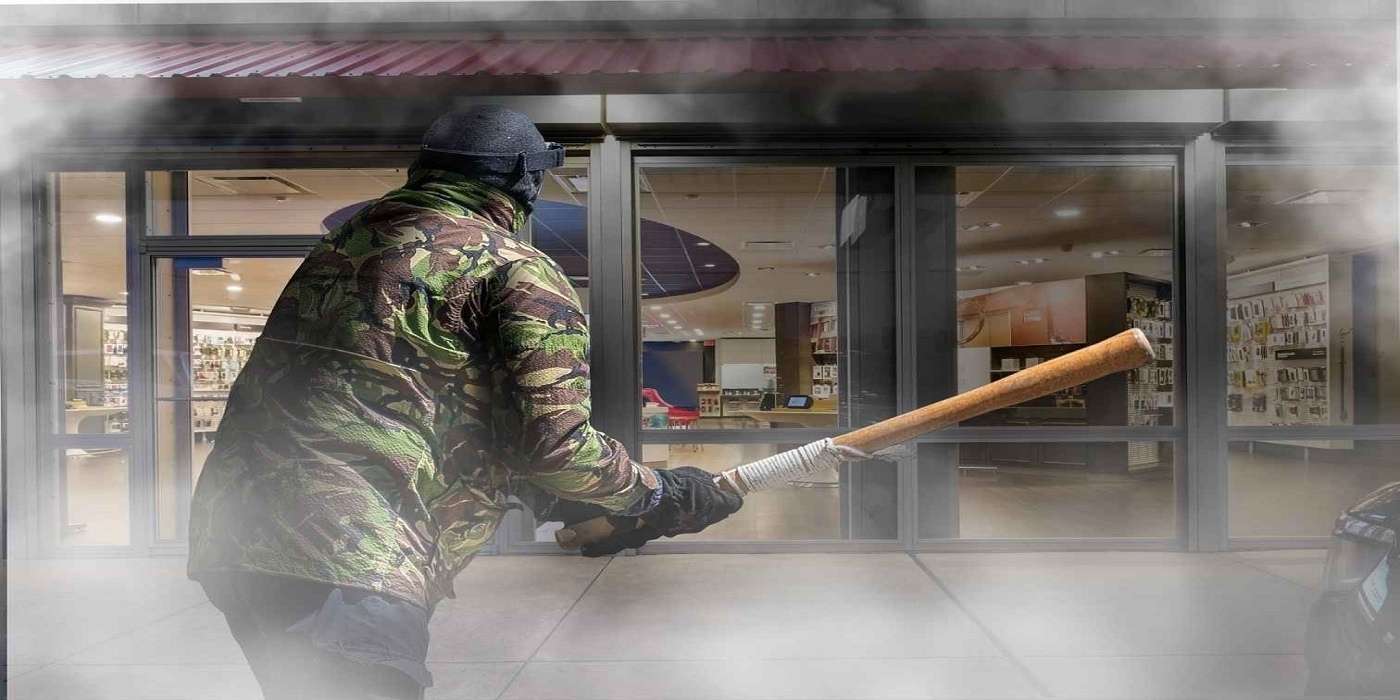
Glass facades and window openings are primary targets for an active shooter gaining entry to a building. Bullet-resistant glass can slow down active shooter entry significantly, and it is especially effective in schools for school security applications.
Modern retrofit glazing solutions include polycarbonate overglaze panels, laminated glass, and glass-clad polycarbonate. These install over or within existing frames without requiring full replacements. DefenseLite, for example, is 250 times stronger than glass and fits directly over existing glazing. BulletShield meets UL 752 ratings for ballistic protection, covering handgun threats at Levels 1–3 and higher levels for rifle rounds.
Active shooter window systems withstand 16 heavy pendulum strikes under ASTM F3561 testing, which measures both ballistic resistance and blunt-force entry attempts. The Active Shooter Window System will be available in early 2026, expanding options for facilities preparing upgrades now.
Ballistic glazing and doors delay an attacker’s entry, providing vital time for police response. Many systems are designed to keep glass in the frame even after multiple shots, preventing shards and slowing forced entry. These products are especially valuable at main entrances, classroom sidelights, reception areas, and ground-floor windows facing public access points.
2. Ballistic Doors, Frames, and Hardware
A ballistic-rated door is only as strong as its weakest component. That is why tested door assemblies-including the door slab, frame, hinges, vision lites, and locks-matter more than any single element. A weak strike plate or unreinforced hinge can fail under attack even if the door panel itself holds.
Materials range from solid-core wood with armored cores to hollow metal and steel with interior armor plates. Typical use cases include classroom doors, office suite entry points, clinic exam rooms, pharmacy doors, and secure vestibules.
Key features to look for:
- Automatic locking that engages during lockdown
- Reinforced strike plates and continuous hinges
- Self-closing mechanisms that ensure doors latch reliably
- Rated vision lites sized for visibility but protected with bullet-resistant glazing
Properly specified doors help create defendable spaces while people are waiting for first responders to arrive on scene.
3. Interior Safe Rooms and Shelter-in-Place Areas
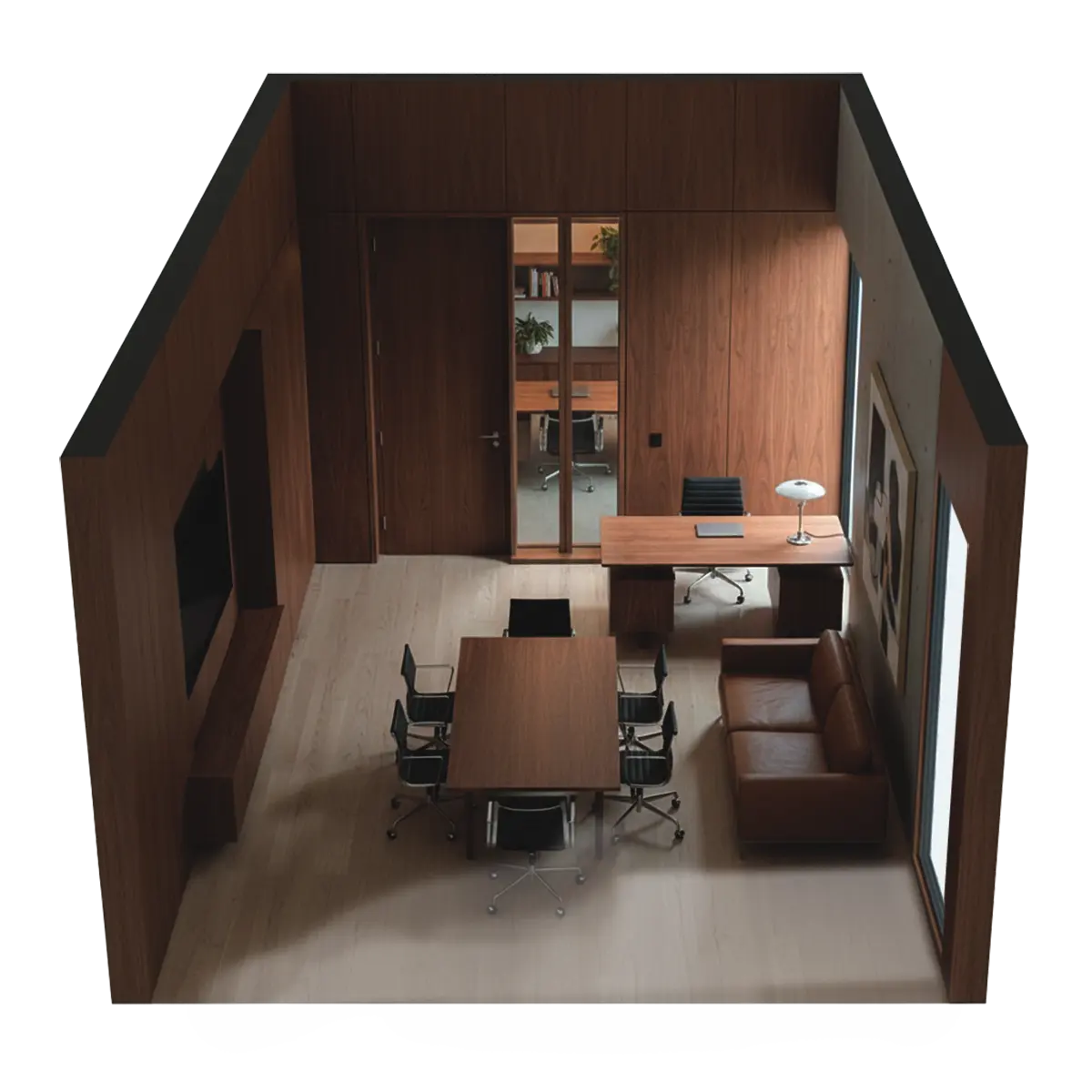
Safe rooms are pre-planned, hardened areas where occupants can rapidly shelter during an active shooter event. These might be interior offices, storage rooms, or dedicated refuge spaces retrofitted with ballistic wall panels, reinforced doors, and upgraded locks.
Critical design details include:
- No exterior windows or hardened window coverings
- Limited entry points
- Emergency communication tools inside (phone, intercom, or radio)
- Clear signage and wayfinding for staff and students
Emergency Action Plans should include comprehensive maps identifying exit points and safe zones. Evacuation routes should be clearly marked in all facilities, and safe-room locations must align with those maps so staff know exactly where to direct individuals during an event.
Safe rooms are particularly important for high-risk areas like reception desks, cash offices, pharmacies, and school administrative suites where employees and visitors may be most exposed.
4. Gunshot Detection, Mass Notification & Lockdown Systems
Speed of detection is critical. Gunshot detection sensors use acoustic and infrared technology to instantly locate gunfire and alert authorities-often within 1–2 seconds, compared to the 60–180 second delay that typically occurs before someone calls 911. A comprehensive Mass Notification System can save lives during incidents by delivering simultaneous alerts via speakers, strobes, SMS, email, desktop pop-ups, and digital signage.
Modern systems can trigger automatic door locks, secure vestibules, and route live camera feeds to security teams and first responders. Smart panic buttons can trigger alarms and initiate lockdown protocols during emergencies, giving staff another method to activate building-wide response.
These systems must support ADA-compliant alerts-both visual and audible-to ensure every person in the building receives clear instructions. Integration with existing fire alarm panels, access control, and video systems simplifies adoption and dramatically improves situational awareness for everyone involved, from facility staff to the response team.
5. Personal Protective Products and In-Room Defenses
Some organizations supplement building-wide systems with personal or localized tools like ballistic clipboards, portable shields, mobile whiteboards, and door barricade devices. These can help staff protect themselves and students in classrooms or offices when evacuation is impossible.
A few important considerations:
- Any barricade device must comply with fire and life-safety codes and not block egress for emergency evacuation
- These products should be treated as a last resort that complements-but does not replace-training and building-wide active shooter protection systems
- Bleeding control kits must be accessible during active shooter incidents to provide immediate care to victims before medical responders arrive
- Regular drills should include how and when to deploy these tools safely and effectively
Cost, Budgeting, and Phased Implementation
Cost is a major concern for schools, small businesses, nonprofits, and community organizations operating on tight budgets. The good news: smart prioritization can deliver meaningful protection without requiring a complete building overhaul.
Realistic cost ranges to account for:
| Product Category | Starting Cost Range |
|---|---|
| Bullet-resistant window (single opening) | A single bullet-resistant window can start at about $2,000 |
| Ballistic steel door (UL 752 Level 1) | Approximately $3,500+ per assembly |
| Interior safe room retrofit (panels + door) | Several thousand per room |
| Gunshot detection and MNS integration | Varies by facility size |
Actual pricing depends on size, rating level, and installation complexity. Rifle-rated systems cost considerably more than handgun-level products but may not deliver the highest marginal benefit per dollar in most cases.
Conduct a site assessment to identify security weaknesses before spending. A risk-based approach means starting with the highest-exposure areas:
- Phase 1: Secure primary entrances, retrofit reception glazing, harden ground-floor windows
- Phase 2: Create interior safe rooms and protect critical corridors
- Phase 3: Add detection, notification, and lockdown technology; integrate systems building-wide
A professional assessment should evaluate your threat profile, building layout, occupancy pattern, surroundings, budget, and any regulatory requirements around fire egress or ADA compliance.
Integrating Products with Active Shooter Preparedness & First Responder Response
Products alone are not enough. Organizations should prioritize proven response protocols and reinforced physical security products to maximize safety-but those products must be aligned with active shooter preparedness plans, staff training, and law enforcement coordination.
Hardened glass and doors slow attackers at the point of entry, giving first responders more time to reach the scene and navigate hallways, stairwells, and lobbies. Institutions can lower risk profiles by embedding systemic security protocols into daily operations, not just relying on hardware.
Run, Hide, Fight is a universally recognized standard by law enforcement for active shooter situations. Every drill and tabletop exercise should incorporate how mitigation products function, so staff are aware of what doors and windows are rated, where safe rooms are located, and how to use barricade devices correctly under stress.
Behavioral threat assessment involves establishing multidisciplinary teams trained to identify warning signs of violence and concerning behaviors. Behavioral threat teams can recognize red flags and report early warning signs of violence before an event occurs-making this a key component of any comprehensive approach to active shooter preparedness.
Pre-incident planning meetings with local police and fire departments are essential. Share building maps, access control details, and information about your facility’s protective features so responders can prepare tactical approaches in advance. Clear building maps, access control systems, and live video feeds shared with responding agencies improve tactical decision-making and help responders account for occupied safe rooms and locked corridors.
Frequently Asked Questions About Active Shooter Mitigation Products
These FAQs address common questions from facility managers, school leaders, and business owners evaluating their security options.
What is the difference between active shooter protection and general security products? General security (locks, cameras, alarms) protects against break-ins and theft. Active shooter protection demands life-safety design with products tested against firearms under recognized standards like UL 752 and ASTM F3561. The focus is on stopping bullets, resisting forced entry, and enabling rapid lockdown-not just deterring casual intruders.
How long do ballistic and forced-entry systems actually hold up during an attack? Performance depends on the rating level, weapon type, distance, and number of shots. A UL 752 Level 1 system is tested against specific handgun rounds but may not stop rifle fire. The goal is to delay and channel the threat, buying valuable time for occupants to evacuate or shelter and for responders to arrive.
Do these products work for both schools and offices? Yes. The same core technologies apply across education, healthcare, commercial, and government environments. Specifications differ-a school may prioritize classroom glazing and corridor lockdown, while a business might focus on reception areas and open-plan office entry points-but the materials and standards are consistent.
How do I know which products my facility needs first? Start with a professional vulnerability assessment. Identify your highest-risk openings and most frequently occupied spaces, then align upgrades with your emergency action plan and existing infrastructure. Prioritize areas where an attacker could most easily gain entry or where the most individuals are present.
Conclusion and Next Steps
Mitigating active shooter risks requires a dual approach combining physical hardening technology and behavioral response strategies. Even modest upgrades at key entry points and safe rooms can significantly improve survivability in active shooter situations, giving occupants and first responders the seconds that save lives.
No single product eliminates danger entirely. The most effective approach layers ballistic barriers, detection systems, staff training, and community coordination into a comprehensive plan that your entire organization can prepare for and execute under stress.
Your next step: schedule a professional site assessment to identify vulnerabilities, prioritize upgrades, and build a phased implementation roadmap that fits your budget. Visit our page to learn more about evaluating, selecting, and deploying active shooter mitigation products tailored to your building, your people, and the peace of mind your community deserves.