Glass is historically the most targeted point of entry during active shooter scenarios. Hardening your windows and doors with the right security products is no longer optional-it is essential for protecting building occupants in schools, hospitals, retail spaces, and government buildings. This article breaks down how active shooter glass protection works. As well as what solutions exist and how to plan a project that can genuinely save lives.
Table of Contents
- What Is Active Shooter Glass Protection?
- How Glass Fails in Active Shooter Situations
- Types of Active Shooter Glass Protection Systems
- Standards, Testing & Real-World Performance
- Where Active Shooter Glass Protection Matters Most
- Planning an Active Shooter Glass Hardening Project
- FAQ
- Why Choose Our Company
- Next Steps: Get Started with a Free Consultation
What Is Active Shooter Glass Protection?
Active shooter glass protection is a systems-based approach combining security glass, security film, reinforced frames, hardware, and professional installation to delay forced entry and protect building occupants during an attack. Security glass solutions for active shooter scenarios focus on forced-entry delay and ballistic resistance-keeping shattered glass in the frame, keeping bullets from penetrating, and buying valuable time for lockdown procedures, protecting students, and law enforcement response.
A critical distinction: no solution is truly “bulletproof glass.” The industry uses “bullet resistance” because every product is rated against specific calibers and shot counts. Bulletproof glass is engineered to stop and contain incoming bullets, but only at its tested level. Active shooter window systems delay forced entry, improving safety by denying intruders quick access rather than creating an impenetrable barrier.
How Glass Fails in Active Shooter Situations
Standard annealed or tempered glass window panels shatter on first impact from gunfire or blunt tools, creating a breach large enough for an attacker to step through in seconds. In the 2022 Central Visual and Performing Arts High School shooting, the shooter fired into the lower glass panel of a door to activate the crash bar. During the 2023 Nashville elementary school shooting, a side door’s unprotected glass was the point of entry.
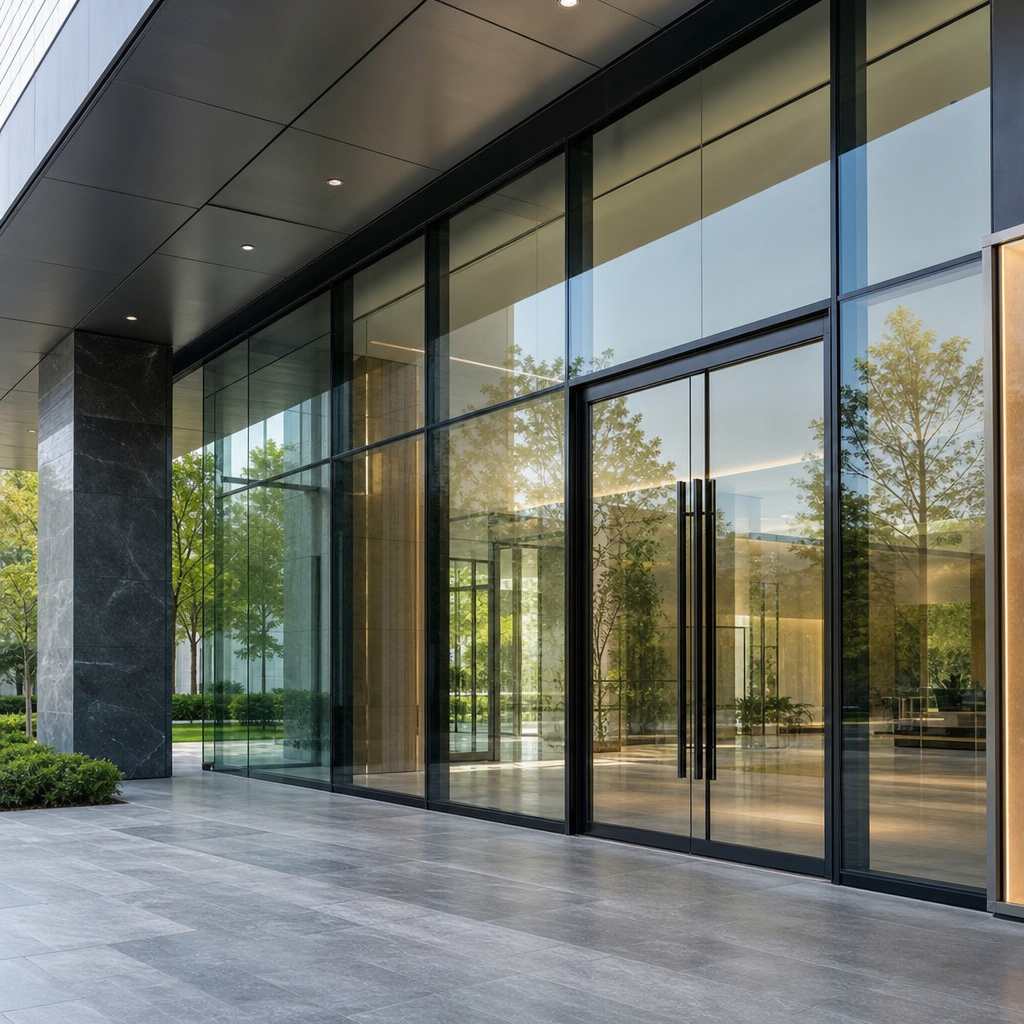
Common weak points include exterior doors with large glass lites, sidelites adjacent to locks, low-level classroom windows, and lobby curtain walls. In each case, unprotected glass gave the active shooter immediate access that reinforced glazing could have delayed or prevented.
Types of Active Shooter Glass Protection Systems
Three primary tiers of glass protection are available for active shooter situations, and layered security products can absorb ballistic impacts when combined strategically. The right combination depends on risk, budget, and building type.
Security Film & Glass Strengthening Solutions
Security window films reinforce existing glazing to delay forced entry. These tear-resistant films slow intruders down by holding shattered glass in place after impact. Multilayer polyester films prevent glass from shattering inward during attacks, and security films protect occupants from flying glass shards during explosions and natural disasters.
C-Bond Secure increases glass strength by 74% compared to untreated glass through advanced nano-technology primers that improve film adhesion. C-Bond BRS is a less expensive alternative to bulletproof glass. It uses a multi-layer 15-mil polyester film for protection and provides ballistic resistance against handgun threats. The C-Bond BRS ballistic-resistant system allows bullets to exit outward while resisting inward shots, making it effective for active shooter protection without full glazing replacement.
High-quality security films can delay forced entry by 15 seconds to 3.5 minutes depending on film thickness, anchoring, and attacker tools. For school safety and government buildings that need a budget-conscious upgrade. Window film installations can often be completed over a single summer break without replacing all windows and doors.
High-quality security films can delay forced entry by 15 seconds to 3.5 minutes depending on film thickness, anchoring, and attacker tools. These films do not stop bullets, but for school safety and government buildings that need a budget-conscious upgrade, window film installations can often be completed over a single summer break without replacing all windows and doors.
Polycarbonate & Security Glass Overglaze Systems
Polycarbonate security shields are transparent plastic panels installed over existing glass, creating an anti-smash barrier that preserves natural light and visibility. These shields flex upon impact to absorb kinetic energy and prevent shattering, redistributing force so attackers cannot create an opening even with repeated strikes. Protective shields can also prevent access to door hardware during active shooter events.
Ballistic variants of polycarbonate shields are tested to meet UL 752 standards. BulletShield panels meet UL 752 ballistic standards for safety and provide ballistic ratings against multiple bullet types. DefenseLite systems flex under attack to prevent bullet entry. These overglaze solutions offer higher impact tolerance than film alone at moderate cost, while keeping existing glazing intact, providing the additional benefit of preserving existing windows.
Engineered Bullet-Resistant Glazing & Frames
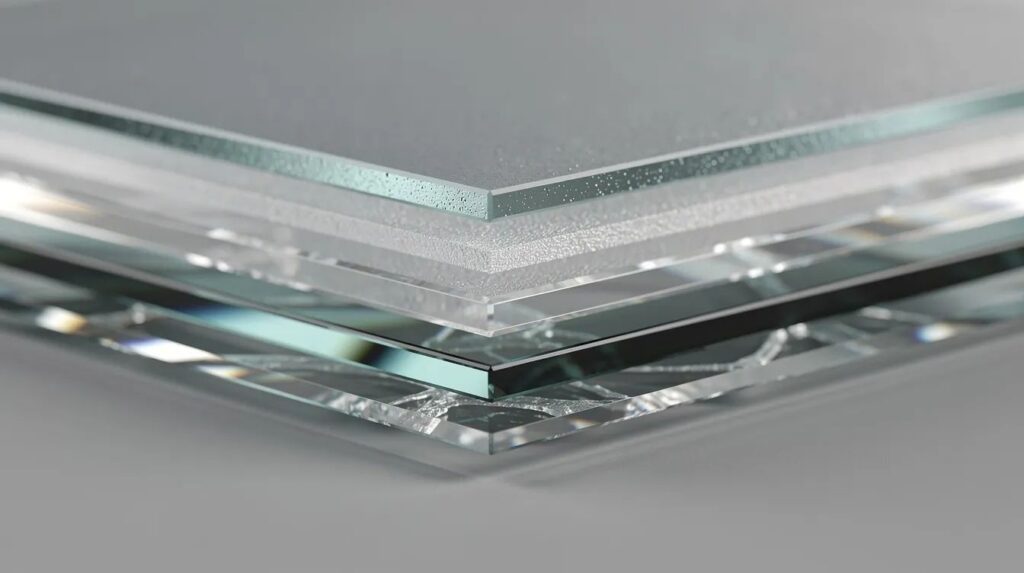
Genuine bulletproof glass consists of laminated glass layers and polycarbonate materials engineered as a complete system. Ballistic-resistant glazing can withstand impacts from 9mm and AR-15 bullets and can absorb and deflect energy from attacks across multiple rounds.
Bullet-resistant windows start at about $2,000 each, while bulletproof doors typically start around $3,500 each. Facilities deploy these systems in secure vestibules, reception counters, cashier stations, and government buildings where the threat level demands maximum protection.
Standards, Testing & Real-World Performance
Bulletproof glass relies on the UL 752 standard to categorize protection levels. UL 752 specifies testing for ballistic resistance against handguns and high-powered rifles and categorizes protection across 10 distinct levels for ballistic glass. ASTM F3561 standards test active shooter window systems by simulating forced entry after a ballistic attack, matching real-world active shooter situations.
The effectiveness of protective glass depends on the quality of installation frames. Always confirm that independent testing evaluates products as full systems-glass, frame, and anchorage together-not just isolated glass samples. Look for verified UL 752 ratings and ASTM F1233 classifications on every product datasheet.
Where Active Shooter Glass Protection Matters Most
School Safety & Campuses
Attackers frequently attempt to shoot through or smash front doors and vestibule glass to bypass secure entry procedures. Priority glazing includes main entries, office windows facing lobbies, and ground-level classroom windows. Schools should pair reinforced glass with temporary coverings to obstruct visibility during lockdowns. School leaders should pair glazing upgrades with staff training, drills, and access control to create a comprehensive school safety plan phased across multiple budget cycles.
Healthcare, Houses of Worship & Public Buildings
Hospitals, clinics, and houses of worship must manage unique challenges: 24/7 operations, large visitor volumes, and the need to preserve decorative windows. Priority zones include sanctuary entrances, reception desks, pharmacy windows, and emergency room glazing. Security glass and film can harden these access points without altering the building’s appearance-think of them as life-safety elements like sprinklers, not cosmetic renovations.
Retail, Banking & Critical Infrastructure
Retail storefronts, teller windows, and data centers are vulnerable to both smash-and-grab crime and targeted attacks. Anti smash glazing, security film, and bullet resistance solutions protect cash-handling areas, electronics displays, and control rooms. Slowing an attacker by even 60–120 seconds often causes them to abandon the attempt or gives first responders time to intervene, reducing damage, business interruption, and insurance claims.
Planning an Active Shooter Glass Hardening Project
Successful projects follow a clear sequence: conduct a security assessment and glazing inventory, prioritize openings by threat and budget, select the right combination of security film, security glass, or bullet-resistant systems, and schedule professional installation during off-hours or breaks. Work with experienced security integrators who understand frame requirements and can verify that every element-glass, lock, and anchor-performs as a complete system. Start with a pilot project at one entrance to validate performance before rolling upgrades across an entire campus or building portfolio.
FAQ: Active Shooter Glass Protection
Is there really such a thing as bulletproof glass? No glass is truly bulletproof. Standards like UL 752 rate bullet resistance according to specific calibers and shot counts. The correct term is “bullet-resistant glazing.”
How long can security film delay forced entry? High-quality security films delay forced entry by 15 seconds to 3.5 minutes, depending on thickness, anchoring, and attacker tools. That delay creates valuable time for lockdown and law enforcement response.
Will security film or shields change how my windows look? Most security film and polycarbonate shields are optically clear and preserve natural light. Some thicker ballistic solutions may have slight visual differences, but modern products prioritize transparency.
What level of bullet resistance do I need? UL 752 Levels 1–3 cover most handgun threats common in active shooter situations at schools and businesses. Levels 4–8 address rifle-caliber ballistic threats for higher-risk government buildings and critical infrastructure.
How long does installation take? Installation teams can often install security film in a single day per room. Full bullet-resistant glazing projects may take weeks depending on scope. Installation teams typically schedule work during school breaks or off-hours to minimize disruption.
Why Choose Our Company for Active Shooter Glass Protection
Our team specializes in protecting schools, healthcare facilities, commercial properties, and government buildings against forced entry and ballistic threats. We provide thorough on-site assessments, custom recommendations based on your specific risk profile, and transparent pricing with no hidden costs. Every product we recommend is independently tested to recognized industry standards, and our support continues well beyond installation with inspections, warranty service, and future upgrade planning. As a trusted partner in active shooter mitigation, we focus on solutions that make a real difference-not just on making a sale- giving facility leaders greater peace of mind.
Our team specializes in protecting schools, healthcare facilities, commercial properties, and government buildings against forced entry and ballistic threats. We provide thorough on-site assessments, custom recommendations based on your specific risk profile, and transparent pricing with no hidden costs for CEOs and other decision makers. Every product we recommend is independently tested to recognized industry standards, and our support continues well beyond installation with inspections, warranty service, and future upgrade planning. As a trusted partner in active shooter mitigation, we focus on solutions that make a real difference-not just on making a sale- giving facility leaders greater peace of mind.
Next Steps: Get Started with a Free Consultation
Schedule a free consultation to evaluate your glass vulnerabilities and explore practical options for active shooter glass protection. During your consultation, our team will review every entry point and critical glass window, discuss security film, security glass, and bullet-resistant solutions, prioritize recommendations by risk and budget, and develop a phased implementation plan tailored to your facility.
There is no obligation. The goal is to help you choose cost-effective measures that can genuinely protect building occupants and create a more secure environment. Every day without upgraded glazing is a day your building remains vulnerable. Reach out by phone, form, or email to begin the process-because the time to act is before an incident, not after.