A single exposed window can turn a protected building into an easy target. During riots, looting, and smash-and-grab theft, regular glass can fail in seconds, giving looters direct access to people, merchandise, and property.
That is why more business owners, property managers, schools, healthcare facilities, and high-risk homeowners are upgrading to riot protective glass: a clear, impact-resistant security glazing system designed to resist extreme physical attacks without sacrificing visual appeal.
Table of Contents
- What Is Riot Protective Glass?
- How Riot Protective Glass Works Against Smash‑and‑Grab Attacks
- Riot Glass vs. Security Glass vs. Security Film
- Levels of Protection: From Basic Deterrence to Maximum Security
- Applications: Where Riot Protective Glass Makes the Biggest Difference
- Understanding Forced Entry and Impact Testing
- FAQ: Riot Protective Glass, Security Glass, and Security Film
- Why Choose Our Riot Glass and Security Glass Solutions
- Conclusion: Turn Vulnerable Glass Into a First Line of Defense
What Is Riot Protective Glass?
Riot protective glass is a retrofit security glazing system designed to keep windows and doors intact during riots, looting, and deliberate forced entry attempts. It is engineered for locations where ordinary storefront glass, glass doors, or exposed entry points may not stand up to bricks, bats, crowbars, or sledgehammers.
Despite the name, most systems are not traditional glass alone. Modern riot protective glass is an impact-resistant security glazing system that uses advanced layers of polycarbonates and laminated materials, often combining high-impact engineered polycarbonates and laminates with specialty interlayers. Riot protective glass incorporates high-stiffness thermoplastic interlayers to help absorb energy, hold broken material together, and mitigate the risk of flying shards during extreme events.
Adoption rose sharply after the 2020 protests and civil unrest across major U.S. cities. From Chicago to Los Angeles, business owners saw how quickly looting attempts could break regular glass and expose displayed inventory. In response, many turned to retrofit systems that are installed over or in place of standard storefront glass to create a tough, virtually invisible shield.
Most riot protective glass is between 4-6mm thick, depending on the system and level of protection. Riot Glass is 250 times stronger than standard glass, and Riot Glass maintains the existing appearance of windows and doors. When installed correctly, Riot Glass is nearly invisible when installed over existing glass.
Core benefits include:
- Impact resistance against blunt force
- Deterrence against fast smash-and-grab crimes
- More time for police or security response
- Protection of occupants, people, inventory, and merchandise
For owners concerned about riots, burglary, or vandalism, the goal is simple: turn vulnerable glass into a clear barrier that protects the building without making the business look boarded up or closed.
How Riot Protective Glass Works Against Smash‑and‑Grab Attacks
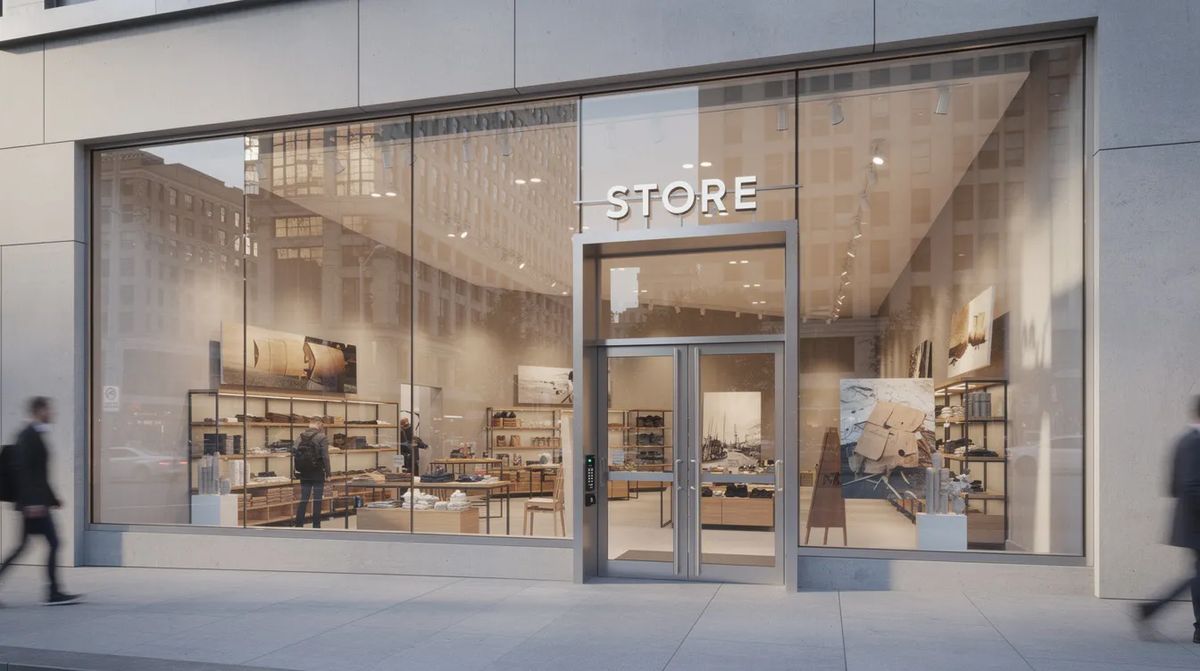
Smash-and-grab and mob-style attacks are fast, noisy, and destructive. During 2020–2024 incidents in cities such as Chicago and Los Angeles, attackers used bricks, bats, hammers, crowbars, and even sledgehammers to break into stores, grab high-value goods, and leave before help could arrive.
Riot protective glass is designed to withstand extreme physical attacks. Riot glass resists continuous blunt force attacks by spreading the energy of each strike across the panel instead of allowing one point to fail immediately.
A typical system may include:
- Laminated glass that cracks but stays bonded together
- Tough polycarbonate sheets that flex under impact
- Specialty interlayers designed to absorb and disperse force
- Anchored framing that keeps the panel locked into the opening
Riot protective glass is constructed using tough polycarbonate sheets. In many cases, those sheets are layered with laminated materials so the system can remain clear, strong, and clean-looking even after an attempted break in.
Here is what happens when a rioter strikes a protected window:
- The outer surface takes the hit. It may scuff, dent, or crack depending on the material.
- The polycarbonate or laminate layer flexes and spreads the impact energy.
- The panel stays in place instead of collapsing into the building.
- The attacker cannot immediately remove the barrier or create easy entry.
- The quick burglary turns into a prolonged event, which helps deter criminals.
Riot Glass stops sledgehammers, bricks, and bats. Riot Glass can withstand impacts from hammers, bricks, and axes. Riot Glass withstands multiple impacts from thrown objects, including concrete blocks and other debris commonly used during looting, much like smash-proof anti-theft glass panels designed specifically to prevent smash-and-grab attacks. Riot Glass can withstand repeated blows from heavy tools, and riot glass can withstand repeated blows from heavy tools during forced-entry attempts.
This is why riot glass is nearly indestructible against heavy impacts and Riot Glass is nearly indestructible against repeated blows. That does not mean any product is truly indestructible in every possible case, but properly engineered systems are designed so attackers cannot get through quickly enough to make the crime worthwhile.
The frame matters just as much as the panel. A strong glazing panel can fail if it is sitting in weak metal, rotten wood, or poorly anchored hardware. Professional installers evaluate the entire opening, including the frame, fasteners, door hardware, hinges, and perimeter seal, because the system is only as strong as its attachment to the building.
Riot Glass vs. Security Glass vs. Security Film
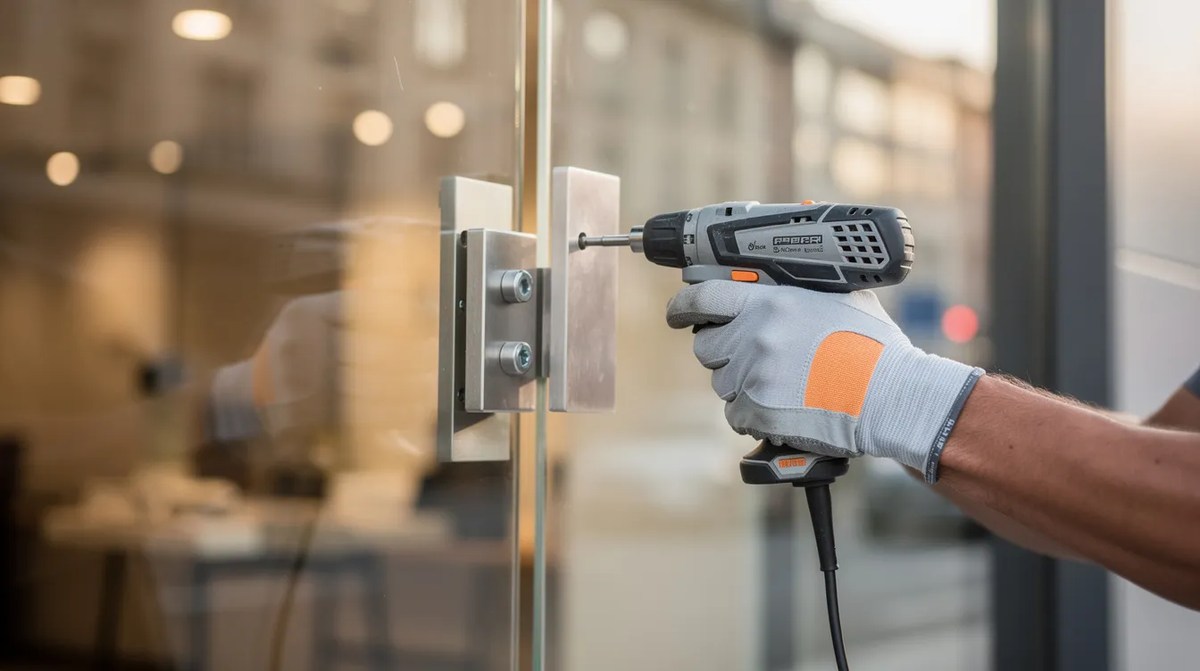
Not all glass protection is equal. Property owners often compare retrofit riot glass panels, integrated security glass units, and adhesive security film, but each solution performs differently under real threats.
- “Riot Glass”: retrofit polycarbonate or laminated security panels mounted over existing glass.
- “Security Glass”: factory-built laminated or multi-layer glazing used in new construction or full replacements.
- “Security Film”: thin, clear film applied directly on existing glass.
Here is the practical difference:
- Relative impact resistance: riot glass is generally stronger than security glass, and security glass is generally stronger than security film in forced entry situations.
- Performance during riots: riot glass is built to resist repeated attacks, while film mainly helps hold broken glass together.
- Cost and installation complexity: film is usually the lowest cost option, riot glass is mid to high, and full replacement security glass is often the highest cost choice because it may require new frames, heavier materials, and more labor.
Security film holds glass together but doesn’t resist impact in the same way a polycarbonate security glazing system does. Security film delays entry but won’t stop determined attacks when looters have time, heavy tools, and repeated blows. It can be useful for basic safety and fragment retention, but it is not the same as a forced entry barrier.
Riot glass is more effective than security film in riot situations because the goal is not only to delay entry. The goal is to deny entry long enough that attackers give up, alarms trigger, police respond, or occupants move to safety, which is why many commercial properties rely on riot protective window glass and doors that are engineered for sustained attacks.
Professionally engineered riot glass systems are designed for denial, not just delay. They protect doors and windows in high-risk areas while preserving visual appeal. Unlike security bars, plywood, or roll down gates, riot glass can maintain a clear aesthetic and stay virtually invisible from the street.
Levels of Protection: From Basic Deterrence to Maximum Security
The right protection level depends on your location, threat level, building design, budget, and the value of what you need to protect. A low-risk office does not need the same system as a high-end jewelry store, pharmacy, or school entry point.
Basic Security
Basic security usually involves single-layer security film on existing glass. It is intended to slow quick, opportunistic break-ins by a minute or two and reduce flying shards if the window breaks.
This level may fit:
- Upper-story windows that are harder to reach
- Low-crime areas
- Interior glass partitions
- Locations where the main concern is safety glazing, not organized looting
Security film is easy to install compared with heavier systems, but it is not riot proof, even when upgraded to tested multi-layer window film systems. It may delay a break, but it should not be expected to stop determined looters with hammers, bats, or crowbars.
Enhanced / Advanced Security
Enhanced security combines thicker laminated glass or multi-layer film with impact-resistant framing. This level provides significantly longer delay against forced entry using tools like crowbars and hammers.
It is often appropriate for:
- Street-level storefronts
- Pharmacies
- Healthcare facilities
- Offices in moderate-risk zones
- Display windows where merchandise is visible after hours
Riot glass protects healthcare facilities against forced entry, especially where emergency access, patient safety, and staff protection must be balanced with open visibility. Riot glass protects against forced entry in high-risk environments by turning quick access points into hardened barriers, making it a core part of storefront glass protection strategies during protests and riots.
At this level, the system may be retrofitted into existing window openings, which reduces disruption. Riot Glass can be retrofitted into existing window openings, and Riot Glass is installed over existing doors and windows. That means many properties can enhance security without removing every frame or redesigning the storefront.
Maximum Security
Maximum security involves dedicated riot protective glass or polycarbonate systems designed to withstand long-duration mob attacks. These systems may be tested to recognized standards for forced entry and, in some cases, ballistic resistance.
Some products are also bullet resistant, but that must be specified. Forced-entry resistance and ballistic resistance are different types of protection.
Maximum security solutions are often used in:
- High-end retail
- Banks and financial centers
- Cannabis dispensaries
- Government buildings
- Schools
- Critical infrastructure
- Homes where owners are concerned about targeted threats that may require integrated bullet-resistant door systems in addition to secure glazing
Riot Glass is designed to stop break-in attempts with a 100% success rate, based on documented product claims and properly installed systems in intended applications. Riot Glass has a 100% success rate in stopping break-ins when the correct system is selected, installed, and matched to the threat profile.
Most riot protective glass is between 4-6mm thick, but the overall protection depends on more than thickness. The frame, anchors, glass type, laminate, polycarbonate, door hardware, and installation method all determine how the system performs.
Maximum security does not have to look aggressive. Many systems are nearly invisible, preserving natural light, sightlines, and storefront design while quietly hardening the building envelope. If you are unsure which level fits your property, the next step is a custom security assessment.
Applications: Where Riot Protective Glass Makes the Biggest Difference
Any glass door or window can become a weak point. The highest-risk locations are places where merchandise, occupants, or critical operations are visible and accessible from the street.
Common commercial applications include:
- Retail storefronts and malls in urban centers, where smash-and-grab theft and riot scenarios can unfold quickly.
- Pharmacies, cannabis dispensaries, and jewelry stores, where high-value goods are easy to resell.
- Banks, financial institutions, and check-cashing locations, where robbery and vandalism are both concerns.
- Schools, universities, and government buildings, where occupant safety is a priority and forced entry must be delayed for law enforcement response.
Schools use riot glass at entry points to prevent attacks and may also integrate ballistic and forced-entry glazing systems to address active shooter threats. In these cases, the objective is not just property protection; it is to delay intruders, protect occupants, and give staff time to respond.
Riot glass is beneficial for high-end retail and storefronts in urban areas because it allows valuable merchandise to remain displayed without leaving the business exposed. Imagine a 20-foot-wide glass storefront on a busy downtown street. With regular glass, looters may need only seconds to break the window and remove goods. With riot glass, that same attack can become loud, slow, and frustrating.
Residential and mixed-use applications also matter:
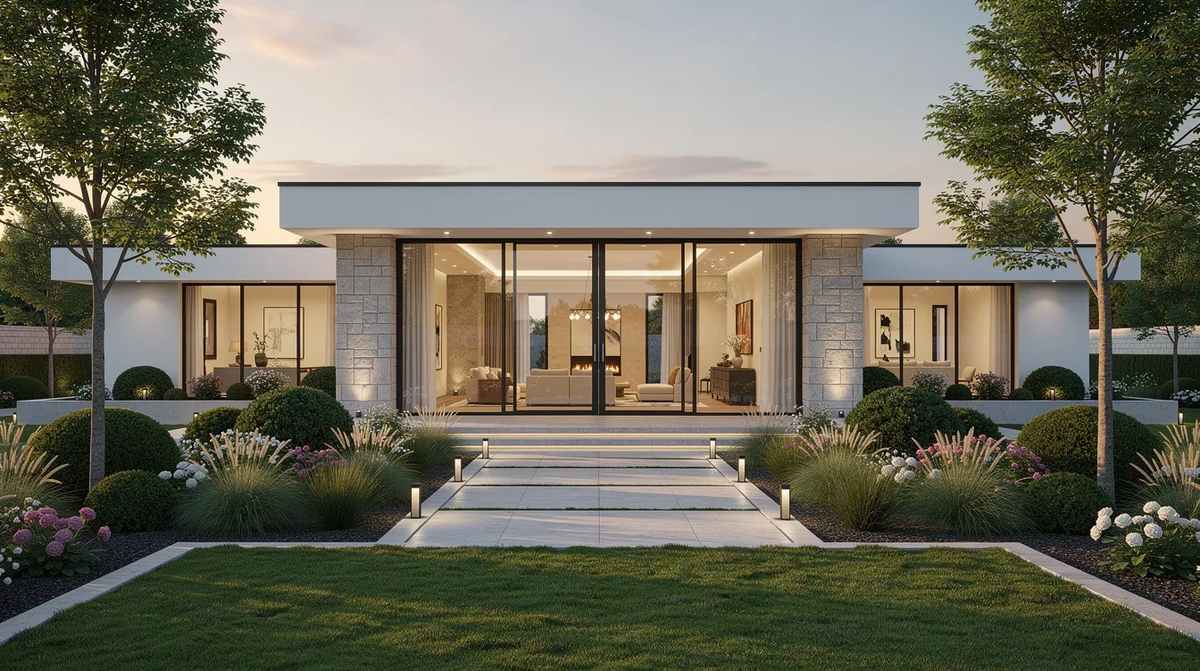
- Luxury homes, townhomes, and condos in cities with recurring civil unrest or burglary trends
- Street-level units with large glass doors and windows that invite easy access
- Mixed-use buildings where residents live above exposed retail glass
- Residential areas where owners want protection without unsightly installations
Riot glass provides protection without unsightly installations in residential areas. It maintains a clear aesthetic unlike security bars or plywood, and it offers peace of mind without making a home feel closed off, even though truly unbreakable or shatterproof glass does not exist for most real-world threats.
Systems can be customized for doors, sidelights, large display windows, transoms, and even skylights. They are designed around existing doors, existing windows, and existing openings to minimize disruption, which is critical for retailers focused on smash-and-grab prevention for storefronts and displays.
Understanding Forced Entry and Impact Testing
Quality riot protective glass solutions are lab-tested to industry standards to simulate real attacks. Testing matters because a product that looks strong in a showroom may not perform under repeated forced entry attempts.
Typical forced entry tests may include:
- Repeated strikes with sledgehammers, axes, or similar heavy tools
- Impacts from thrown objects such as bricks or concrete blocks
- Attempts to pry or lever the glazing out of its frame using crowbars
- Continuous blunt force attacks against corners, edges, and central impact points
Recognized standards such as ASTM F1233 evaluate forced-entry resistance under concentrated assault conditions. Ballistic products may also be evaluated under standards such as UL 752, and some facilities supplement glazing with ballistic window film solutions, but riot protective glass does not automatically mean bullet-resistant unless the product is specifically rated for that threat.
A real-world test scenario is easy to picture: a rioter swings a sledgehammer again and again, expecting the glass to collapse. Instead, the outer surface may fracture while the polycarbonate layer stays intact and blocks entry. After multiple blows, the attacker is tired, exposed, and still outside.
That is the difference between looking secure and being secure.
Untested DIY solutions, generic plastics, or unverified panels can create a false sense of safety. They may scratch, bow, pop out of the frame, or fail at the edges. A properly engineered solution combines the right glass, film, polycarbonate, anchors, sealants, and framing so the entire system works together as part of a comprehensive forced-entry protection strategy.
When reviewing options on a vendor’s www page, look for test reports, installation details, warranty terms, and clear explanations of what the product is designed to resist.
FAQ: Riot Protective Glass, Security Glass, and Security Film
Property owners usually ask the following practical questions before upgrading their glazing.
Is riot protective glass the same as bulletproof glass?
No. Riot protective glass is primarily designed to resist forced entry, smash-and-grab theft, looting, and impact from tools or thrown objects. Bullet resistant panels are built and tested for firearm threats, and they may be needed for banks, government buildings, schools, or other high-risk facilities that require bulletproof glass and ballistic glazing options.
How much does riot protective glass typically cost?
The cost varies widely based on size, thickness, hardware, framing, access, and protection level. Many commercial retrofit systems fall into the tens of dollars per square foot, while higher-level or ballistic systems can cost significantly more. A site-specific quote is the only reliable way to determine the final cost.
Will my windows still look clear?
Yes. Modern riot glass is designed to be virtually invisible from the street. Unlike boarding, plywood, security bars, or roll down gates, riot protective glass preserves the open look of your storefront while still adding protection.
Can riot glass be installed over my existing storefront windows?
In many cases, yes. Riot Glass can be retrofitted into existing window openings, and many systems are installed over existing doors and windows. A professional assessment will determine whether your current aluminum, steel, or wood frames can support the system or need reinforcement.
How long does installation usually take?
Many small storefront jobs can be completed in days, not weeks, depending on the number of openings and the complexity of the doors. Larger buildings, schools, healthcare facilities, and maximum security projects may take longer because of hardware, permitting, and custom fabrication.
How does this compare to boarding up or using roll-down shutters?
Boarding and shutters can protect glass, but they change the way the building looks and may need to be deployed before a threat. Riot protective glass offers permanent, 24/7 protection without sacrificing visual appeal. It lets your business remain clean, clear, and welcoming.
Can riot glass stop rioters from entering?
A properly selected and installed system can stop rioters long enough to change the outcome of an attack. Riot glass delays intruders during forced-entry attempts, blocks access after repeated impacts, and turns quick burglaries into prolonged events that deter criminals.
Is riot glass indestructible?
No security product should be described as absolutely indestructible in every possible scenario. However, riot glass is nearly indestructible against repeated blows in the types of attacks it is engineered to resist, and it is designed to withstand extreme physical attacks far better than regular glass.
Why Choose Our Riot Glass and Security Glass Solutions
We specialize in custom security glazing and riot protective glass systems for businesses, institutions, and residential properties that cannot afford weak entry points. Our work is focused on practical protection: the right material, the right frame, the right installation, and the right level of security for the actual threats you face.
Our approach includes:
- Experience designing and installing retrofit solutions for retail, schools, and government facilities since at least the mid-2010s
- Tested and documented security glass products engineered for forced entry and, where required, ballistic resistance
- Skilled installation teams trained to integrate new glazing with existing storefronts, doors, and framing while minimizing downtime
- Transparent, itemized quotes and clear timelines
- On-site security assessments to identify the most vulnerable glass and door areas
- Warranties on materials and workmanship, with clear terms explained before work begins
We also understand that every building is different. A jewelry store with merchandise displayed along the street needs a different solution than a school vestibule, a healthcare facility, or a private residence. Our team can help determine whether you need film, laminated security glass, polycarbonate panels, bullet resistant glazing, or a combined system.
If local permitting, code requirements, or neighborhood crime patterns affect your project, we account for those things before installation begins. The result is a security upgrade that is effective, clean, and built around your property rather than forced into it.
Conclusion: Turn Vulnerable Glass Into a First Line of Defense
Riot protective glass transforms vulnerable windows and doors into strong barriers against riots, looting, and everyday forced entry attempts. It provides impact resistance, deterrence, a clear appearance, and long-term peace of mind for the people inside your building.
If you are concerned about looting, smash-and-grab theft, or exposed glass doors, start with your most visible street-level windows and entry points. Schedule a security evaluation or request a quote for riot glass so you can protect your business, property, occupants, and operations before the next threat appears.
The best time to harden your glass is before someone tries to break it.