Table of Contents
Why Storefront Protection During Civil Unrest Can’t Wait
Understanding Civil Unrest Risk for Storefronts in 2026
Immediate Steps to Protect Your Storefront This Week
Physical Security Solutions That Actually Stop Forced Entry
Planning, Training, and Business Continuity for Civil Unrest
Why Choose Impact Security
FAQs: Civil Unrest and Storefront Physical Security
Introduction: Why Storefront Protection During Civil Unrest Can’t Wait
Between late May and early June 2020, civil unrest swept across more than 140 U.S. cities. In Minneapolis alone, 1,500 properties were damaged, with roughly $550 million in losses. Nationally, civil unrest caused over $2 billion in insured losses in 2020, making it one of the costliest periods of civil disorder in modern history. Recent events during the 2024–2025 election cycles confirmed that this risk has not faded – it has become a recurring line item on every facilities manager’s risk register.
Here is the hard truth that many property owners learned too late: alarm systems and security cameras recorded everything but stopped nothing. Thieves were through standard tempered storefront glass in under three seconds and gone with merchandise in under 90 seconds – well before police could respond. Physical barriers are more effective than alarms during civil unrest because they actually resist the breach rather than simply document it.
This article walks you through how to protect your property with layered physical security solutions, how security glazing compares to security gates, and how to keep business continuity at the center of your plan. Along the way, we will introduce Impact Security’s DefenseLite retrofit glazing systems as a proven complement – or alternative – to traditional gates and shutters.
Understanding Civil Unrest Risk for Storefronts in 2026
Civil unrest includes protests, riots, politically driven demonstrations, and organized retail crime flash mobs. Protests can escalate to violence without warning, transforming a permitted march into a storefront-shattering event within minutes.
This is not limited to large cities. The 2020–2021 events hit Minneapolis, Kenosha, Portland, and Philadelphia, but also smaller communities in Missouri and New Hampshire. Demonstrations in Washington, D.C. during the 2024 cycle and scattered incidents across the country through 2025 proved that civil unrest can occur in both large and small cities wherever a trigger – a verdict, an election result, a viral video – ignites public tension.
Risk factors to identify for your location include:
- Large windows and high glass exposure on main streets
- Visibility of high-value merchandise from sidewalks
- Proximity to courthouses, government buildings, campuses, or a large protest route
- History of nearby businesses being targeted in past incidents
You also need to contrast predictable events (elections, scheduled verdicts, permitted protests) against flash events driven by social media, which can quickly turn a quiet evening into a crisis with almost no warning. Stretched police and fire resources during these other events mean you cannot count on rapid emergency response. Your own physical security is your first line of defense, and understanding your risk profile is the first step toward selecting the right security solutions.
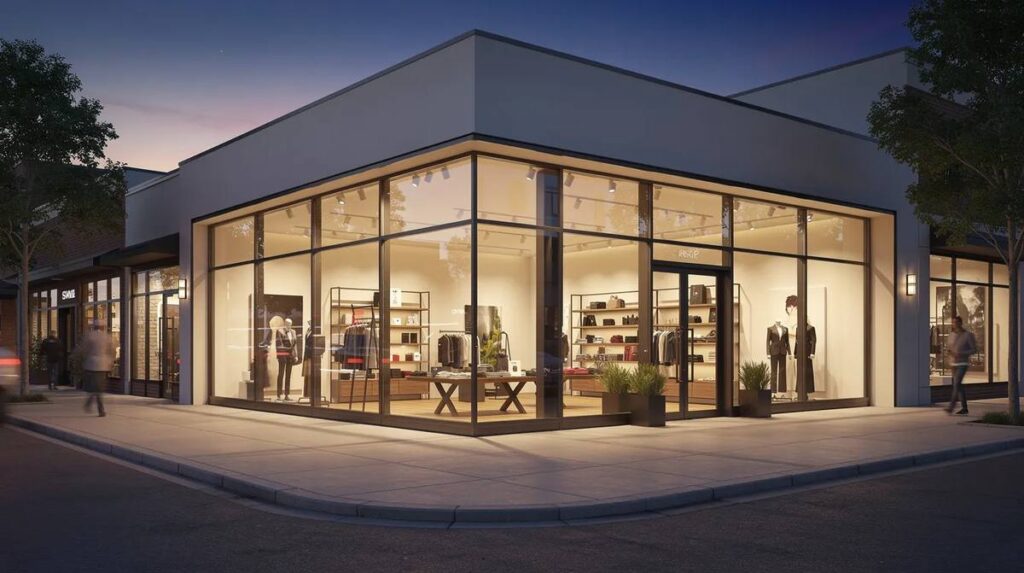
Immediate Steps to Protect Your Storefront When Unrest Is Expected
In the 24–72 hours before a planned protest or high-risk event, speed and clarity matter more than perfection. Develop a site-specific action plan for civil unrest preparation and activate it when triggers occur. Here are the following actions to prioritize:
- Remove high-value inventory from storefronts during civil unrest to prevent loss. Move cash, controlled substances, and records away from display windows and store them offsite or in a secure back room.
- Board up windows and doors with plywood or security film to deter vandalism during unrest. Pre-cut panels stored offsite and ready for deployment save critical hours.
- Maintain thorough documentation of a property’s condition before potential unrest – photograph every window, door, and display for insurance purposes.
- Back up point-of-sale and security system data. Confirm alarm system monitoring and update contact trees.
- Ensure fire protection systems are operational ahead of potential civil unrest. Turn off utilities to reduce fire risk if a building is breached during civil unrest.
- Improve exterior lighting in parking lots to deter vandalism. Clear the perimeter by removing advertising bins, outdoor furniture, and any exterior items that could be used as projectiles during unrest.
- Security cameras should cover all entry and exit points and ideally be monitored remotely.
- Verify that emergency egress routes remain clear even if temporary protection is deployed.
Prioritize human safety by avoiding confrontation during civil unrest events. Employee safety always comes before property protection. Assign who decides closure times, and prepare a short civil unrest briefing template for staff.
Monitor official alerts from local authorities during periods of civil unrest. These reactive steps buy time but are not a substitute for engineered physical security solutions like forced-entry-resistant glazing and reinforced door systems.
Physical Security Solutions That Actually Stop Forced Entry
Physical security tools provide the best protection during civil unrest because they create a physical barrier between crowds and your assets. Alarm systems often fail during large-scale civil unrest events – not because they malfunction, but because response times stretch beyond usefulness. Physical barriers are more effective than alarms during unrest because they delay or defeat entry regardless of response speed.
The core categories of physical security solutions for storefront protection include:
| Solution | Delay Time | Aesthetics | Maintenance | Best For |
|---|---|---|---|---|
| Security gates / roll down shutters | High | Visible, can look imposing | Motors, hinges, lubrication | After-hours protection, high-risk sites |
| Retrofit security glazing (DefenseLite, RiotLite) | Very high | Nearly invisible | Cleaning, occasional panel swap | 24/7 protection with curb appeal |
| Reinforced doors and locks | Moderate–High | Minimal visual change | Low | Securing access points |
| Perimeter elements (bollards, planters) | Varies | Blends with streetscape | Low | Vehicle-ram and approach deterrence |
The concept of delay time is critical. It measures how many minutes of sustained attack a barrier can withstand. Even 60 seconds of robust delay changes attacker behavior – most smash-and-grab incidents occur because standard glass offers zero delay. Physical security integrates with existing cameras and alarm systems to create layered security solutions: video and alarms provide evidence and alerts, while glazing and gates prevent or slow the breach.
Security Gates vs. Security Glazing: Choosing the Right Storefront Protection
Many retailers assume they must choose either permanent security gates or glazing upgrades. In practice, the best protection often combines both depending on risk, brand image, and lease terms.
Security gates deter property damage during civil unrest by making entry harder. Permanent security gates can be closed in minutes when needed, and they create a hardened delay between crowds and storefronts. Install roll-down shutters or steel gates for high-risk storefronts during civil unrest, especially on rear service doors and loading docks. However, permanent gates can affect daytime curb appeal, may conflict with municipal transparency ordinances, and have mechanical components that require regular service. Wall pockets for stored gates consume valuable floor space.
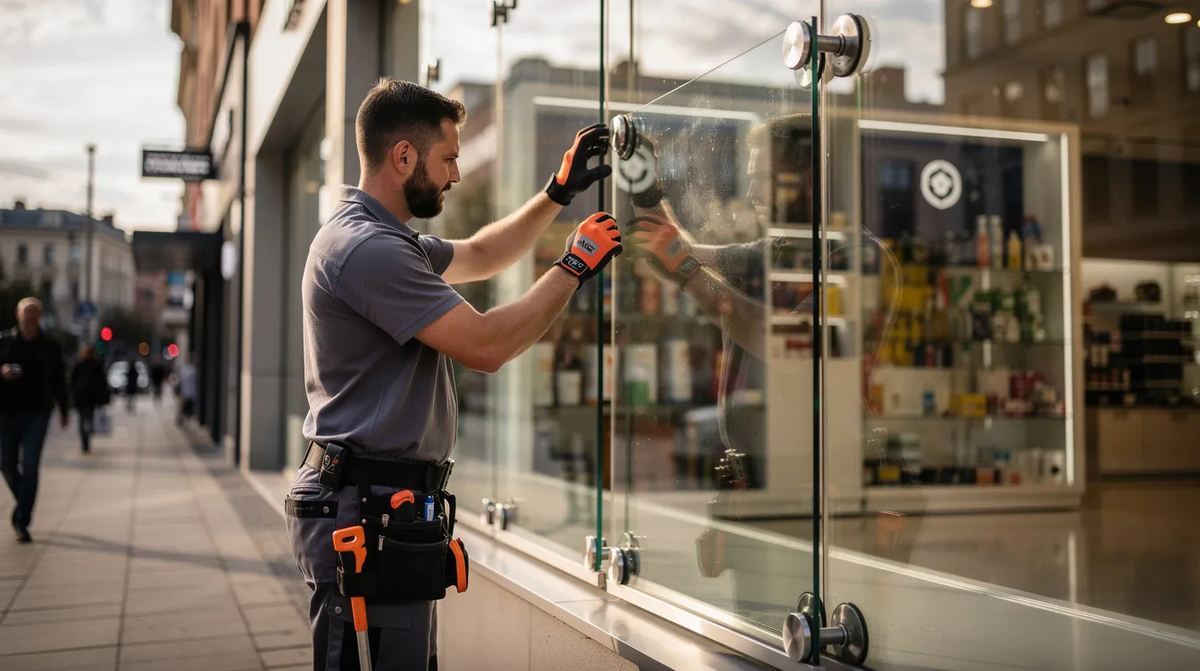
Retrofit security glazing from Impact Security, such as DefenseLite overglaze security systems, offers everyday storefront protection that remains invisible during business hours. DefenseLite Pro shields are mounted over existing glass using engineered aluminum extrusions, absorbing repeated blunt-force impacts without shattering. These systems, including DefenseLite Pro high-strength glazing, meet ASTM F3561 Level 8 forced entry resistance – the highest tier – while preserving natural light and brand aesthetics. After a major civil unrest event, only damaged panels need replacement rather than entire glass units.
A practical example: a jewelry store on a busy main street deployed DefenseLite shields on all street-facing large windows while installing roll-down shutters on rear service doors. The result was an inviting façade during business hours with full-perimeter protection when events demanded it. Protecting storefronts during civil unrest includes both physical reinforcements and emergency planning – rarely just one or the other.
Beyond the Glass: Doors, Frames, and Perimeter Hardening
Attackers during civil disorder frequently bypass glass by targeting weak doors, sidelights, and rear loading entries. Reinforcing aluminum storefront door frames, adding high-security deadbolts and latch guards, and applying forced-entry-resistant glazing to door lites and sidelites closes these vulnerable access points.
Perimeter hardening – fixed or removable bollards, heavy planters, enhanced lighting – and forced-entry-resistant doors and windows prevents vehicles from being used as rams during riots while making manual intrusion attempts more difficult. Any upgrades must be reviewed against local fire, building, and ADA codes so that while you protect your property, you do not compromise emergency egress or block fire protection systems.
Planning, Training, and Business Continuity for Civil Unrest
Even the best physical security hardware fails if your team does not know when and how to deploy it. A practical civil unrest response plan should cover:
- Triggers for closing early and who makes the call
- Steps to secure cash, equipment, and controlled substances
- Who deploys gates or verifies that glazing shields and alarm systems are armed
- Who communicates with landlords, security personnel, police, and insurers
Short annual drills on securing entrances, checking that installed DefenseLite protective systems or other protective systems are properly locked, and arming alarms before a rushed closure keep your plan actionable. Vacant buildings are especially vulnerable during civil unrest, so plan for properties that may be unoccupied during events.
Business continuity elements specific to storefront businesses include alternate sales support channels like e-commerce or curbside pickup, temporary relocation options, inventory staging away from glass-line exposure, and backup power for critical systems. Review your applicable policy – specifically commercial insurance policies – to confirm coverage for civil unrest-related damage, business interruption, and property damage from broken windows and fire. Coordinate with nearby businesses and property managers so that preparations across the block are aligned rather than piecemeal.
Why Choose Impact Security for Storefront Civil Unrest Protection
Impact Security is a U.S.-based company that manufactures and installs retrofit security glazing systems designed to harden existing glass against civil unrest, forced entry, and ballistic threats – without requiring full window replacement, backed by industry-leading security glazing expertise.
Products relevant to civil unrest storefront protection include:
- DefenseLite Pro: ASTM F3561 Level 8 retail security and loss prevention glazing for maximum delay against sustained attack
- RiotLite: ASTM F3561 Level 3ET storefront glass protection film-based system for cost-effective smash-and-grab deterrence
- BulletShield: Ballistic-rated glazing for high-risk locations such as banks and pharmacies
- Custom safe-room solutions: Back-of-house protection to protect employees during extreme incidents
Impact Security offers turnkey services from site assessment and engineering through fabrication at U.S. facilities in Marietta, GA and Glendale, AZ, to installation via a nationwide network of certified dealers. Founded in 2016, the company serves national retail chains, school districts, hospitals, government agencies, and property owners across the country through a growing network of certified DefenseLite dealers. Because these systems are retrofits – deployed over existing glazing – installation is faster and less disruptive than full window replacement, which is crucial when civil unrest risk is rising on a short timeline.
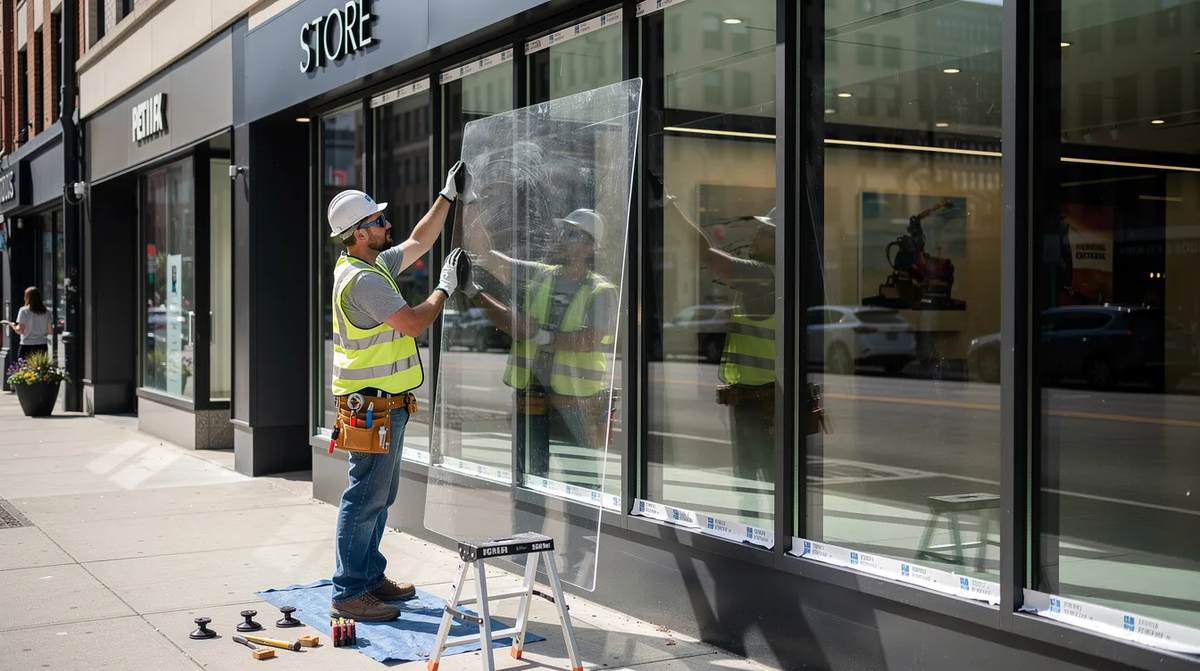
Ready to prepare your location? Request a free site-specific estimate or use the DefenseLite contact form to connect with a local certified dealer for a civil unrest storefront protection assessment.
FAQs: Civil Unrest and Storefront Physical Security
If I already have cameras and an alarm system, do I really need physical security upgrades? Yes. Cameras and alarms are reactive – they record and alert, but they do not resist forced entry. During a large protest that escalates, response times from police can stretch well beyond the 60–90 seconds it takes to breach standard glass. Physical security tools provide the layer of defense that actually holds the line. Cameras remain important for evidence and remote monitoring, but they work best alongside a physical barrier.
Will physical security solutions make my storefront look like a fortress? Not necessarily. Permanent gates and roll-down shutters are visible and serve as a strong deterrent, but they can affect daytime curb appeal. Retrofit security glazing like DefenseLite is nearly invisible, preserving natural light and brand image. Modern physical security can secure a building without sacrificing aesthetics.
How long does it take to install retrofit security glazing on an existing storefront? Typical timelines range from a few weeks to several months depending on project size, site assessment complexity, and local permitting. The key is to plan well before a given time of heightened risk – ahead of an election cycle, a major trial verdict, or seasonal unrest patterns – rather than scrambling at the last minute.
Can these security upgrades help with insurance or risk management requirements? Insurers increasingly look favorably on documented physical security improvements. Properties with engineered forced-entry mitigation may qualify for more favorable premiums or deductible structures. Talk to your broker about civil commotion and business interruption coverage and share your upgrade documentation.
What happens to DefenseLite or other shields after a riot or attempted forced entry? After any incidents, panels should be inspected for stress cracks or impact damage. Only affected shields need replacement – not the entire glass system. Impact Security and its dealers provide post-incident service to get your storefront back to full protection quickly.
Are there building code or fire safety issues with adding security glazing or gates? Life-safety codes still apply. Exits cannot be blocked, emergency egress must remain operable from the inside, and any gates or door hardware must meet local code. This is why using experienced, certified installers matters – they ensure your upgrades focus on protection without creating compliance issues.
Conclusion: Turn Civil Unrest Risk into Storefront Resilience
Civil unrest will remain a recurring risk through election cycles, high-profile verdicts, and unpredictable flash events. The nature of the threat means you cannot prepare after the fact. Proactive physical security planning – selecting the right glazing, reinforcing doors, hardening perimeters, and training staff – dramatically reduces property damage and downtime.
The importance of moving beyond cameras and alarms alone cannot be overstated; comparing DefenseLite versus security glass film strength illustrates how much more protection engineered glazing can provide. Effective strategies for storefront protection involve securing windows and doors with engineered solutions, developing clear employee safety practices, and maintaining business continuity plans that keep your operation running even when the street outside turns chaotic.
Contact Impact Security today for a no-obligation site assessment or free estimate. Whether you manage a single storefront or a portfolio of locations across the country, our team will design a tailored civil unrest storefront protection plan that fits your specific site, budget, and timeline. Multi-site operators, school districts, and local governments should consider standardized glazing and physical security solutions across their properties to simplify training, maintenance, and long-term resilience.