Glass doors and unprotected school windows remain one of the most overlooked vulnerabilities in K–12 campuses. With more than 351 school shooting incidents recorded in 2023 alone, administrators need clear, honest guidance on how security glazing works, what it costs, and where it matters most. This article breaks down the options so your team can make informed decisions.
Table of Contents
- Introduction: Why School Security Windows Matter in 2026
- Current Threats & Vulnerabilities in School Windows and Doors
- Types of Security Windows and Glazing Options for Schools
- Bulletproof Windows vs. Other School Security Window Systems
- Strategic Placement: Where Schools Should Use Security Windows and Ballistic Glass
- Costs: How Much Do School Security Windows and Doors Cost?
- Process: Installing Ballistic Glass and Security Windows in Existing Schools
- Beyond Glass: Integrating Security Windows with Broader School Safety Measures
- Are Bulletproof Windows Breakable? Limitations and Misconceptions
- How to Evaluate and Select the Right Security Window Products for Your School
- FAQ: Common Questions About School Security Windows and Bulletproof Glass
- Why Choose Our Team for School Security Windows and Ballistic Glass Projects
- Conclusion & Next Steps
Introduction: Why School Security Windows Matter in 2026
Between 2020 and 2023, firearm incidents on K–12 school grounds tripled from 114 to 346. Post-incident analyses consistently identify glass doors and entry and hallway windows as early breach points, giving attackers both visibility and access. When standard glass shatters, it creates an opening an intruder can step through in seconds.
Security windows for schools refer to a spectrum of glazing solutions – from security window films that hold broken glass in place, to bullet resistant glass engineered to stop handgun and rifle rounds. The goal is not to build a windowless school or promise invincible protection. It is to delay intruders, protect students and staff, and buy critical minutes for lockdown and law enforcement response. Security glazing should focus on creating time barriers to delay intruder entry, and that shift in thinking is reshaping how districts approach school safety planning. The sections below walk through types, placement, costs, and the installation process so your team can move from concern to action.
Current Threats & Vulnerabilities in School Windows and Doors
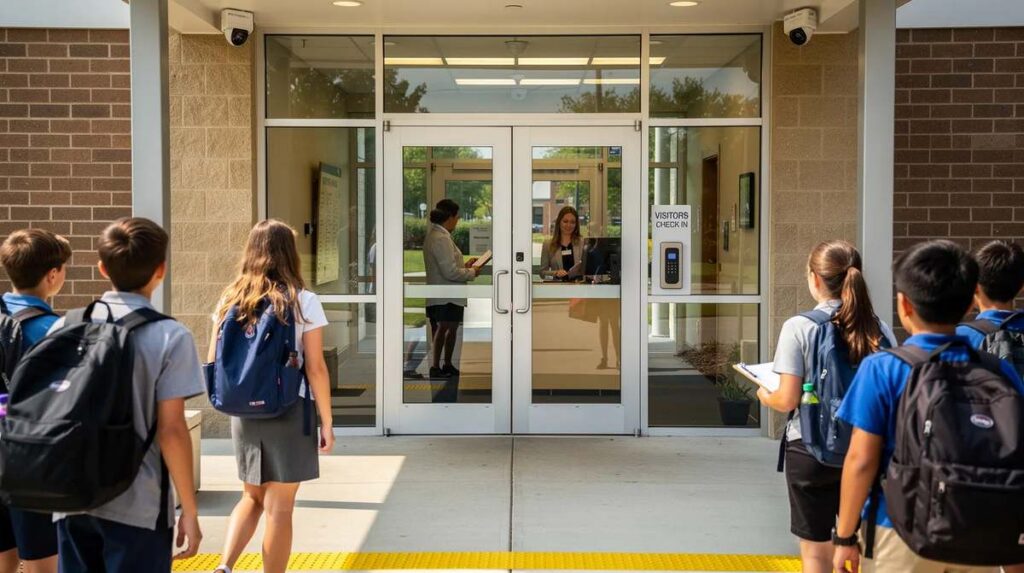
Most school security incidents are not dramatic Hollywood-style attacks. They involve forced entry through glass doors, sidelites next to locked doors, or ground-floor classroom windows – often by current or former students or opportunistic intruders targeting school property after hours.
Key threats for 2024–2026 include:
- Active shooter events – the FBI reports dozens of active shooter incidents annually in or around educational environments, including the nashville school shooting and similar tragedies that exposed vestibule glass as a critical failure point.
- Vandalism and smash-and-grab theft – stolen laptops, lab equipment, and AV gear often leave through broken glass.
- Burglary during off-hours – standard tempered glass shatters easily, creating both an entry point and dangerous broken glass shards.
- Severe weather – flying debris and storm pressure can blow out unprotected panes.
Texas safety assessments in 2024–25 found roughly 22.56% of campuses had windows adjacent to exterior doors that did not use intruder-resistant material. Several states have now begun mandating or strongly recommending security glazing at main entrances after 2022 legislation.
Types of Security Windows and Glazing Options for Schools
“School security windows” is an umbrella term covering several product categories. Specialized security window systems are required to fortify a campus against attacks, and effective school glass protection solutions delay forced entry and contain glass fragmentation. Here is what each type does – and does not – provide:
- Security window films – thin polyester layers applied over existing glass. Security window films primarily hold glass together during breakage and can delay forced entry attempts by 15 seconds to several minutes. They do not stop bullets.
- Laminated glass – multiple layers of glass bonded with polymer interlayers. Resists blunt force and some tool attacks. A meaningful upgrade over tempered glass but still inadequate against ballistic threats.
- Containment-grade forced-entry glazing – thicker laminated or glass-clad polycarbonate assemblies. Clear, heavy-duty polycarbonate panels can absorb blunt force attacks and remain intact, and polycarbonate containment systems offer higher durability than standard window films. Tested under ASTM forced-entry standards.
- Ballistic-rated bulletproof security windows – certified under UL 752 to stop specific calibers. Bulletproof glass is available in various protection levels (Level 1 for 9mm handguns through Level 8 for rifle rounds). Bulletproof glass uses multiple layers to disperse bullet energy, and it is thicker and stronger than security window films. These systems incorporate glass and other transparent synthetic materials like polycarbonate.
No single product fits every opening. Retrofitting existing classroom and hallway windows with film or laminated glass may be practical where full ballistic glass windows are unnecessary or cost-prohibitive. Different locations require different glazing levels to balance risk and school’s security budget.
Bulletproof Windows vs. Other School Security Window Systems
Only products tested to ballistic standards truly qualify as bulletproof windows. The term “shatterproof” or “security glass” often describes laminated or filmed glass that resists breakage but cannot stop a bullet. True bullet-resistant glass can stop specific calibers of ammunition entirely. Bulletproof glass can stop shots from most handguns, and acrylic bulletproof glass can stop shots from common handguns as well.
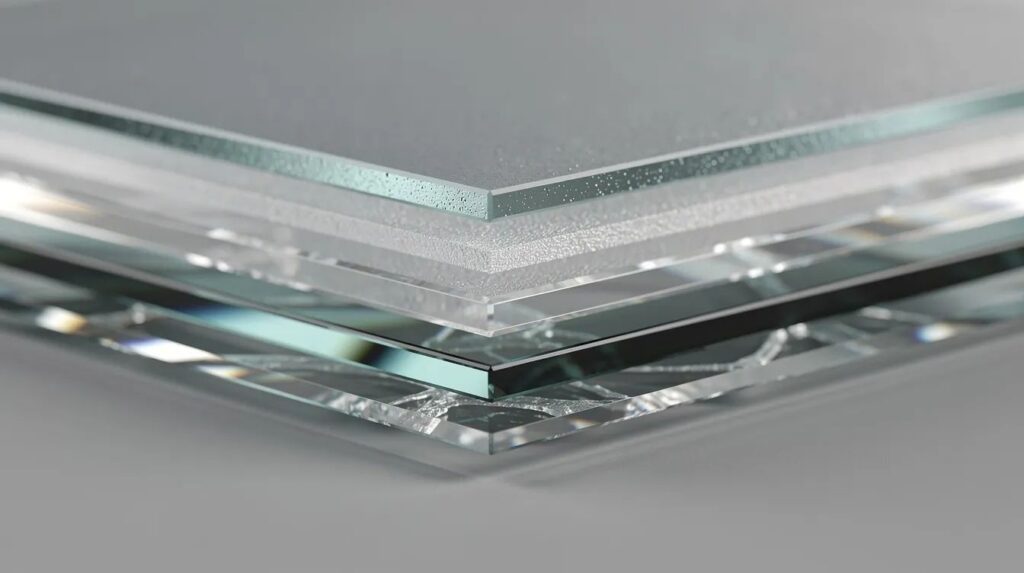
How it works: ballistic glass is built from fortified glass layers bonded with polycarbonate or transparent synthetic materials. When struck, the outer glass cracks while interlayers absorb and disperse energy. The panel flexes but prevents penetration, and most ballistic glass maintains its barrier even when visibly damaged.
Key comparisons:
- Bulletproof glass – stops rated calibers; thick, heavy; requires rated frames; highest cost. Specialized security windows designed for high security environments like military installations, government buildings, and school buildings.
- Forced-entry glazing – resists tools and blunt force; lighter than ballistic; does not stop bullets; moderate cost.
- Window films – lowest cost; delays entry; cannot stop bullets; easiest to retrofit over existing glazing.
A Tennessee school with roughly 1,200 students installed UL Level 8 ballistic panels in entry zones during a single summer. Panels were hung and finished to match interior aesthetics in under four weeks, demonstrating that even rifle-rated protection can be integrated quickly with proper planning. Bulletproof glass can delay unauthorized entry into schools, which is the core objective in any possible attack scenario combined with lockdown procedures.
Strategic Placement: Where Schools Should Use Security Windows and Ballistic Glass
Not every pane on campus needs ballistic rated glass. High-risk zones should have full ballistic glazing systems for maximum protection, but a layered approach lets you allocate resources where they matter most.
High priority – ballistic glass:
- Main entry vestibules and ballistic rated glass doors
- Reception and office windows facing visitors
- Ground-floor classroom windows near parking lots or drop-off zones
- Glass adjacent to exterior doors and sidelights
Medium priority – forced-entry glazing or laminated glass:
- Side and rear doors
- Stairwell and hallway windows
- Administrative areas not open to the public
Interior openings:
- Office transaction windows, nurse’s station windows, and confined space equipped service counters can use ballistic or forced-entry transaction windows with voice ports and deal trays.
Windows should not be completely blacked out to allow visibility for spotting threats. Maintaining unobstructed sightlines is important during normal school operations. Always verify that upgrades to exit routes comply with fire and egress codes and involve both security professionals and a knowledgeable glazing contractor.
Costs: How Much Do School Security Windows and Doors Cost?
Door costs and window costs vary widely. Here are realistic 2026 ranges:
| Protection Level | Approximate Cost per Sq. Ft. |
|---|---|
| Basic safety film | $15–$25 |
| Forced-entry glazing (UL Level 1–3) | $60–$140 |
| Rifle-rated ballistic glass (UL Level 4–8) | $200–$420+ |
Bulletproof glass costs approximately $500 per square foot at the highest levels. A 100-classroom school can exceed $20 million for full bulletproof glass coverage, and retrofitting all schools nationally with ballistic windows could cost over $2.6 trillion. These numbers show why bulletproof security windows expensive options are impractical everywhere – and why phased planning matters.
Ballistic glass installation requires structural renovations that can double costs because the glass is heavy and existing frames often need replacement. Complete ballistic doors, frames, and hardware must be tested as a system, making doors cost significantly more than equivalent window openings.
Phased budgeting works best: secure main entrances and office glass first, then expand to ground-floor classrooms. Federal programs like the COPS School Violence Prevention Program (SVPP) have offered up to $500,000 per district, and the Department of Education’s School Infrastructure Programs help with facility improvements. These can offset what would otherwise be a huge financial burden, particularly those districts operating under tight security budgets.
Process: Installing Ballistic Glass and Security Windows in Existing Schools
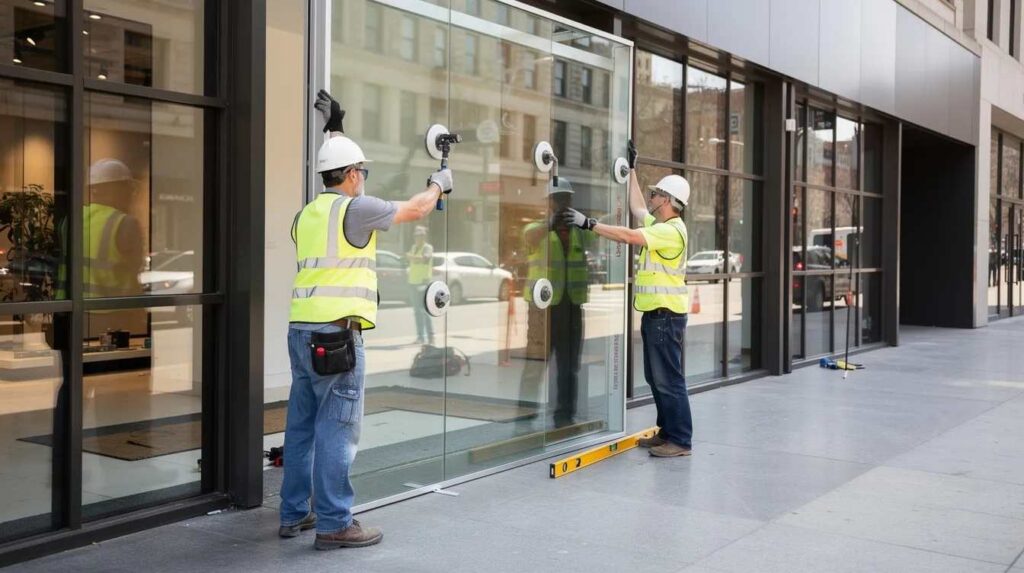
A typical project for installing ballistic glass follows this timeline: assessment and design, product selection, fabrication (several weeks for custom orders), installation during summer or holiday breaks, and final inspection. Installing ballistic windows involves careful coordination to minimize classroom disruption and strengthen classroom window security.
Key steps:
- Site survey – map vulnerable locations, measure existing openings, evaluate frame condition. The effectiveness of security glass or film relies on the strength of the frame holding it.
- Engineering – weight and load calculations, coordination with architects and code officials following proper installation guidelines.
- Installation – temporary barriers during work, noisy tasks scheduled outside class time. Retrofitting existing classroom windows is often possible using overlay systems when frames are adequate.
- Training – staff must learn new procedures: keeping vestibule doors locked, using intercoms, enforcing visitor check-in. Working with local glazing contractors ensures compliance with laws and avoids a door lock jam or hardware failure that could bypass security entirely.
Beyond Glass: Integrating Security Windows with Broader School Safety Measures
Security windows are one layer in a comprehensive school security plan. They work best when paired with access control systems, camera coverage, visitor management, and an active shooter plan that staff regularly practice.
- Secure vestibules, robust door hardware, and ballistic doors work together with glazing to slow threats at the perimeter.
- Camera analytics and gun-detection sensors can provide transparent protection by giving early warning before an attacker reaches glass doors.
- Lockdown drills and staff training on secure entry protocols reinforce glazing upgrades – the strongest ballistic windows are undermined if someone props a door open.
- Each state has different school security requirements. Legislation increasingly mandates ballistic features in schools, and compliance with local laws is crucial for school security upgrades.
- Revisit your school system’s security plan after any major incident, policy change, or renovation. Safety concerns evolve, and original architectural plans may no longer reflect current risk.
Are Bulletproof Windows Breakable? Limitations and Misconceptions
Yes, bulletproof windows breakable is a real concern – but context matters. Ballistic glass is engineered to absorb and disperse energy, not remain pristine. When struck, it cracks in a spiderweb pattern much like a commercial airline crash damages a black box flight recorder casing – the exterior deforms while the interior stays protected. The analogy holds: sacrificial damage on the outside keeps building occupants safe inside.
Most school shooters use commonly owned handguns. Bulletproof glass can stop shots from commonly owned handguns and can stop multiple rounds at rated levels. However, extremely high-powered weapons or armor-piercing ammunition fired repeatedly may eventually degrade performance. Even then, remaining structure prevents an attacker from creating a door-sized opening. Most determined school shooters would still face significant protection that buys minutes – often enough for lockdown.
A security window rated at UL 752 Level 3 will handle .44 Magnum rounds. A high-power rifle requires Level 4 or above. Schools should confirm their glazing matches their threat profile, not assume all ballistic glass provides equal coverage. Preventing school shootings entirely requires more than glass, but the right glazing transforms a vulnerability into a time barrier.
How to Evaluate and Select the Right Security Window Products for Your School
Choosing security glazing is a balance of risk, budget, and building constraints. Relying on generalized manufacturer claims for security solutions is not recommended. Instead, schools should use certified security glazing validated by third-party standards like UL 752 to provide transparent protection they can trust.
Decision checklist:
- What threats are you prioritizing? Forced entry attempts vs. handguns vs. rifles?
- Which school buildings and wings are highest risk based on site layout and traffic?
- What is your realistic budget and phasing plan?
- Have you required independent test data showing glass, frames, and hardware rated as a complete system?
- Does your selection committee include administrators, facilities staff, and security professionals – and ideally local law enforcement?
- Are you comparing multiple scenarios (ballistic glass at entrances only vs. broader forced-entry coverage) with estimated cost and installation timelines?
- Have you accounted for classroom walls and structural capacity to support heavier glazing?
FAQ: Common Questions About School Security Windows and Bulletproof Glass
Do we need bulletproof glass on every school window? No. Only high-exposure locations typically justify full ballistic glass. Most openings can be protected with forced-entry glazing or film as a cost-effective solution. A phased approach focuses spending where risk is greatest.
How long do bulletproof windows last? Ballistic glass systems typically last 15–20 years with proper maintenance. UV exposure, thermal cycling, and cleaning damage can degrade clarity and performance over time, so plan for eventual replacement.
Can we retrofit existing school windows or do we need full replacement? Many openings accept overlay systems or replacement glass units within existing frames. If the frame cannot support the weight or is not rated, full replacement of glass, frame, and hardware is necessary.
What ongoing maintenance do ballistic glass systems require? Regular inspections for cracks, seal integrity, and hardware alignment. Clean with non-abrasive materials. Replace any panel that has taken an impact or shows delamination.
Will security windows change the appearance of our campus? They may slightly affect light transmission and add visible thickness. Well-specified products minimize optical distortion, and frame color and glass type choices help maintain aesthetic consistency.
What legal or code requirements apply to school security glazing in our state? Requirements vary. Texas adopted specific glazing mandates under 19 TAC §61.1031. Consult your state’s current guidelines plus local building and fire codes before specifying products.
Can we use grants or public safety funds to help pay for school security windows? Yes. Federal programs like the COPS SVPP and the Department of Education’s School Infrastructure Programs support security upgrades. State-level grants are also available in many jurisdictions for 2024–2026.
Why Choose Our Team for School Security Windows and Ballistic Glass Projects
Our team specializes in school security glazing, from forced-entry window films to fully rated bulletproof security windows and ballistic doors. We bring engineering support for installing ballistic glass in existing frames, deep familiarity with current school safety standards, and project management built around academic calendars so work happens when students are away.
We offer the full range of security products schools need – including specialized security windows designed for K–12 environments – and help with phased planning, grant documentation, and clear proposals that give boards and communities the information they need to move forward confidently.
Conclusion & Next Steps for Improving School Safety with Security Windows
Glass openings remain a critical vulnerability in most school buildings. A spectrum of solutions exists, from basic film to rifle-rated ballistic glass, and strategically placed security windows for schools can dramatically improve outcomes during an emergency. Realistic planning, independent testing, and thoughtful placement matter more than simply buying the thickest product available.
Upgrades should fit within a broader school safety plan that includes access control, training, and regular reassessment. Start with a site assessment of your most exposed entry points. Contact our team for a no-obligation consultation on which windows and doors to prioritize first – and ask about our planning checklist to help you bring a clear proposal to your next security committee or board meeting.