Table of Contents
- Why Intrusion Resistant Windows Matter in 2026
- What Are Intrusion Resistant Windows? Core Definitions & Threats
- How Intrusion Resistant Windows Work: Materials, Layers, and Performance
- Intrusion Resistant Windows vs. Other Security Glazing Options
- Best Applications: Where They Make the Biggest Difference
- Retrofit vs. Replacement: How Upgrades Actually Happen
- What to Consider When Choosing Intrusion Resistant Windows
- Why Choose Impact Security for Intrusion Resistant Window Upgrades
- FAQs About Intrusion Resistant Windows
Introduction: Why Intrusion Resistant Windows Matter in 2026
Smash-and-grab crime, active-shooter events, and organized retail theft have reshaped the security landscape since 2020. Retail shrink alone reached $112.1 billion in recent reporting, and flash-mob incidents continue to target storefronts across the country. Schools, office buildings, and retail chains are all feeling the pressure to protect occupants and property.
Intrusion-resistant windows are glazing systems engineered for windows and doors that go far beyond standard tempered glass. They resist forced entry from crowbars, sledgehammers, bricks, and even firearms, keeping intruders out and reducing flying glass that endangers people inside. Ordinary glass fails in seconds under blunt force, sending dangerous glass shards into occupied spaces.
This guide delivers practical guidance for facility managers, security directors, architects, and public agencies evaluating intrusion-resistant glazing for both existing buildings and new construction. Impact Security, a U.S.-based manufacturer and installer of retrofit security glazing systems, including DefenseLite and BulletShield, offers solutions that strengthen existing glass without full window replacement.
What Are Intrusion Resistant Windows? (Core Definitions & Threats They Address)
Intrusion-resistant windows combine shatter-resistant glass or polycarbonate panels, specialized security glazing interlayers, and reinforced frames into a system designed to slow or stop forced entry attempts. They are specifically designed to prevent or delay forced entry, and they reduce opportunities for smash-and-grab theft by dramatically increasing the time needed to gain entry. This additional delay can discourage opportunistic criminals during break in attempts by giving occupants and law enforcement more time to respond.
It is worth noting the differences between common window types:
- Safety glass (tempered): Breaks into small pieces to reduce injury risk but offers zero resistance to tools. Intruders can access a building within seconds.
- Laminated glass: Two panes of glass bonded with polymer interlayers; holds together when broken but varies widely in forced entry performance.
- True intrusion resistant systems: Engineered to withstand prolonged attack from sledgehammers, axes, pry bars, and thrown objects. These windows discourage opportunistic burglars by increasing break-in time from seconds to many minutes.
Related terms like security glass, impact resistant glass, and bullet-resistant glazing overlap but are not interchangeable. No solution is truly unbreakable glass. The realistic goal is to delay entry, contain fragments, and create time for law enforcement response. Standards such as EN 356, UL 972, and ASTM F1233 define specific performance levels for various types of threats.
How Intrusion Resistant Windows Work: Materials, Layers, and Performance
Intrusion resistance comes from a complete system: the glazing material, interlayers, frame, and attachment hardware working together. Simply installing thicker glass without addressing the frame and anchoring will not deliver reliable protection.
Laminated glass consists of multiple glass plies bonded with PVB or EVA interlayers. Laminated safety glass holds shards together upon impact, which reduces injury risks from flying shards and keeps the opening sealed. This can delay entry by several minutes, making it suitable for retail, schools, and office buildings where visibility matters. Shatter-resistant glass in this category can withstand 30 to 70 axe strikes, depending on thickness and construction, and it can delay forced entry for several minutes even under sustained attack, but facilities should understand the realistic limits of so-called shatterproof or unbreakable glass claims.
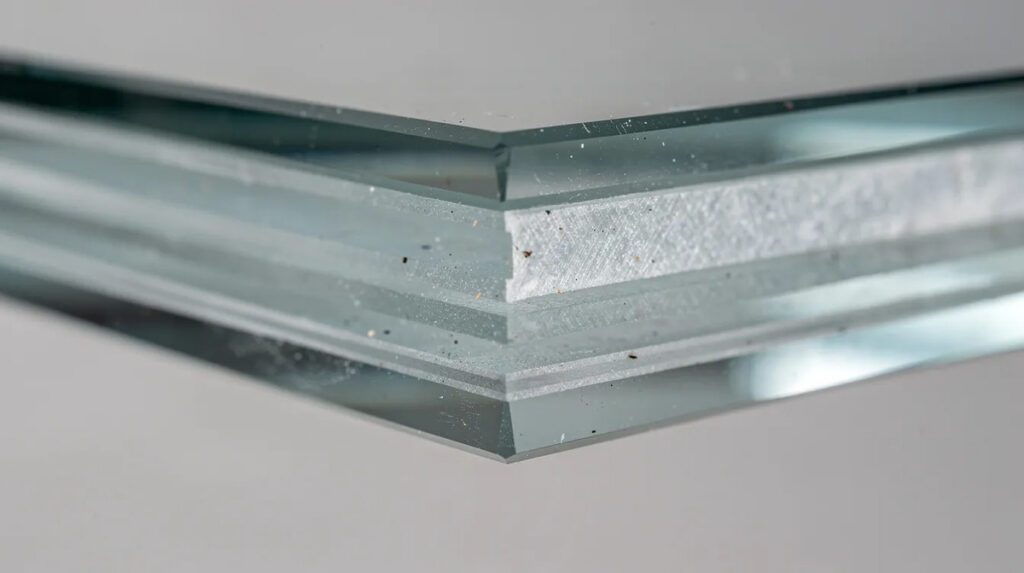
Polycarbonate and hybrid glazing take performance further. Polycarbonate panels are 250 times stronger than standard glass, offering excellent protection in a lightweight layer. Hybrid constructions pair glass with polycarbonate and structural interlayers to achieve forced entry or bullet-resistant ratings without the extreme thickness of traditional bank glass. For reference, an 8 mm Hammerglass panel equals 24 mm armoured glass in strength, and Hammerglass is certified as Security Class P8B for high protection. P8B certified glass withstands up to 70 axe strikes, and shatter-resistant glass can withstand 70 axe strokes without breaking.
Frame and anchoring are equally critical. Reinforced frames prevent windows from being pried out, and multi-point locking systems increase resistance to forced entry. Security-rated hardware improves resistance to common break-in methods. Certified performance should be tested for the entire window assembly, not just the glazing panel in isolation.
Secondary benefits include noise reduction from multi-layer construction (up to 50% sound reduction with some retrofit systems) and energy efficiency gains when low-E coatings and insulating air gaps are integrated. Impact Security’s DefenseLite system, for example, improves insulation by approximately 2.5 times and blocks 99% of UV light.
Intrusion Resistant Windows vs. Other Security Glazing Options
Buyers often confuse intrusion resistant windows with other security glazing categories. Here is how they compare:
- Forced entry glazing is engineered to delay tool attacks (hammers, pry bars, axes). Security glass in this category can delay entry for over 12 minutes under sustained assault.
- Bullet-resistant glazing is rated under UL 752 for firearm threats across a range of calibers but may not perform well against repeated blunt force.
- Blast-resistant glazing handles overpressure from explosions, typically specified for government and critical infrastructure.
- Hurricane impact-resistant windows are tested for windborne debris and cyclic pressure. Impact-rated windows provide resistance to forced entry and storm protection, but they are not automatically rated for tool assault or ballistic threats, and they follow different testing regimes than GSA/ISC blast-resistant performance standards.
Claims of unbreakable or “bombproof” windows are misleading. The realistic performance goal is keeping attackers out for 5 to 15-plus minutes, controlling glass fragmentation, and buying time for response. Shatter-resistant glass is suitable for residential and commercial use, but specifiers should start with a threat assessment to determine whether they need forced entry only, forced entry plus ballistic protection, or full blast mitigation.
Best Applications: Where Intrusion Resistant Windows Make the Biggest Difference
Intrusion resistant glazing delivers the most value where glass is the most vulnerable path of entry, especially at ground level and public-facing façades.
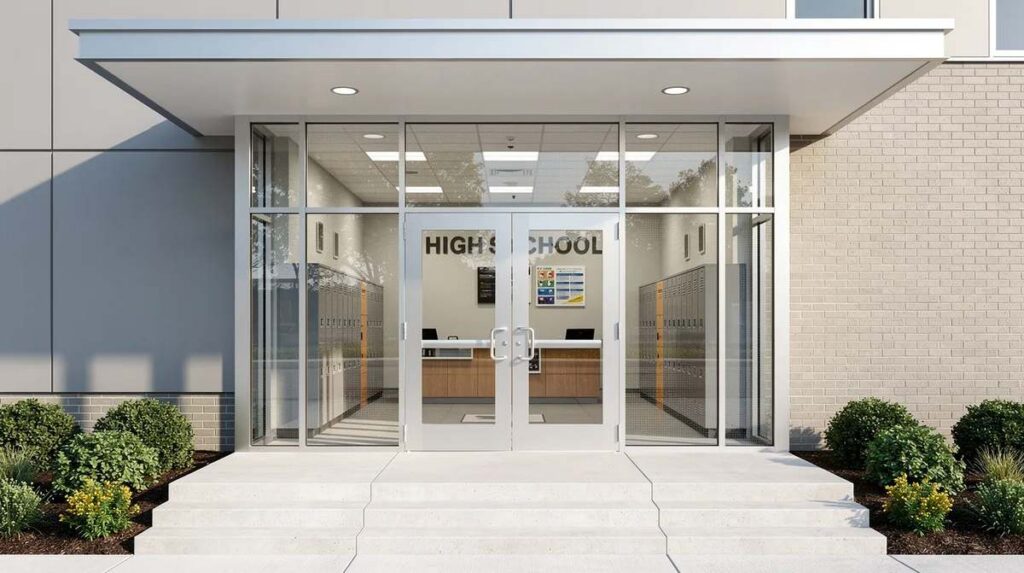
- Schools and universities: Secure vestibules and classroom sidelites to slow active shooters and protect children from flying glass, with security glazing for schools providing added protection at vulnerable openings.
- Retail chains and pharmacies: Shield storefronts and display windows against overnight break ins and daytime flash-mob attacks.
- Financial institutions and jewelry stores: Combine forced entry and bullet resistant glazing at teller lines and lobbies.
- Hospitals and behavioral health facilities: Secure emergency entrances while maintaining clear visibility for patient care.
- Office buildings and corporate campuses: Increase security at lobbies and ground-floor curtain walls without creating a fortress appearance.
- Government and critical infrastructure: Courthouses, police stations, and utility control centers requiring multi-threat ballistic protection.
Intrusion resistant retrofit systems are especially valuable for existing building stock from the 1970s through 2010s where large glass areas were not designed for today’s threat climate. In new construction, architects can specify burglar proof window and door solutions with intrusion resistant and bullet resistant security glazing from the outset, integrating performance, aesthetics, noise reduction, and energy savings into one system.
Retrofit vs. Replacement: How Intrusion Resistant Window Upgrades Actually Happen
Full window replacement is expensive and disruptive. Modern retrofit security glazing can be mounted over existing windows and doors with minimal downtime. Anti-intrusion glass can be installed into existing frames, and solutions like the Hammerglass ADD-ON system reinforce existing wooden frames while the Hammerglass SINGLE can replace outer panes in existing sashes; similarly, forced entry security glazing for doors and windows uses retrofit shields to harden vulnerable openings without full replacement.
Impact Security’s typical retrofit process:
- Site assessment: A specialist documents existing glass types, frame condition, and critical openings.
- Engineering and design: Selection of DefenseLite or BulletShield systems with calculated spans, attachment points, and target performance ratings.
- Fabrication: Custom panels manufactured at Impact Security facilities in Marietta, GA or Glendale, AZ.
- Installation: Trained crews mount the security glazing over existing glass, typically from the exterior, often outside business hours.
Professionally installed security film can enhance the strength of existing glass in lower-threat scenarios, but installation quality affects the performance of windows against forced entry. For maximum protection, a dedicated shield system such as DefenseLite retrofit overglaze security outperforms film alone. Full replacement makes sense during major façade renovation or when frames are structurally damaged, but retrofit delivers faster results at lower cost and preserves interior finishes. Added features include optional tints, low-E coatings for energy efficiency, acoustic benefits, and potentially stronger insurance and risk-management positioning.
What to Consider When Choosing Intrusion Resistant Windows
Not all security glass is equal. Evaluate these factors before selecting a system:
- Threat profile: Determine whether you need burglary prevention, riot protection, active shooter mitigation retrofits, or school security glazing for educational facilities. Your target threat shapes every specification.
- Performance ratings: Demand documented testing reports (UL 972, ASTM F3561, UL 752) rather than vague shatterproof glass marketing language.
- Retrofit compatibility: Confirm whether your existing frames and property structure can accept retrofit panels or need reinforcement.
- Aesthetics: Modern systems maintain clear sightlines without bars or grilles, keeping your building welcoming.
- Energy and comfort: Low-E coatings, insulating air gaps, and noise reduction features can deliver measurable energy savings alongside security.
- Budget and phasing: In many cases, phased deployment starting with the most vulnerable doors and storefronts is the smartest approach.
Common mistakes to avoid: relying solely on window film for high-threat scenarios where attackers use heavy force, assuming hurricane impact glass provides adequate forced entry or ballistic protection, and selecting resistant glass without considering frame strength. Work with experienced safety and security glass solution providers who coordinate with security consultants and insurance carriers.
Why Choose Impact Security for Intrusion Resistant Window Upgrades
Impact Security is a U.S.-based specialist focused exclusively on security glazing and intrusion resistant systems. Since 2016, Impact Security, LLC has delivered turnkey solutions across schools, government facilities, hospitals, banks, and national retail chains.
- Proven systems: DefenseLite for forced entry and riot resistance, BulletShield for bullet resistant retrofits rated to UL 752 levels 1–8, and SafeSuite for integrated safe rooms and interior protection.
- Turnkey delivery: In-house design, engineering, fabrication, and installation through certified dealers nationwide.
- Independent testing: Lab-verified forced entry, blunt impact, and ballistic performance that you can verify before purchase.
- Practical results: Rapid retrofit with minimal disruption, preservation of building aesthetics, and secondary gains in noise reduction and energy efficiency.
Request a free security glazing assessment and estimate. Share your floor plans or elevations so Impact Security can recommend the right intrusion-resistant window strategy for your specific risks and budget. Peace of mind starts with a conversation.
FAQs About Intrusion-Resistant Windows
Are intrusion-resistant windows the same as bullet-resistant windows? No. Intrusion-resistant windows are designed to delay forced entry from tools and blunt force. Bullet-resistant systems are rated under UL 752 specifically for firearm threats. Some systems, like Impact Security’s BulletShield, combine both capabilities, but you need to verify each rating separately.
Can I retrofit my existing storefront glass? In many cases, yes. Retrofit shields like DefenseLite install over existing glass and frames without full replacement. If frames are severely corroded or structurally compromised, reinforcement or replacement of the frame may be required.
How long can intrusion-resistant glazing keep an intruder out? Performance varies by construction and thickness. Shatter-resistant glass can delay forced entry for several minutes, and advanced security glass can delay entry for over 12 minutes under sustained tool assault. The key is matching delay time to your expected law enforcement response.
Will security glazing make my building look like a bunker? Modern intrusion resistant windows use optically clear polycarbonate or laminated glass with slim-profile frames that are typically invisible to casual observers. The goal is to secure your building without sacrificing natural daylight or architectural shape.
Does intrusion resistant glass help with storms? Multi-layer glazing can provide secondary storm debris resistance, but code-driven hurricane impact systems follow a different testing regime. Impact-rated windows cover both forced entry and storm protection in some configurations, though you should confirm specific certifications.
What maintenance do these systems require? Clean polycarbonate shields with non-abrasive materials, inspect anchors and frames periodically, and check for UV degradation. Impact Security offers warranties ranging from 2 to 15 years depending on the system installed.