Introduction: Why Security Door Glazing Matters in 2026
Security door glazing is the engineered glass or glass-composite system installed in commercial and institutional doors to resist threats ranging from accidental human impact to forced entry and ballistic attack. Unlike traditional glass, which shatters into dangerous shards on impact, modern security glazing is designed to protect people, delay intruders, and preserve a barrier even after breakage.
The challenge in 2026 is balancing protection with the natural light, clear visibility, and aesthetic appeal that occupants expect in schools, government buildings, healthcare facilities, retail stores, and corporate offices. Property owners and architects increasingly need safety glazing and bullet resistant glazing solutions that harden doors without turning lobbies into windowless bunkers. This article covers the main types of security door glazing-laminated glass, tempered glass, and bullet resistant glass-how they work in doors, and how Impact Security’s retrofit approach lets you upgrade existing glazing without full door replacement.
Table of Contents
Security Door Glazing Basics: From Standard Glass to Safety Glazing
Types of Security Door Glazing: Safety, Laminated, and Bullet Resistant Options
How Security Door Glazing Protects People While Preserving Natural Light
Retrofit Security Door Glazing: Impact Security’s Approach
Key Considerations When Choosing Security Door Glazing
FAQs About Security Door Glazing
Why Choose Impact Security for Security Door Glazing
Next Steps: Talk to Impact Security About Your Door Glazing
Security Door Glazing Basics: From Standard Glass to Safety Glazing
Standard glass-basic annealed float glass-is the weakest link in most commercial doors. When it fails, it produces large, jagged shards that cause serious lacerations and offers zero resistance to anyone trying to gain access. In a security context, standard glass is essentially an open invitation.
Safety glazing refers to glass products engineered to reduce injury risk when glass breaks. This category includes tempered glass, laminated glass, and various resistant glass composites. Tempered glass is four times stronger than standard glass of the same size and thickness, and when it does break, it crumbles into small cubes rather than dangerous shards. Safety glazing materials comply with ANSI Z97.1 safety standards, and CPSC 16 CFR 1201 addresses safety of architectural glass in architectural applications. SGCC certification ensures compliance with safety glazing standards across manufacturers.
Under the International Building Code (IBC Section 2406), building code requirements require safety glazing in high-risk environments such as glass doors, sidelites, wet areas, staircases, and areas near walking surfaces. Schools, daycare centers, and healthcare facilities all require safety glazing around doors and floor-level glass panes.
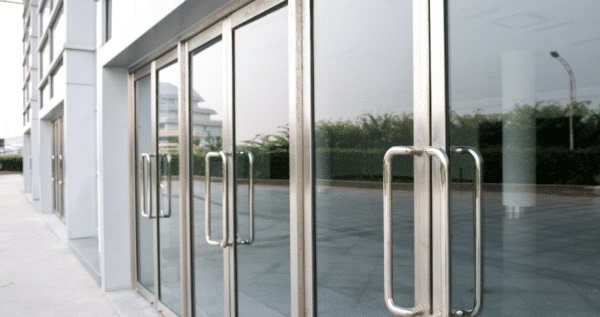
Consider two real-world scenarios: at a retail storefront, a tempered safety glass door hit during a smash-and-grab shatters into safe cubes but offers no ongoing barrier. At a healthcare facility entrance, that same tempered panel prevents severe laceration injuries if a patient falls into the door. Safety glazing materials reduce injury risks from breakage, but they do not automatically provide forced entry resistance or ballistic protection-those require separate, tested systems.
Types of Security Door Glazing: Safety, Laminated, and Bullet Resistant Options
Security glazing options vary depending on protection levels required. Door glass can be tuned to specific threats-human impact, vandalism, forced entry, or ballistic attack. Here is how the main categories compare.
Tempered safety glass serves as basic safety glass for interior doors and exterior entries. It meets code requirements for safety glazing and breaks into small granules instead of shards. However, once broken, tempered glass leaves an open hole. It cannot withstand impact from tools or firearms, making it insufficient as security glass in high-risk environments, and many facilities ultimately look to alternatives to tempered glass for better security.
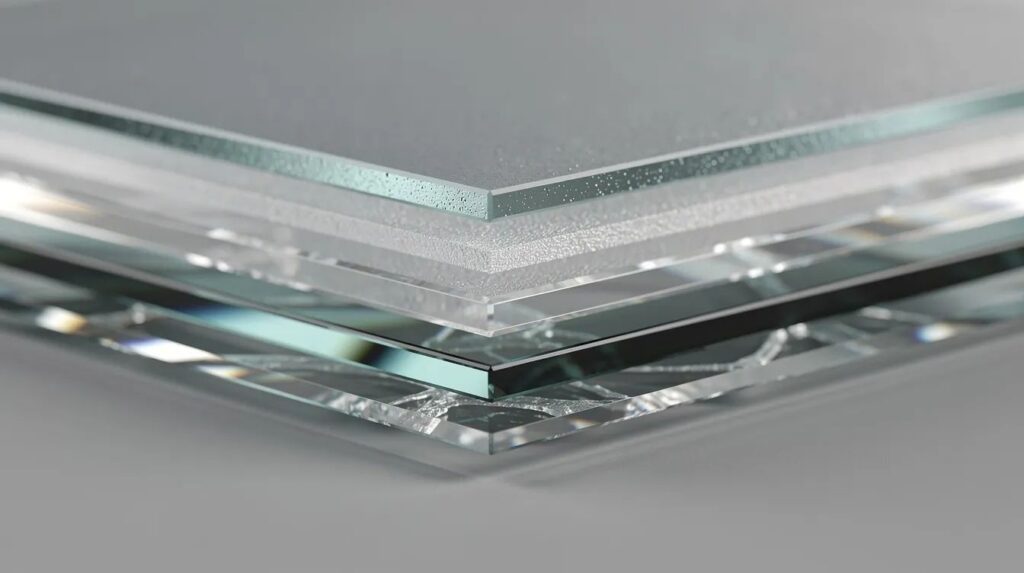
Laminated glass bonds two or more glass lites with special interlayers (PVB, SGP, or ionoplast) that enhance glass strength. When struck, laminated glass holds fragments together upon breakage-smash-resistant glass cracks like a spiderweb when struck rather than collapsing. Laminated glass in security doors prevents sharp glass shards upon breakage, and the interlayer maintains a physical barrier that slows intruders. Laminated security glass offers a balance of security, visibility, and appearance, making it a common choice for high-traffic entries, behavioral health facilities, and hurricane-prone regions. Laminate film versions exist for lighter applications, though full laminated construction delivers greater durability.
Vandal-resistant and forced-entry resistant glazing combines tempered glass, laminated layers, and polycarbonate or other plastic materials into panels that resist sustained attack. Vandal-resistant glass withstands attacks from tools like axes, crowbars, and hammers. Forced-entry resistant glazing is tested against tools and blunt force through rigorous testing standards like ASTM F3561. Impact-resistant glass withstands heavy impacts and resists breaking, giving law enforcement critical response time. Polycarbonate glazing is highly impact-resistant and lightweight, often used as a shield layer over existing glazing in forced-entry-resistant doors and windows.
Bullet-resistant glazing uses multiple layers of glass and polycarbonate laminated together to stop projectiles. Ballistic resistant glazing absorbs energy from projectiles, preventing penetration to the protected side. Under UL 752, threat levels range from Level 1 (9mm handgun) upward-Level 3 bullet-resistant glass withstands three shots of a .44 magnum, and bullet-resistant glass can stop three .44 magnum bullets at 1,350 FPS. The term “bullet-resistant” is more accurate than “bulletproof” because no glazing is invulnerable; ballistic glass must be matched to a specific threat profile for maximum protection, comparing bulletproof glass options and ballistic resistance levels to your actual risk. Ballistic protection in doors is common at police stations, financial institutions, and government buildings.
A few important notes: fire-rated security glazing maintains visibility while ensuring fire resistance, but combining ballistic and fire ratings requires project-specific engineering. Specialized security glazing can withstand hurricane-force winds and blasts for exterior applications. Riot control glass is not regulated by any overseeing body like UL, so specifiers should verify performance requirements through independent testing.
How Security Door Glazing Protects People While Preserving Natural Light
Eliminating glazing from security doors may seem like the safest option, but removing windows and glass doors from corridors, vestibules, and entries creates blind spots that actually reduce safety. Glazing in security doors provides natural light without compromising safety, and glazed security doors improve building surveillance and occupant safety by maintaining sightlines.
Visibility and situational awareness. Clear sightlines from glazed doors help to identify potential threats before they escalate. In police stations, courthouses, and financial institutions, reception staff need to see who is approaching without being exposed. Glass security doors enhance visibility while providing security features that keep the barrier intact. Frosted or tinted glass options help maintain privacy without sacrificing light in sensitive interior spaces.
Natural light and wellness. Daylight in corridors and entries reduces anxiety and improves occupant wellbeing-especially in education and healthcare. K–12 schools and university campuses regularly upgrade door glass to protective systems while keeping open, daylit corridors. Security door glazing is engineered to resist forced entry and ballistic threats while preserving the energy efficiency and daylighting benefits that architects design into modern buildings.
Performance during incidents. Security glazing enhances safety by delaying intruders and preventing shattering. During a forced entry attempt, laminated or polycarbonate-based door glazing keeps an attacker outside long enough for lockdown or law-enforcement response. Security glazing can effectively delay unauthorized entry during break-ins, buying minutes that save lives. Glass security doors are engineered to withstand blunt force impacts from repeated strikes, especially when upgraded with DefenseLite impact-resistant overglaze security systems. In ballistic scenarios, bullet resistant glass in doors and transaction windows captures projectiles, protecting people on the secure side. During riots and vandalism, properly rated panels survive thrown objects without catastrophic failure. Laminated glass prevents sharp shards when broken, enhancing safety for everyone nearby.
Some laminated and security glazing assemblies also improve sound control and thermal performance-a welcome side benefit for street-facing entries in busy urban environments.
Retrofit Security Door Glazing: Impact Security’s Approach
Many buildings already have glass doors and existing windows that meet basic safety requirements but fall short against modern threats. Impact Security focuses on retrofit glazing systems that mount over existing door glass and existing glazing rather than requiring full replacement-saving on demolition, downtime, and construction costs.
DefenseLite forced-entry shields use clear polycarbonate panels installed on standoff framing over door leaves and sidelites. The vented design protects original glass panes, prevents condensation, and eliminates the need for emergency board-ups after attempted break-ins. DefenseLite Pro advanced impact security glazing achieves ASTM F3561 Level 8 forced-entry resistance, stopping attackers with tools for extended periods.
BulletShield ballistic retrofit glazing provides bullet resistant security glazing panels custom-fabricated to UL 752 threat levels and mounted on the secure side of existing door glass. Systems are tested as full assemblies-glass, framing, and anchorage engineered to handle ballistic impact stress. This approach works for entry vestibules in government buildings, schools, banks, and hospitals without requiring new construction.
Impact Security designs, manufactures, and coordinates installation through certified dealers across the United States, with fabrication centers in Marietta, GA and Glendale, AZ, reflecting its role as a specialized retrofit security glazing manufacturer. Use cases span verticals:
- Schools and universities: retrofitting existing glazed doors in older buildings instead of full replacement
- Retail and hospitality: protecting glass entry doors, security revolving doors, and revolving doors at hotels, pharmacies, and jewelry stores with advanced retail security glazing for loss prevention
- Healthcare and government: securing staff entrances, triage doors, mantrap portals, and public lobbies
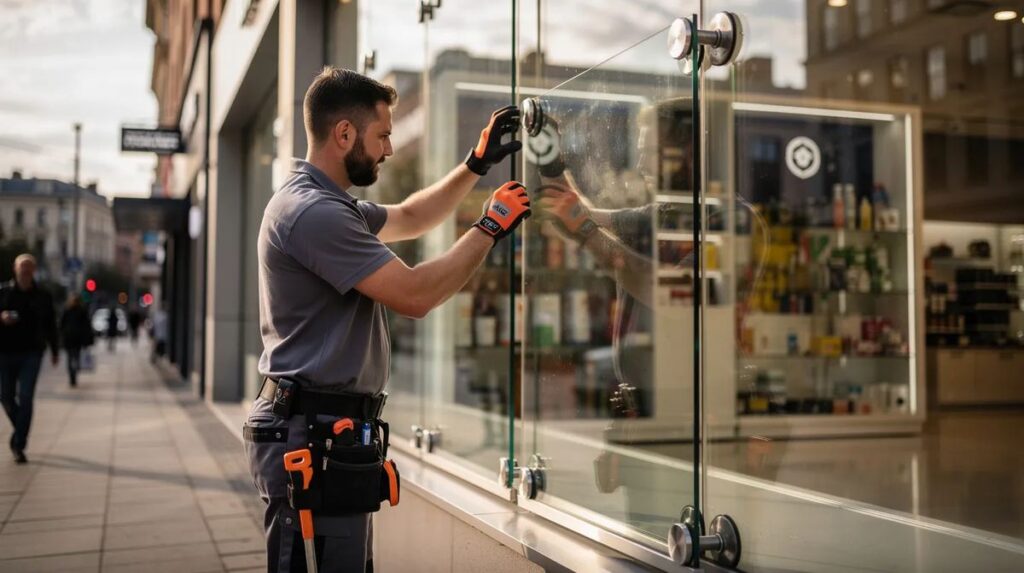
The process starts with a free assessment-site visit or remote evaluation of existing door glazing, threat level, budget, and operational needs-followed by a recommendation of the appropriate security door glazing level with clear trade-offs explained, such as when DefenseLite outperforms security glass film for forced-entry protection.
Key Considerations When Choosing Security Door Glazing
Many property owners jump straight to “bulletproof glass,” but the right decision balances threat profile, budget, code, and daily operations.
- Threat profile: Differentiate between common threats (smash-and-grab, vandalism, accidental human impact) and high-consequence threats (active shooter). Laminated and forced-entry-resistant glazing address the first category; bullet-resistant glazing addresses the second. Match the protection level to your actual risk.
- Building type and occupancy: Schools, government buildings, hospitals, police stations, and retail chains each have different glazing priorities and performance requirements. Some government bids and school security grants reference specific ballistic or forced-entry safety standards.
- Door hardware and framing: The best resistant glass fails if the frame or anchoring cannot withstand impact. Work with manufacturers that engineer the full system-glass, framing, and attachment-rather than mixing components. This applies equally to interior doors and exterior entries.
- Code compliance: Safety glazing must be properly labeled where required by the international building code. Ballistic or forced-entry ratings are separate from basic safety glass code requirements and should be verified through independent testing reports. Performance requirements differ between new construction and retrofit projects.
- Budget and maintenance: Cost tiers range from tempered safety glass through laminated, forced-entry, and bullet resistant glazing. Retrofit solutions often save substantially on demolition and downtime. Polycarbonate panels need scratch-resistant coatings and specific cleaning procedures-set expectations with facility staff early.
FAQs About Security Door Glazing
Is bullet resistant glass the same as safety glass in my doors? No. Safety glazing meets building code requirements for reducing injury from broken glass. Bullet resistant glass is a separate, higher-rated product tested to UL 752 for stopping specific firearm threats. A door can have safety glazing without being bullet resistant.
Can I retrofit my existing glass doors, or do I need to replace them? In most cases, retrofit shields like DefenseLite or BulletShield can be installed over your existing windows and door glass without full replacement. Full replacement is typically only necessary when the door frame or hardware cannot support the added materials.
What level of bullet resistant glazing do I need for a school or government building? It depends on the threat assessment. UL 752 Level 1 covers common handgun rounds, while Level 3 handles .44 Magnum. A specialist should evaluate your facility’s risk profile, as there is a wide range of options between basic ballistic glass and maximum protection configurations.
Will security door glazing make my lobby look like a bunker? Modern security glazing systems are virtually invisible. Clear panels preserve natural light and aesthetic appeal-most building occupants and visitors never notice the difference from unprotected glass.
How long does it take to install retrofit security glazing on existing doors? A single-facility project typically takes days, not weeks, once panels are fabricated. Multi-site rollouts for retail chains or school districts are coordinated through Impact Security’s certified installer network on a phased schedule.
Does security glazing also provide blast or storm protection? Specialized security glazing can withstand hurricane-force winds and blasts, but blast-resistant and ballistic systems are engineered and tested differently. Specify the exact threat when requesting an assessment.
Why Choose Impact Security for Security Door Glazing
Impact Security is a U.S.-based manufacturer focused exclusively on retrofit security glazing for doors, windows, and storefronts. Since 2016, core product families-DefenseLite for forced-entry protection and BulletShield for ballistic protection-have been installed on thousands of doors nationwide, serving schools, government buildings, hospitals, financial institutions, and national retail chains.
Every project is a turnkey, engineered solution: assessment, fabrication, and installation through certified installers, with U.S. fabrication centers in Marietta, Georgia and Glendale, Arizona ensuring consistent quality and fast lead times. Impact Security coordinates with architects, security consultants, and general contractors on complex projects. Solutions preserve natural light, clear visibility, and welcoming aesthetics-hardening doors against threats while remaining virtually invisible to occupants.
Next Steps: Talk to Impact Security About Your Door Glazing
Don’t wait for an incident to expose a vulnerability in your door glazing. Stronger door glass, better protection for people, and preserved daylight are achievable today using retrofit security glazing rather than disruptive full replacements.
Request a free, no-obligation assessment for your facility using the DefenseLite contact form for project inquiries. Share floor plans or photos to start the conversation, and Impact Security’s certified dealer and installer network will support you-remotely or on-site-anywhere in the United States. The right security door glazing strategy makes your building safer, more resilient, and ready for whatever comes next.